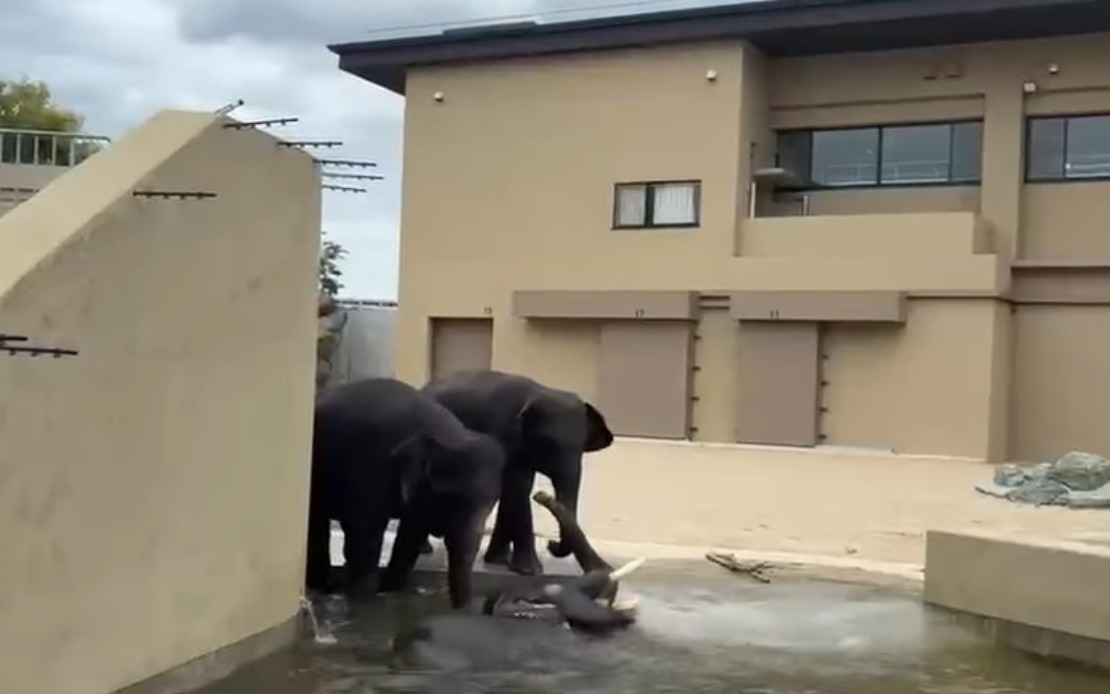
Three Malaysian elephants housed at Tennoji Zoo in Osaka, Japan, are demonstrating encouraging signs of wellbeing with notable improvements in their physical condition, according to the latest assessments from the facility. Dara, Amoi and Kelat, all female, have each recorded measurable weight gains since their relocation, with Kelat showing particularly strong progress at 260 kilogrammes above her previous baseline. The other two elephants have similarly gained weight, with Dara adding 35 kilogrammes and Amoi 30 kilogrammes respectively, indicating their successful adaptation to their new environment and care protocols.
The Taiping Municipal Council (MPT), which oversees the animals' welfare arrangement, shared these details through its president Mohamed Akmal Dahalan in a statement addressing ongoing public interest in the programme. The weight gains represent one measurable indicator among several health metrics that facility staff and veterinary professionals monitor regularly. Beyond the numerical improvements, the elephants remain active and maintain their overall health status, which reflects the comprehensive care system established at the Japanese facility.
Nutrition forms the foundation of the elephants' care regimen, with the Tennoji Zoo team carefully formulating a balanced diet that meets the specific nutritional demands of Asian elephants. The animals consume diverse fibre sources as the primary component of their meals, with hay varieties serving as the staple. This is supplemented by seasonal vegetation including fresh bamboo shoots and locally sourced fresh grass, alongside cabbage and specially manufactured pellets developed specifically for elephant dietary requirements. The preparation and monitoring of these meals occurs under the supervision of qualified veterinary officers who ensure consistency and quality across all feedings.
The arrangement housing the three elephants stems from a formal international cooperation agreement signed between Tennoji Zoo and Zoo Taiping & Night Safari, the Malaysian facility from which the elephants originated. The partnership was established through two separate signing ceremonies held on May 19, 2022, and October 6, 2022, creating a framework for collaboration extending across 25 years. This long-term commitment reflects both institutions' dedication to elephant welfare and represents a significant component of regional wildlife conservation efforts and cross-border cooperation in zoological management.
MPT continues to maintain active oversight of the programme in coordination with the Department of Wildlife and National Parks (Perhilitan) Peninsular Malaysia, ensuring that standards for health, welfare and management remain consistently high. This collaborative monitoring structure involves regular communication between Japanese facility staff, Malaysian authorities and representatives of Zoo Taiping, creating multiple layers of accountability and professional assessment. The arrangement demonstrates Malaysia's commitment to ensuring that animals transferred under international agreements receive appropriate care regardless of geographic distance.
Official statements emphasize MPT's openness to scrutiny and transparency regarding the elephant programme. The council has indicated its willingness to cooperate fully with any relevant authorities conducting reviews, investigations or information requests related to the initiative. This stance reflects broader recognition that international wildlife programmes function most effectively when subject to proper oversight and when information flows freely between stakeholders. The transparency commitment extends beyond administrative compliance, representing a substantive commitment to accountability in how Malaysian institutions manage their international obligations.
The council acknowledged the legitimate interest Malaysian citizens and the broader public maintain regarding the elephants' circumstances. However, officials stressed that discussions and concerns about the animals' welfare should be grounded in verified information and professional assessment rather than speculation or unverified claims. This distinction matters significantly because claims unsupported by factual evidence can inadvertently undermine confidence in legitimate wildlife conservation efforts and potentially damage international relationships that enable such programmes to function.
The broader context of this arrangement reflects Malaysia's engagement with international best practices in wildlife management. Long-term, structured agreements between major zoological facilities allow institutions to share expertise, genetic diversity management strategies and resources that benefit captive animal populations globally. By participating in such arrangements, Malaysia positions itself alongside other nations committed to evidence-based animal care and professional standards in zoological settings. The Tennoji Zoo arrangement thus represents more than a bilateral transaction; it exemplifies the interconnected nature of modern wildlife conservation efforts.
For Malaysian observers monitoring this programme, the reported health outcomes offer concrete evidence that the transfer arrangement is functioning as intended. The weight gains documented across all three elephants provide objective, measurable indicators that differ from subjective assessments of welfare. Regular updates from the facility, filtered through Malaysian authorities, enable the public and oversight bodies to track the elephants' progress and ensure the arrangement continues meeting its objectives. This documentation approach helps maintain public confidence while demonstrating the value of structured international cooperation in animal care.

