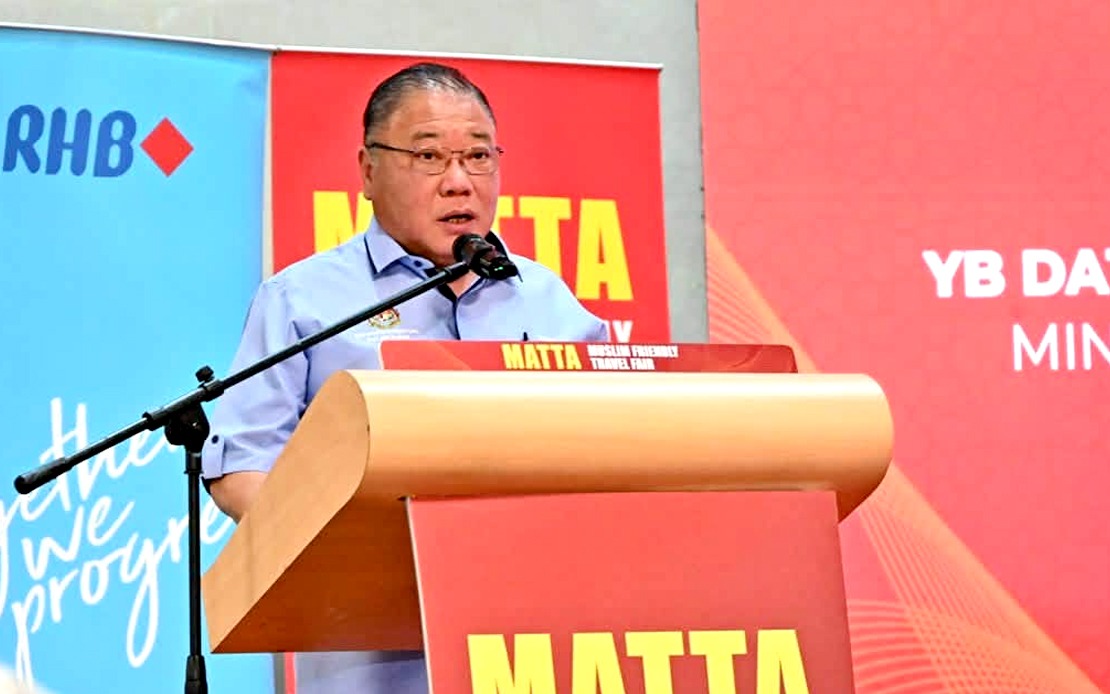
The Malaysian government is moving to establish a floor price mechanism for umrah packages alongside mandatory service standards, marking a significant intervention in the religious travel sector. Tourism, Arts and Culture Minister Datuk Seri Tiong King Sing outlined the initiative during his address at the Malaysian Association of Tour and Travel Agents (MATTA) Muslim Friendly Travel Fair 2026 in Kuala Lumpur on July 4, signalling heightened regulatory focus on protecting Islamic pilgrims from exploitative market practices.
The proposed framework addresses a persistent problem where tour operators undercut competitors through unsustainably low pricing, often at the expense of basic service quality. Tiong emphasised that operators would be required to maintain minimum package prices while transparently listing all included services, preventing the bait-and-switch tactics that have left some pilgrims stranded or unable to complete their religious obligations. The government's concern stems from documented cases where pilgrims have found themselves unable to return home or fulfil their intended worship due to inadequate arrangements resulting from penny-pinching operators.
Under the envisioned structure, tour operators will retain flexibility to segment their offerings into tiered categories such as Premium, Gold, Silver, and Platinum packages, allowing market differentiation based on amenities and experience levels. However, each tier will be constrained by sector-wide minimum pricing standards established in coordination with multiple government agencies. This approach balances consumer choice with consumer protection, a critical consideration given the vulnerable position many pilgrims occupy when purchasing spiritual journey services.
The initiative emerged from collaborative discussions between the Tourism Ministry, Tabung Haji (Malaysia's pilgrimage fund), and the Religious Affairs division within the Prime Minister's Department. This multi-agency coordination reflects recognition that umrah travel policy extends beyond tourism economics into religious affairs and public welfare domains. Tiong stressed to his ministry's secretary general the urgency of establishing clear regulatory boundaries, noting that the sector requires immediate attention to prevent continued deterioration in service standards.
For Malaysian pilgrims, who constitute a significant portion of Southeast Asia's umrah travellers, this regulation carries particular weight. The umrah market in Malaysia has grown substantially, with middle and working-class Malaysians increasingly undertaking the voluntary Islamic pilgrimage. Many rely on affordable packages promoted aggressively online and through community networks, making them susceptible to false economy offerings that appear attractive initially but deliver substandard experiences. The government's intervention addresses this information asymmetry where pilgrims lack expertise to evaluate quality relative to price.
Beyond domestic protection, Malaysia faces intensifying competition in Muslim-friendly tourism from regional and global competitors. Tiong highlighted how Macau has significantly expanded its halal dining infrastructure, Muslim-friendly hotel accommodations, airport prayer facilities, and dedicated Muslim visitor information services. This competitive pressure from unexpected quarters—a gambling hub modernising its Islamic tourism offerings—underscores how rapidly the Muslim-friendly tourism landscape is evolving across Asia and beyond.
Malaysia's historical positioning as a leading Muslim-friendly destination is under challenge as other nations recognise the commercial potential of catering to the world's 1.8 billion Muslims and their specific travel requirements. The umrah market alone represents billions in annual spending, with Malaysian operators competing against established players in Indonesia, Singapore, and increasingly in non-traditional destinations upgrading their Muslim hospitality infrastructure. Without quality assurance mechanisms, Malaysia risks reputational damage that could erode its competitive advantages.
The minimum pricing mechanism also serves broader industry interests by preventing ruinous competition that marginalises responsible operators. Tour companies investing in genuine service quality, proper training, transparent dealings, and contingency planning cannot compete with operators offering unrealistic pricing. By establishing a pricing floor linked to service standards, the government effectively raises competitive barriers against unscrupulous operators while protecting legitimate businesses from unsustainable price wars. This regulatory approach encourages industry consolidation around quality providers.
Tabung Haji's involvement in developing these standards is particularly significant, as the fund manages savings and investments for millions of Malaysian Muslims planning pilgrimage. Its role as a quasi-official intermediary provides it access to pilgrim feedback, complaint data, and performance metrics that inform realistic pricing standards. The fund's participation also signals government commitment to consumer protection for a financially vulnerable demographic—typically lower to middle-income Malaysians saving specifically for umrah—who deserve safeguards against predatory pricing.
Implementation will require clear regulatory pathways, potentially through amendments to existing tourism legislation or creation of new regulatory frameworks under religious affairs jurisdiction. Tiong indicated that specific minimum prices and service schedules would be developed through continued stakeholder consultation, suggesting a phased rollout rather than immediate mandate. The government will need to balance operator concerns about profit margins against pilgrim protection imperatives, a delicate negotiation requiring sector buy-in.
Broader implications extend to Southeast Asian pilgrimage tourism generally. Indonesia, which processes far larger numbers of umrah pilgrims annually, may face pressure to implement comparable standards, potentially triggering regional convergence around minimum service requirements. Malaysia could position itself as a quality premium destination if execution succeeds, capturing pilgrims willing to pay more for assured standards rather than competing on price in a race to the bottom.
The initiative also reflects evolving government thinking about tourism regulation beyond mere marketing and infrastructure development. Rather than simply promoting Malaysia's Muslim-friendly credentials, the government is intervening directly in market operations to protect citizens and maintain sector integrity. This represents a more sophisticated understanding of how tourism markets can fail consumers without regulatory guardrails, particularly in niche markets serving vulnerable populations with high emotional investment in their purchases.
Looking forward, the success of this framework will depend on enforcement mechanisms, dispute resolution procedures, and industry compliance rates. Clear penalties for violating minimum pricing or misrepresenting services are essential, as are accessible complaint channels for pilgrims. The tourism ministry will need adequate monitoring capacity to prevent operators from circumventing rules through contractual obfuscation or hidden charges. If properly executed, however, this intervention could become a model for protecting consumers in other faith-based tourism segments.

