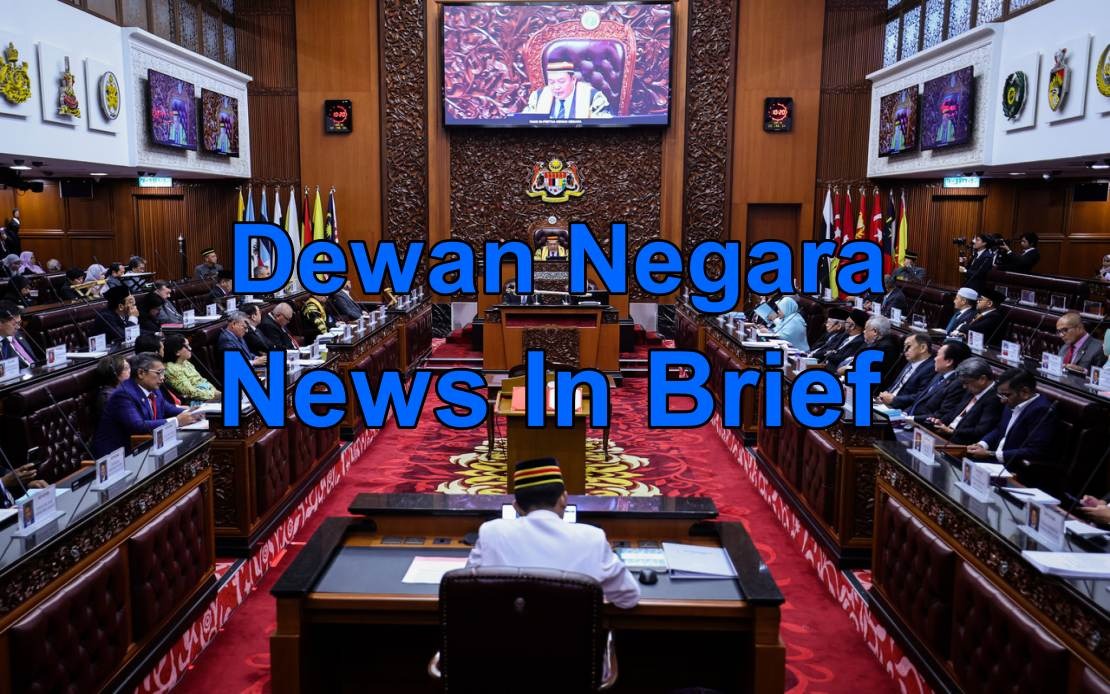
Malaysia has deployed an extensive cloud seeding programme to combat the effects of El Nino and protect the nation's water security, with authorities confirming that 35 separate operations were conducted across key locations between February and June this year. The initiative reflects growing governmental concern about prolonged dry spells and their cascading impact on critical infrastructure, particularly dams and reservoirs that sustain millions of Malaysians. Deputy Natural Resources and Environmental Sustainability Ministry Syed Ibrahim Syed Noh outlined the strategic importance of the programme during parliamentary Question Time, emphasising that the operations were designed to boost rainfall and stabilise water levels when natural precipitation fails.
The cloud seeding operations represent a coordinated effort involving multiple government agencies tasked with managing climate-related vulnerabilities. The National Disaster Management Agency and Royal Malaysian Air Force work together on implementation, though success depends on suitable atmospheric conditions that allow the seeding compounds to take effect. This collaborative approach demonstrates how Malaysia is integrating weather modification technology into its broader disaster management and resource protection framework. The timing of these operations—concentrated during the period when El Nino typically intensifies—shows strategic planning to pre-empt rather than merely respond to water shortages. For Malaysian businesses and households reliant on consistent water supply, particularly in urban areas and agricultural regions, the effectiveness of such measures carries immediate practical significance.
Beyond water security, the cloud seeding efforts address secondary consequences of prolonged heat and drought. Haze episodes, which have repeatedly disrupted air quality across Southeast Asia, are often exacerbated by dry conditions that allow smoke and particulates to accumulate in the atmosphere. By promoting rainfall, the operations help suppress these pollution events. The deputy minister's statement to the Dewan Negara reflected the government's acknowledgment that El Nino pressures could persist into early 2027, meaning such mitigation strategies will likely remain necessary for the foreseeable future. This long-term outlook underscores the reality that climate variability is reshaping how Malaysia must manage its natural resources.
On the domestic employment front, Malaysia's Progressive Wage Policy has delivered measurable gains for lower-income workers, with entry-level employees experiencing a median wage increase of 15.79 per cent since implementation began. Economy Minister Akmal Nasrullah Mohd Nasir told parliament that the policy has benefited 51,363 workers, pushing median entry-level wages from RM1,900 to RM2,200 monthly—a concrete improvement in purchasing power for vulnerable segments of the workforce. The expansion beyond initial targets demonstrates both the programme's success and the receptiveness of employers to structured wage frameworks that balance worker welfare with business viability.
The PWP's architecture involves 4,025 participating employers across multiple sectors, supported by a government allocation of RM300 million spanning 2025 to 2027. This financial commitment signals sustained policy backing and suggests the government intends to move beyond pilot-stage experimentation. Workers earning above entry-level positions also gained, with median wages climbing 10.86 per cent from RM2,199.15 to RM2,438—demonstrating that the policy's benefits diffused across the wage spectrum rather than concentrating at one level. For Malaysian workers, particularly in sectors like retail, hospitality and manufacturing where entry-level positions dominate, such increases provide meaningful relief against inflation and rising cost of living. The government's preparation of a comprehensive impact assessment report indicates serious consideration of whether the PWP should become permanent policy or expand to new sectors, a decision with implications for millions of employees.
In cultural matters, Malaysia has signalled openness to formally recognising Malaysian Tamil music and songs as National Heritage, a move that would elevate the artistic legacy of the Indian-origin community within the broader Malaysian identity. Deputy Minister of Tourism, Arts and Culture Chiew Choon Man acknowledged that such recognition requires adherence to rigorous processes under the National Heritage Act 2005, including research, documentation and evaluation that verify the historical and cultural significance of specific works. The statement responded to Senator K. Saraswathy's concerns about preserving and archiving Tamil musical contributions, reflecting broader parliamentary awareness that Malaysia's multicultural heritage requires systematic documentation.
The path to heritage recognition involves multiple evidentiary steps rather than straightforward ministerial approval. Works must demonstrate clear connections to Malaysian history and be evaluated against criteria that assess both artistic merit and cultural impact. This deliberative approach protects the integrity of heritage designations while ensuring that only works meeting genuinely significant thresholds receive formal status. For the Tamil music community—which has produced rich traditions spanning classical carnatic styles, contemporary film compositions and folk traditions—formal recognition would constitute acknowledgment of cultural contribution and potentially unlock resources for preservation, performance and education. The willingness of MOTAC to entertain such applications suggests the government recognises that comprehensive national identity requires celebrating diverse artistic traditions.
Financial support mechanisms for lower-income Malaysians came under parliamentary scrutiny regarding the merchant discount rate embedded in the Sumbangan Asas Rahmah initiative. Finance Minister II Amir Hamzah Azizan confirmed that participating retailers bear a one per cent MDR on transactions, a cost structure that concerns small traders already operating on thin margins. The minister emphasised that SARA recipients pay nothing directly, with the burden transferred to merchants whose MDR contributions fund the programme's operational expenses including system maintenance, technical support and complaint resolution through Yayasan MyKasih. This arrangement effectively socialises the cost of poverty alleviation across the retail sector.
The government's acknowledgment that the one per cent rate will be reviewed periodically, particularly for small traders, suggests emerging recognition of sustainability concerns. While the rate itself remains modest in percentage terms, cumulative impact across high-transaction-volume retailers can translate into substantial operational costs. Small retailers with lower profit margins face sharper relative burden than larger enterprises, potentially creating unintended disincentives to participation. The parliamentary discussion highlighted tension between programme accessibility and the economic viability of small merchants, a balance the government has committed to monitoring. For Malaysia's retail ecosystem—already pressured by e-commerce competition and rising overheads—such policy refinements could determine whether merchant participation remains sustainable or whether alternative funding mechanisms become necessary to maintain programme scope.
These parliamentary exchanges reflect broader tensions characterising contemporary Malaysian governance: climate adaptation amid uncertain forecasts; labour market modernisation balancing worker welfare against business competitiveness; cultural preservation within a plural society; and social assistance structured to avoid excessive burden on intermediaries. Each policy domain involves trade-offs between competing objectives and stakeholder interests. The government's willingness to review and adjust mechanisms—whether cloud seeding intensity, wage policy scope, heritage recognition criteria or merchant charges—indicates a pragmatic approach to implementation that treats policies as evolving rather than fixed. For Malaysian investors, workers, business owners and citizens, such flexibility offers hope that programmes will be refined based on evidence of actual impact.

