Malaysia has directed the United Nations High Commissioner for Refugees to suspend all new refugee registrations, marking a significant shift in how the country manages its refugee population. Deputy Foreign Minister Datuk Lukanisman Awang Sauni announced the decision this week, explaining that the Cabinet had approved the freeze to facilitate an overhaul of the refugee management infrastructure through the newly implemented Refugee Registration Document, or DPP, programme.
The government's move reflects growing concerns about maintaining tighter control over refugee populations within Malaysia's borders. By halting UNHCR registrations temporarily, authorities aim to centralise the management process and ensure that data collection becomes a domestic responsibility rather than one delegated to international agencies. This shift signals Malaysia's desire to have complete visibility and oversight of refugee demographics, movement patterns, and verification status without depending on external organisations for record-keeping.
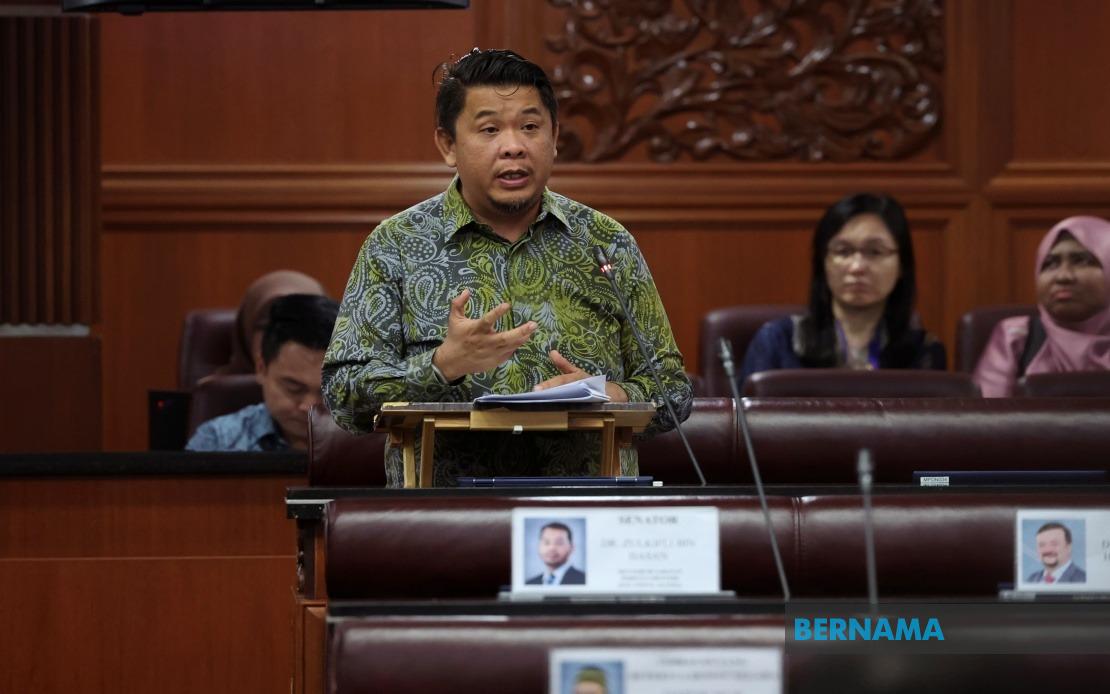
Lukanisman articulated the rationale during a parliamentary session when responding to questions about the government's approach to managing Rohingya refugees who lack both identity documentation and recognition from their country of origin, Myanmar. He emphasised that the DPP framework would enable Malaysia to coordinate data more systematically, verify identities through rigorous verification protocols, monitor population movements, and enforce regulations with greater precision. The restructuring reflects broader concerns about security screening and the need to prevent infiltration by individuals with questionable backgrounds or intentions.
The registration process under the new DPP system will operate through a stringent approval mechanism involving multiple enforcement agencies working in coordination. This multi-layered approach is designed to ensure that only genuinely eligible refugees receive registration status while simultaneously creating barriers against undocumented migrants attempting to exploit the system. The government views this as essential protection for both border security and social cohesion within Malaysia.
Malaysia's decision also reflects its position as a non-signatory to the 1951 Refugee Convention, a legal framework that obligates signatory nations to provide specific protections and services to refugee populations. Because Malaysia has not ratified this international agreement, the government argues it bears no formal obligation to accept unlimited refugee populations. Officials contend that the country has already accommodated far more refugees than many comparable nations, creating substantial fiscal and social pressures that justify the need for stricter management protocols.
The impact on local communities has become an increasingly prominent concern in government deliberations. By restructuring refugee management and controlling new registrations, Malaysian authorities aim to prevent further strain on public services, employment opportunities, and housing resources in areas with high concentrations of refugee populations. This reflects domestic political sensitivities around the costs of hosting large refugee communities, particularly in urban areas where competition for resources is most acute.
Simultaneously, Malaysia continues pursuing diplomatic solutions through multilateral channels involving Myanmar and other ASEAN member nations. The government believes that addressing the root causes of refugee displacement through regional cooperation offers a more sustainable path than indefinitely absorbing displaced populations. These diplomatic efforts aim to encourage Myanmar to accept repatriation of its nationals and to build consensus among Southeast Asian neighbours on burden-sharing approaches.
The DPP programme represents a fundamental recalibration of responsibility, shifting refugee management from international mechanisms toward state-controlled systems. Rather than relying on UNHCR records and protocols, Malaysia will maintain its own comprehensive database capturing identity information, background checks, and regulatory compliance. This transition grants the government direct authority over refugee status determination and documentation, reducing intermediaries and external scrutiny.
Concurrently, Malaysia plans to repatriate approximately 5,000 Myanmar nationals currently held in immigration detention facilities. The government has indicated that Myanmar's government has signalled willingness to accept these individuals, pending finalisation of logistics and diplomatic procedures. Naval vessels have been identified as the primary transportation mechanism for conducting large-scale repatriation operations, suggesting Malaysia intends to move forward expeditiously with removing detained nationals from its soil.
The repatriation initiative complements the registration freeze by simultaneously reducing the detained population and preventing new refugee admissions, thereby compressing Malaysia's overall refugee footprint. For Myanmar nationals in detention, repatriation offers an exit pathway, though questions remain regarding conditions awaiting returnees in Myanmar and whether the repatriation process can be conducted humanely given ongoing instability in some regions.
These policy shifts represent Malaysia's effort to balance humanitarian obligations with national security priorities and domestic economic concerns. The government believes that centralised data management, rigorous eligibility screening, and managed repatriation collectively address legitimate governance challenges while maintaining Malaysia's reputation as a responsible regional actor.
For Southeast Asia more broadly, Malaysia's approach signals that individual nations are increasingly asserting domestic control over refugee management rather than delegating authority to international bodies. This reflects broader regional scepticism toward multilateral frameworks and a preference for bilateral and regional solutions that align with national interests and capacities. Whether this model succeeds in reducing Malaysia's refugee burden while maintaining humanitarian standards will likely influence how other regional governments approach similar challenges.

