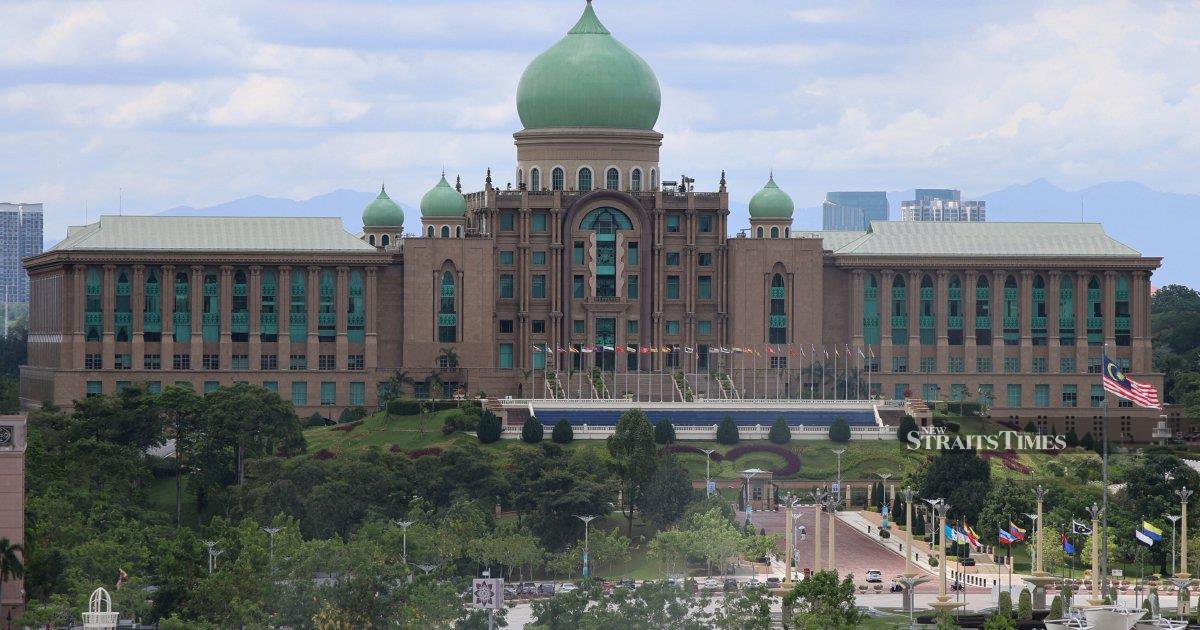
Prime Minister Datuk Seri Anwar Ibrahim's presentation of the 13th Malaysia Plan in parliament on July 31st placed regional security at the centre of the nation's five-year development roadmap for 2026-2030, signalling that Malaysia recognises the inseparable link between geopolitical stability and economic progress.
The timing of this emphasis reflects Malaysia's position as a Southeast Asian trading hub vulnerable to the consequences of broader geopolitical rivalries. As tensions between major powers intensify and regional flashpoints remain unresolved, Malaysia faces the delicate task of pursuing development objectives while maintaining constructive relationships across competing spheres of influence. The 13th Malaysia Plan's framework suggests policymakers view security architecture and economic resilience as interdependent rather than separate concerns.
For Malaysia, the stakes are particularly high. The country's strategic location along vital shipping lanes and its role as a financial and trade centre depend heavily on freedom of navigation and stable regional order. Disruptions to either could undermine investment flows, deter multinational corporations, and complicate supply chain integration that Malaysian manufacturing depends upon. The government's explicit linkage of security to development reflects hard-won lessons about how geopolitical instability can derail economic planning, regardless of how well-designed policy initiatives may be.
The 13th Malaysia Plan signals Malaysia's determination to adopt a posture that navigates multiple competing pressures without abandoning core national interests. Rather than aligning exclusively with any single bloc, the approach emphasises selective engagement and the pursuit of mutual benefit across different partnerships. This represents a continuation of Malaysia's non-aligned tradition, adapted for an era characterised by technological rivalry, economic competition, and military tensions.
Regional security concerns extend beyond traditional military dimensions. Cyber threats, maritime disputes, trafficking networks, and transnational terrorism all pose risks that conventional defence mechanisms struggle to address. Malaysia's development framework appears to acknowledge that sustainable growth requires coordinated responses to these multifaceted challenges, suggesting deeper integration with regional security mechanisms and intelligence-sharing arrangements.
The government's framing also reflects awareness that Malaysia cannot afford extended periods of regional instability. Foreign direct investment decisions depend on confidence in political stability and the absence of conflict risk. Infrastructure projects, industrial development zones, and technology initiatives outlined in development plans lose viability if investors perceive heightened security risks. By explicitly anchoring the 13th Malaysia Plan to regional security considerations, the government signals to international stakeholders that it takes threat mitigation seriously.
Economic interdependence across Southeast Asia complicates unilateral security strategies. Malaysia's manufacturing sector, financial services industry, and tourism economy all depend on regional prosperity and open market access. A major disruption affecting any neighbouring economy inevitably reverberates through Malaysian enterprises. This interconnectedness means Malaysia must balance its own strategic autonomy with the need to support broader regional stability, even when doing so requires diplomatic compromise or strategic restraint.
The emphasis on security within a development framework also addresses domestic constituencies concerned about Malaysia's vulnerability to external shocks. Business communities worry about supply chain disruption, citizens fear the personal consequences of regional conflict, and political leaders recognise that development gains can evaporate quickly if security deteriorates. By building security considerations into long-term planning, the government acknowledges these legitimate concerns while demonstrating strategic foresight.
Malaysia's approach differs from some neighbours that pursue more assertive postures or closer alignment with individual powers. Instead, the 13th Malaysia Plan reflects a calculation that Malaysia's interests are best served through flexible diplomacy, maintenance of multiple partnerships, and reliance on regional institutions to manage tensions. This strategy assumes that no regional actor possesses sufficient power to impose unilateral solutions, and that collective frameworks offer more durable security than bilateral arrangements.
The integration of security into development planning also suggests Malaysia recognises that economic growth without political stability and personal security loses meaning for ordinary citizens. Infrastructure investment, job creation, and rising living standards matter little if populations fear conflict or terrorism. The 13th Malaysia Plan therefore positions security enhancement not as a burden on development but as a prerequisite for it.
Looking forward, Malaysia's articulation of this integrated approach may serve as a model for other middle-power nations navigating comparable geopolitical environments. As global competition intensifies and regional tensions persist, developing nations must balance legitimate security concerns against the imperative to maintain growth trajectories that improve living standards. Malaysia's explicit recognition that these objectives are mutually reinforcing rather than contradictory reflects mature strategic thinking adapted to 21st-century realities.

