Malaysia Airports Holdings Bhd (MAHB) has reiterated its dedication to standing alongside law enforcement authorities in their efforts to protect Malaysia's borders from illegal activities, particularly following the recent case involving a Malaysian pilot detained in Indonesia on suspected drug smuggling charges. The airport operator has pledged to furnish comprehensive assistance to relevant agencies while maintaining robust operational partnerships with security and enforcement bodies overseeing operations at Kuala Lumpur International Airport (KLIA).
The 39-year-old pilot was apprehended by Indonesian authorities on July 29 after arriving from Malaysia with alleged contraband hidden in his possession. Authorities in Indonesia seized approximately 70,114 ecstasy pills and four grammes gross of methamphetamine, valued at roughly Rp60 billion. Initial investigative findings suggest the suspect may have engaged in repeat smuggling activities into Indonesia and potentially maintains connections to a broader international trafficking operation, with ongoing inquiries aimed at identifying additional syndicate members and intended recipients.
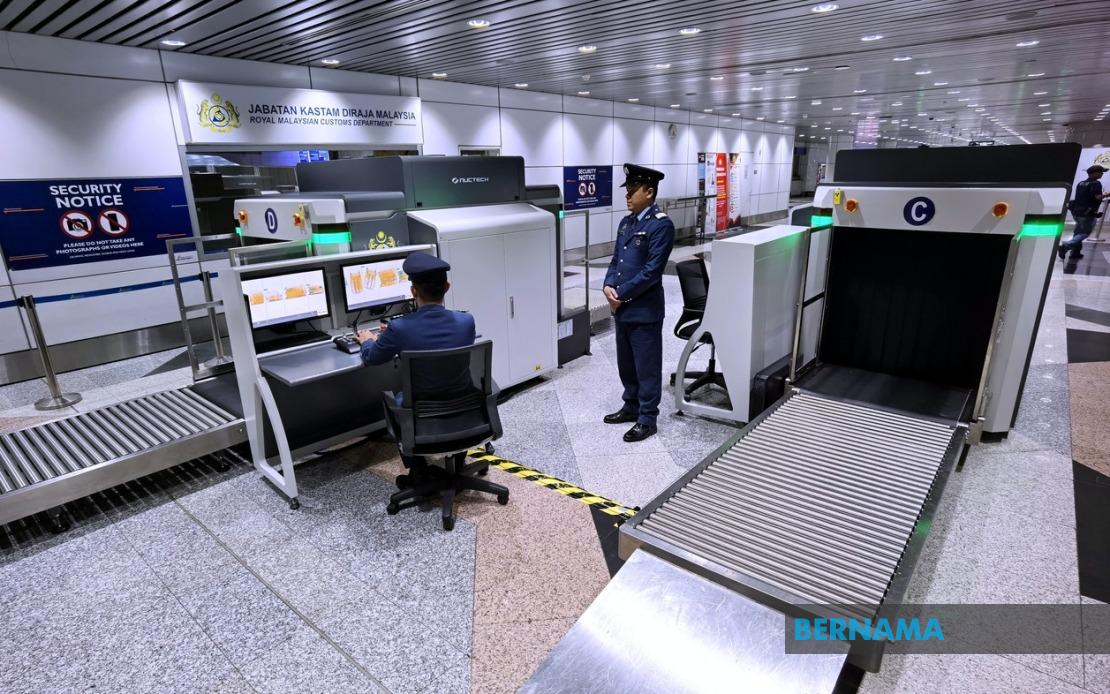
MAHB's statement underscores the distinction between its primary aviation security responsibilities and the broader law enforcement mandate exercised by other governmental bodies. The airport operator's Aviation Security (AVSEC) division focuses specifically on preventing activities that directly threaten the safety and integrity of civil aviation operations. This specialised team deploys sophisticated screening infrastructure equipped to identify explosives, firearms, and materials that pose immediate threats to aircraft and passengers. Checked luggage departing through KLIA, whether belonging to ordinary travellers or airline personnel, undergoes comprehensive security evaluation consistent with international aviation safety protocols.
The identification, prosecution, and enforcement related to controlled substances that fall outside immediate aviation security concerns remain the responsibility of dedicated law enforcement agencies operating within Malaysia's regulatory framework. The Royal Malaysia Police (PDRM) and Royal Malaysia Customs Department coordinate their investigations into drug trafficking, smuggling of prohibited goods, and related contraband activities, while the Department of Wildlife and National Parks manages matters concerning protected fauna. Each organisation operates according to established legal procedures and enforcement mandates, with MAHB furnishing logistical support through coordinated intelligence sharing and operational collaboration.
Collaboration between MAHB's security personnel and the PDRM has demonstrated measurable results in intercepting smuggling attempts. During the first seven months of 2024, the partnership successfully disrupted more than 30 separate incidents involving individuals attempting to transport illegal substances through KLIA. These statistics reflect the intensity of trafficking pressures exerted on Malaysia's main international air gateway and highlight the necessity for sustained vigilance and inter-agency coordination.
The incident carries significant implications for aviation security standards across the region. The fact that a licensed pilot—an individual inherently entrusted with higher access and operational privileges—became the subject of smuggling allegations raises broader questions about vetting procedures, staff conduct monitoring, and vulnerabilities within the aviation sector. Such cases typically prompt regulatory bodies to reassess whether existing safeguards sufficiently account for insider risks, particularly among crew members who may exploit their legitimate proximity to cargo and passenger areas.
In response to the case, Malaysia's Civil Aviation Authority (CAAM) has initiated its own regulatory assessment to determine whether prescribed security protocols received proper adherence. CAAM chief executive officer Datuk Capt Norazman Mahmud indicated the investigation would examine both the airline's compliance with aviation security mandates and KLIA's baggage screening effectiveness. This regulatory scrutiny represents standard procedural practice following high-profile breaches and serves to identify systemic weaknesses that might require corrective action.
The KLIA baggage handling infrastructure has been engineered with security as a foundational design principle rather than an afterthought. All luggage processed through the facility undergoes structured security evaluation before clearance for air transport. Nevertheless, the sophistication of contemporary smuggling techniques—including concealment methods and false compartments—ensures that no screening system achieves perfect interdiction rates. The ongoing challenge confronting airport authorities and enforcement partners involves calibrating security measures to maintain detection effectiveness while sustaining operational efficiency and passenger throughput.
For Malaysia's aviation sector and airport operators, the incident underscores the necessity of sustained investment in detection technology, staff training, and cross-agency communication protocols. The region's major transportation hubs increasingly find themselves in the sightlines of international trafficking networks seeking to exploit vulnerabilities in border security infrastructure. Southeast Asian airports collectively process hundreds of thousands of passengers and tonnes of cargo daily, creating both opportunity and risk in the perpetual contest between interdiction and evasion.
The case also highlights the transnational character of modern drug trafficking, whereby substances sourced elsewhere enter Malaysia before transit to final destination markets. The pilot's alleged prior involvement in similar activities suggests he may have been cultivated by trafficking networks through coercion or financial incentive—a common recruitment mechanism targeting aviation professionals with legitimate access to restricted areas. Disrupting such networks requires not only detection at borders but also intelligence sharing across regional and international law enforcement partnerships.
MAHB's reaffirmed commitment signals the airport operator's understanding that commercial viability and security effectiveness are mutually reinforcing rather than competing interests. Passengers and airlines choose airports that maintain both efficient operations and demonstrated security competence. Recent high-profile incidents at airports globally have demonstrated that public confidence deteriorates rapidly when security breaches occur, potentially affecting passenger traffic and airline routing decisions. MAHB's proactive stance in supporting enforcement efforts thus aligns both regulatory compliance and business resilience objectives.
Moving forward, the coordination mechanisms linking MAHB, PDRM, customs authorities, CAAM, and other stakeholder agencies will require continuous refinement as trafficking methods evolve. Intelligence gathered from this pilot case will likely inform training scenarios and procedural updates affecting crew screening and operational protocols. The challenge facing airport security professionals involves remaining responsive to emerging threats while avoiding security theatre that impedes legitimate passenger and cargo movement.
The incident serves as a reminder that border security represents an ongoing collaborative endeavour rather than a problem susceptible to permanent solution. As international travel volumes recover to and exceed pre-pandemic levels, airports like KLIA will continue encountering determined trafficking attempts. MAHB's demonstrated willingness to work systematically with enforcement partners provides a foundation for addressing these challenges, though sustained political commitment, budgetary support, and regional cooperation remain essential prerequisites for effective border protection.

