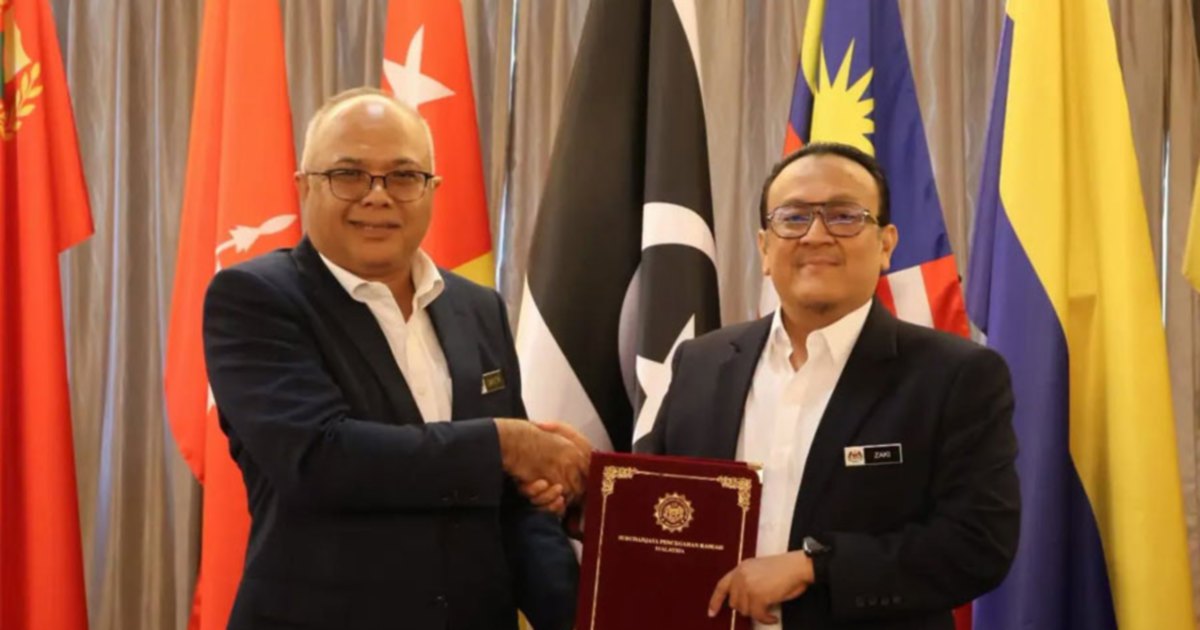
The Malaysian Anti-Corruption Commission has called for a comprehensive overhaul of governance structures underpinning the Cooking Oil Price Stabilisation Scheme, seeking to fortify a programme that has long struggled with implementation gaps and resource diversion. The initiative, unveiled in Putrajaya, represents an attempt to systematise control mechanisms across a subsidy framework that touches virtually every Malaysian household's kitchen and carries significant budgetary implications.
Cooking oil subsidies constitute one of the government's most visible welfare commitments, but their administration has proven persistently vulnerable to abuse. The COSS mechanism, designed to keep domestic prices artificially low and protect consumers from global commodity price volatility, operates across a fragmented supply chain involving distributors, retailers, and countless intermediaries. This structural complexity has historically created opportunities for diversion, black-market sales, and cross-border smuggling—problems that drain public resources while potentially destabilising the intended beneficiary population.
The MACC's six-point reform package addresses these systemic weaknesses through enhanced oversight architecture. By tightening administrative controls and establishing clearer accountability mechanisms, the proposals aim to ensure that subsidy allocations reach genuine end consumers rather than leaking into informal markets or generating profit for actors positioned to exploit regulatory gaps. The recommendations reflect growing recognition that Malaysia's subsidy programmes require not merely increased funding but fundamentally improved operational discipline.
For Malaysian policymakers, the timing of these proposals carries particular weight. Global palm oil prices have remained volatile, placing pressure on subsidy budgets during periods of international commodity spikes. Simultaneously, domestic inflation concerns have renewed public sensitivity to cooking oil affordability, making the COSS programme politically significant even as its fiscal sustainability questions loom. The MACC intervention signals that controlling costs requires addressing leakage rather than simply expanding expenditure.
The governance improvements proposed by the anti-corruption body would establish clearer delineation between stakeholder responsibilities throughout the supply chain. Distributors, retailers, and wholesalers currently operate under frameworks that sometimes permit ambiguity regarding allocation limits and end-user verification. Strengthened documentation requirements and real-time tracking mechanisms could substantially reduce opportunities for traders to divert subsidised oil into higher-margin channels, thereby protecting programme integrity while maintaining consumer access.
Digitalisation features prominently in the MACC's recommendations, reflecting broader Southeast Asian trends toward technology-enabled governance. By implementing electronic monitoring systems alongside traditional auditing, regulators could achieve unprecedented visibility into subsidy flows. Malaysia's existing infrastructure—including relatively sophisticated retail point-of-sale systems and telecommunications networks—provides a foundation for such technological integration, though implementation would require coordination across multiple agencies and private sector participants.
The proposals also address coordination deficiencies between government agencies overseeing different programme dimensions. Domestic Trade and Cost of Living Ministry officials, Finance Ministry staff, and enforcement agencies often operate with incomplete information-sharing arrangements, limiting their collective capacity to identify irregularities. Institutionalising inter-agency data exchange and establishing unified monitoring dashboards would create a single authoritative picture of subsidy programme performance, enabling faster intervention when anomalies emerge.
Beyond administrative mechanics, the MACC recommendations likely include measures targeting the informal sector's role in subsidy leakage. Cooking oil earmarked for domestic consumption often flows toward neighbouring countries or reprocessing operations that add minimal value while generating illicit profits. Stronger border monitoring, enhanced retail licensing requirements, and penalties for sellers found distributing subsidised oil in prohibited channels could incrementally raise the costs of circumventing regulations.
The financial implications for Malaysia warrant serious consideration. Subsidy leakage translates directly into foregone resources that could otherwise fund education, healthcare, or infrastructure. Even modest improvements in programme efficiency—reducing leakage by ten or fifteen percent—would free substantial public funds. Given Malaysia's evolving fiscal constraints and competing budgetary demands, improving subsidy administration efficiency becomes increasingly attractive compared to merely raising subsidy allocations.
Sector observers note that governance improvements alone cannot resolve fundamental questions about cooking oil subsidy design. Whether Malaysia should maintain price controls indefinitely, gradually shift toward cash transfers to vulnerable populations, or adopt hybrid models remains a separate strategic question. However, the MACC's focus on administrative tightening reflects pragmatic acknowledgment that whatever subsidy framework policymakers ultimately embrace, implementing it effectively requires robust governance foundations.
The regional dimension also merits attention. Other Southeast Asian nations facing similar subsidy challenges—including Indonesia, Thailand, and Vietnam—watch Malaysian reform efforts closely. If the MACC recommendations prove implementable and yield measurable reductions in leakage, neighbouring countries may adopt comparable approaches. Conversely, implementation failures would reinforce scepticism about whether governance improvements can meaningfully address subsidy programme vulnerabilities in the region.
Government response to the MACC proposals will shape programme trajectory over coming months. Prompt adoption of the six governance reforms would signal determination to strengthen subsidy administration, potentially building public confidence that taxpayer resources supporting cooking oil prices genuinely reach intended consumers. Delayed or partial implementation might suggest institutional resistance to reform, perpetuating the suspicion that leakage persists due to toleration by those administering the scheme.

