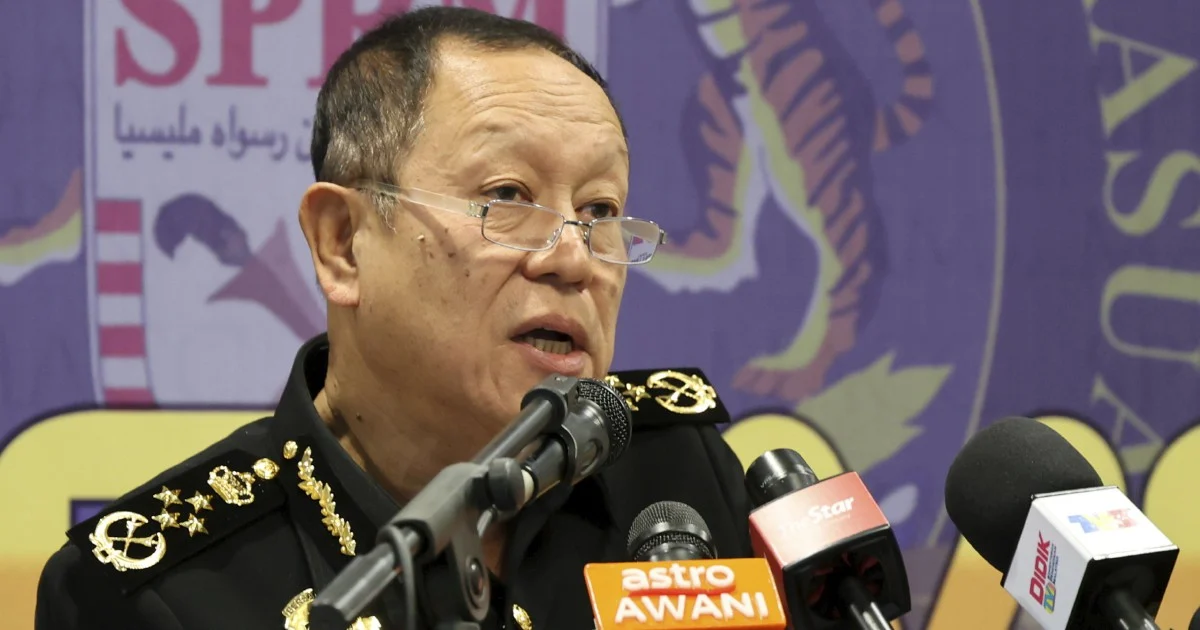
The Malaysian Anti-Corruption Commission has signalled its intention to interview multiple individuals, among them the spouse of a former Malaysian prime minister, as it pursues investigations into an upmarket United States property purportedly connected to misappropriated 1Malaysia Development Bhd funds. The development marks a significant expansion of the long-running 1MDB inquiry, which has already resulted in numerous prosecutions and international legal actions spanning jurisdictions from Singapore to Switzerland.
The focus on overseas real estate represents a fresh dimension in the MACC's efforts to trace the dispersal of billions in state funds that disappeared from the sovereign wealth fund during its tumultuous operations. Rather than concentrating solely on domestic transactions and domestic beneficiaries, investigators are now examining how alleged proceeds may have flowed into high-value property acquisitions in international markets. This geographical widening of the probe reflects both improved international cooperation and a more comprehensive understanding of how the funds were channelled through complex networks of shell companies and intermediaries.
The involvement of a former leader's family member underscores how deeply the 1MDB scandal penetrated Malaysia's political establishment. Multiple figures across the country's ruling elite have faced scrutiny or prosecution in connection with the fund, yet each new investigation yields fresh names and previously unknown transactions. The MACC's decision to summon this individual for questioning demonstrates that investigators believe significant evidence exists linking specific family members to the property acquisition in question.
Luxury property markets in major United States cities have long attracted international wealth, both legitimate and illicit. The prevalence of cash purchases, complex trusts, and anonymised ownership structures in American real estate has made it a convenient destination for funds requiring layering and concealment. Malaysia's authorities have increasingly recognised that understanding the full scope of 1MDB's disbursement requires tracing assets across multiple continents and through multiple asset classes, from property to art to equities and cryptocurrency.
The investigation's expansion carries implications for Malaysia's international standing as a financial centre. Authorities have worked assiduously to restore confidence in the country's regulatory frameworks following the 1MDB disaster, which severely damaged Malaysia's reputation for financial governance. Demonstrating sustained commitment to investigating and prosecuting those responsible—regardless of their prominence—remains essential to that rehabilitation effort. The MACC's continued activity signals that the institution possesses both the mandate and the capacity to pursue cases of significant complexity across borders.
For Malaysian readers, the investigation highlights how transnational corruption operates and the technical challenges that law enforcement agencies must overcome. Tracking cross-border asset transfers, coordinating with foreign authorities, interpreting complex financial instruments, and obtaining admissible evidence from international sources all demand sophisticated investigative capabilities. The MACC's progression into these areas demonstrates institutional maturation, though success ultimately depends on sustained political support and international cooperation.
The involvement of the United States also reflects broader shifts in global anti-corruption enforcement. American authorities have periodically made asset seizures and pursued money laundering charges related to 1MDB, demonstrating Washington's willingness to use its financial and legal systems to combat transnational corruption. Malaysian investigators' ability to coordinate with American counterparts determines their effectiveness in this domain, making international intelligence-sharing networks crucial to the probe's success.
The questioning of individuals connected to former political leadership also raises questions about the extent of institutional knowledge that may exist within Malaysia's establishment regarding the alleged diversions. If former office-holders or their families possessed detailed knowledge of specific transactions—including the identity of intermediaries, the timing of transfers, and the final disposition of assets—then extracting that information becomes strategically valuable to reconstructing 1MDB's complete financial history. Such testimony could also prove significant if additional prosecutions are anticipated.
The scope of the property inquiry suggests that investigators are working backwards from identified assets, attempting to establish ownership chains and financial flows that link particular properties to specific fund disbursements. This methodology requires extensive documentary evidence: bank records, title deeds, corporate filings, email communications, and witness testimony. The involvement of the MACC indicates confidence that sufficient preliminary evidence exists to justify formal questioning of relevant parties.
For Malaysia's broader governance narrative, the continuing 1MDB investigations represent unfinished institutional work. The fund's collapse exposed deficiencies in oversight, accountability, and transparency that, if unaddressed, invite future malfeasance. The MACC's sustained investigative effort thus serves a function beyond criminal prosecution—it reinforces that Malaysia's institutions remain engaged in accountability processes and that no individual or family, regardless of former or current status, exists beyond scrutiny.
The timing of fresh questioning may also reflect progress in securing cooperating witnesses or obtaining previously unavailable evidence, possibly through international requests or the resolution of legal obstacles that initially impeded access to financial records. Such developments in complex investigations often cluster—once certain evidentiary barriers are overcome, investigators can rapidly expand their net and pursue multiple angles simultaneously.
As the investigation proceeds, observers will watch for indications of whether questioning leads to formal charges, voluntary admissions, or other developments in the case. The trajectory of this inquiry remains significant not only for those potentially implicated but for the credibility of Malaysia's institutions and the country's position within the international community of nations working against financial corruption.

