The Malaysian Anti-Corruption Commission has stepped up vigilance ahead of Saturday's Johor state election, confirming that it is examining three separate reports of alleged misconduct in the campaign. The disclosures underline growing scrutiny of electoral integrity as 2.7 million voters prepare to select 56 state assembly representatives across the southern state.
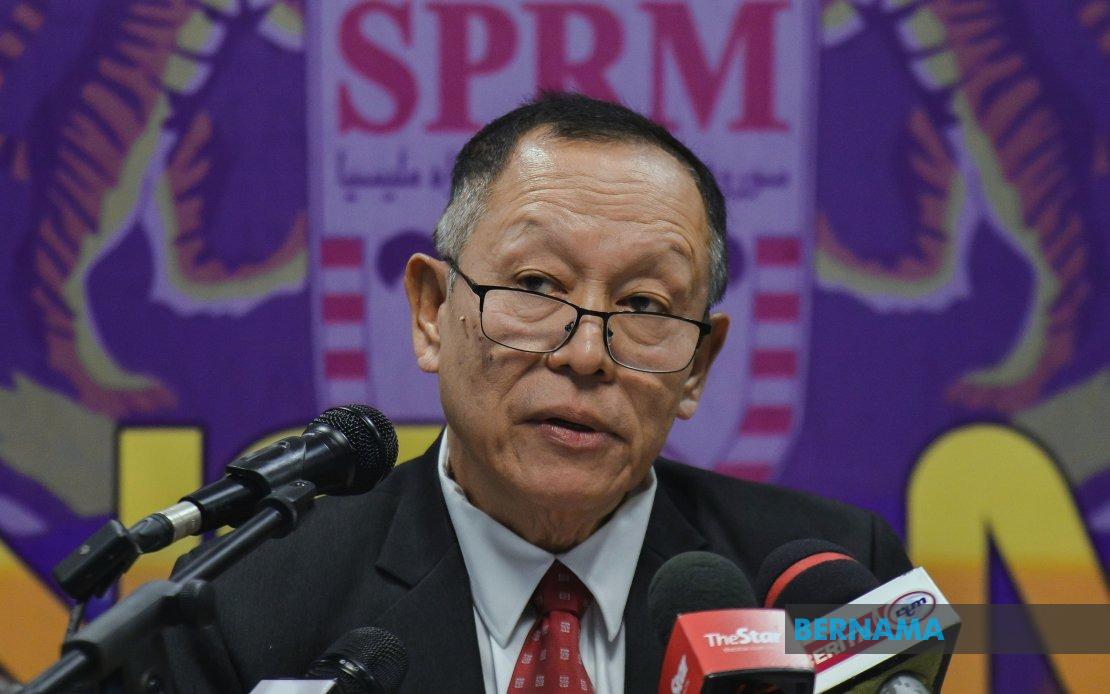
MACC chief commissioner Datuk Seri Abd Halim Aman disclosed the three complaints during a briefing at the commission's headquarters in Putrajaya, stating that one allegation specifically targets an election candidate. The reports come from diverse sources: one formal complaint originated from the Election Campaign Enforcement Team (PP-KPR) operating in Batu Pahat, while the remaining two emerged from the general public. This mix of official and citizen-led reporting reflects a broader push to embed anti-corruption oversight throughout the electoral process.
The allegation concerning a Batu Pahat candidate carries particular weight given the proximity to polling day. While Abd Halim declined to elaborate on specifics, the fact that an individual contesting office faces scrutiny signals the commission's willingness to act decisively regardless of political affiliation. He emphasized that the MACC treats all corruption allegations with equal seriousness, emphasizing that wrongdoing undermines democratic credibility irrespective of perpetrator or party.
To bolster transparency and accessibility during the campaign, the MACC has established dedicated election operations centres across five strategic locations: Johor Bahru, Segamat, Kluang, Batu Pahat and Mersing. These command posts serve dual purposes—receiving public complaints about abuses of power and election-related misconduct while providing voters with an avenue to report irregularities directly. The geographic distribution ensures coverage across the state's diverse constituencies.
Abd Halim's messaging emphasized an uncompromising stance on electoral fraud. He articulated that the commission views election corruption as corrosive to institutional trust, and would pursue enforcement against any transgressor without regard to their social standing or political connections. This declaration aims to reassure voters that the system operates independently and fairly, particularly important in contexts where patronage networks or power imbalances might otherwise discourage public reporting.
The broader context reflects Malaysia's evolving commitment to electoral cleanliness. Clean elections, according to the MACC chief, do more than prevent fraud—they reinforce citizen confidence in democratic institutions and governance systems more broadly. This perspective aligns with international standards emphasizing that electoral integrity forms a foundation for institutional legitimacy and social cohesion.
The timing of these complaints raises questions about implementation of campaign regulations during the intensive final week before voting. Candidates, party machinery, supporters and voters all face legal obligations to maintain proper conduct, yet enforcement often proves challenging when activity accelerates near election day. The operational readiness the MACC has demonstrated suggests an attempt to maintain oversight intensity precisely when violations might otherwise proliferate undetected.
For Malaysian observers, particularly those in other states considering upcoming electoral contests, the Johor experience provides a test case for how anti-corruption bodies can embed themselves within campaign cycles. The five operations centres represent a more granular approach than passive complaint processing, suggesting the MACC is attempting to create multiple pathways for reporting and investigation.
The 16th Johor state election carries implications extending beyond the state's immediate political landscape. As Malaysia navigates post-transition electoral politics, demonstrating that anti-corruption mechanisms function independently and effectively becomes crucial for maintaining democratic legitimacy. The MACC's visible engagement in this election, though still preliminary, signals institutional adaptation to heightened public expectations around transparency.

