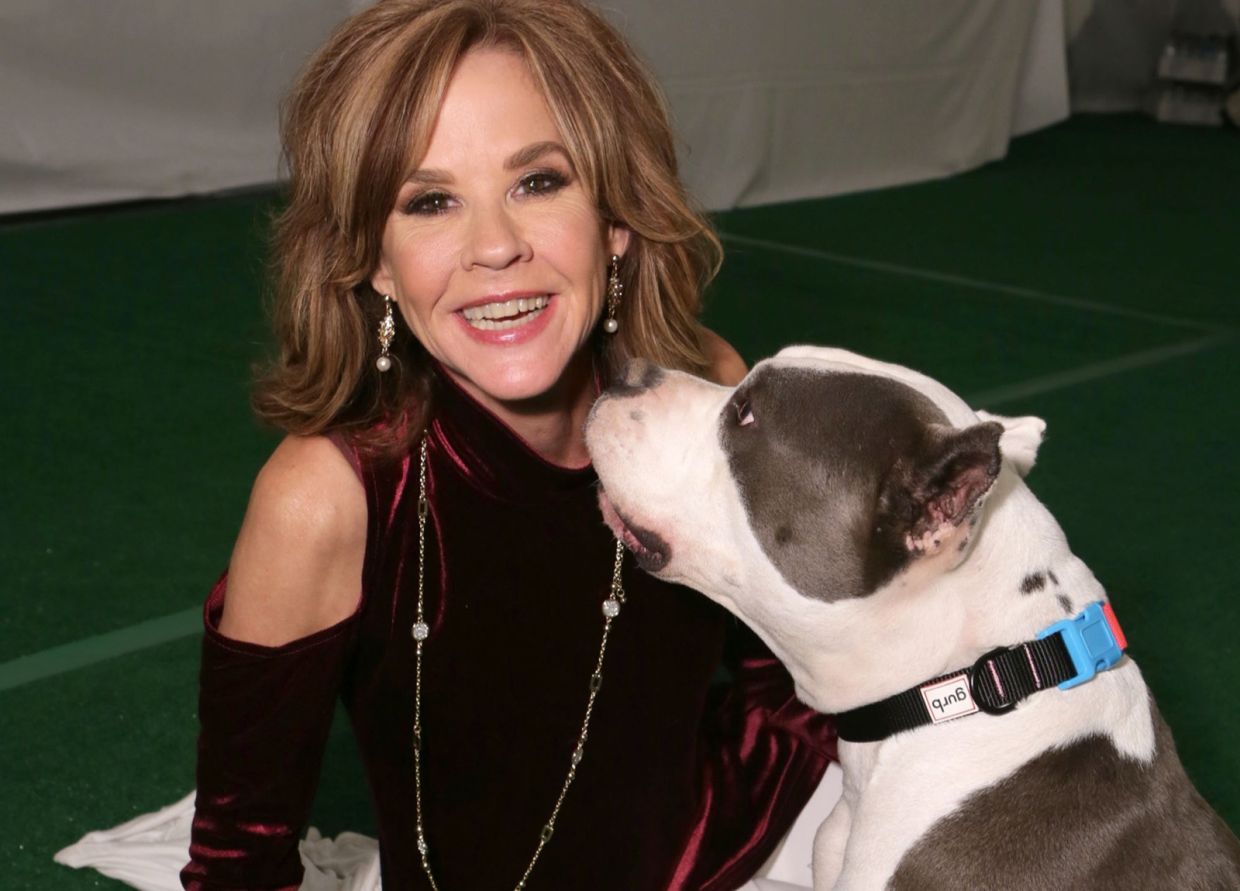
Authorities in Southern California descended on a property owned by actress Linda Blair on Friday to investigate allegations that the site was operating as an undocumented animal sanctuary. The Los Angeles County Department of Animal Care and Control (DACC) and the Department of Regional Planning jointly executed an investigative warrant during the afternoon raid, seeking to verify the legal status of what appeared to be a rescue dog operation housing upwards of 100 animals without proper county documentation or approval.
The 67-year-old actress, known for her role in "The Exorcist" and decades of animal welfare advocacy, cooperated fully with officials during the search. In her public response, Blair emphasised that neither she nor the animals faced any safety concerns and characterised the entire incident as a straightforward administrative matter centring on regulatory compliance. She told media outlets that no criminal accusations had been levelled against her, and suggested the situation involved resolving outstanding paperwork issues with local authorities.
According to the DACC statement, Blair had previously held a valid permit authorising her to operate a kennel facility on the property. However, that authorisation expired in 2023, and when officials from both agencies attempted to contact the actress on multiple occasions to address the lapsed permit, their efforts went unanswered. This apparent breakdown in communication ultimately prompted the warrant and the unannounced visit to the residence during record-breaking heat conditions.
The warrant provided law enforcement with legal authority to access the private property and conduct a thorough inspection to determine whether the operation complied with all applicable Los Angeles County codes and regulations. Officials did not characterise their findings as suggesting wilful violation or criminal intent, instead framing the matter as a compliance verification process. The cooperative nature of Blair's response and the absence of criminal charges in subsequent days suggest authorities viewed this primarily as a regulatory enforcement issue rather than suspected animal neglect or abuse.
Blairs's public statement following the raid, delivered via video on Instagram, addressed both the operational status of her facility and the welfare of the animals in her care. She asserted that all animals remained in good condition despite the stress of the afternoon's events and the extreme 105-degree Fahrenheit heat that coincided with the warrant execution. In accompanying written remarks, Blair attributed the administrative lapse partly to the overwhelming demands of her animal rescue work, noting that the constant influx of rescue operations, adoption coordination, and communication demands often created logistical challenges that resulted in overloaded email inboxes and social media accounts.
The incident reflects broader tensions that emerge when passionate animal advocates run large-scale rescue operations without maintaining meticulous regulatory compliance. While the motivation to save animals from desertion and suffering is genuine and laudable, operating within local government frameworks requires continuous attention to permit renewals, documentation, and official communication. For someone balancing high-volume rescue work—drawing animals from Arizona deserts and struggling shelters across the region—administrative oversight can become secondary to immediate animal welfare needs.
Blairs's long-standing commitment to animal rescue predates this controversy by two decades. In 2003, she established the Linda Blair WorldHeart Foundation, a nonprofit organisation dedicated to rescuing, rehabilitating, and rehoming abused, neglected, and abandoned animals. The foundation's mission explicitly targets alleviating animal suffering by providing sanctuary and permanent placement for creatures that have experienced abuse or abandonment. For two decades, this organisation has operated as the formal structure through which Blair channels her animal welfare advocacy and has built significant credibility within rescue and advocacy circles.
The timing of the raid—during an extreme heat event when animal welfare concerns are particularly acute—underscores the practical challenges that rescue operators face in maintaining both operational intensity and regulatory compliance simultaneously. Southern California's expanding desert regions and growing shelter crisis create constant demand for private rescue capacity. Yet local authorities must balance enabling such private efforts with ensuring that large animal concentrations meet health, safety, and environmental standards.
The resolution of this matter will likely involve Blair renewing her kennel permit and potentially implementing improved administrative systems to prevent future lapses. The absence of criminal charges and the cooperative resolution suggest this will be resolved through standard regulatory channels rather than legal prosecution. For Blair and others operating similar facilities, the incident serves as a reminder that even well-intentioned animal rescue operations require sustained attention to bureaucratic requirements alongside the emotionally compelling work of saving individual animals.
For Malaysian readers and Southeast Asian observers, this incident illustrates how developed countries' animal welfare frameworks operate through multiple layers of permitting, inspection, and regulatory oversight. While Malaysia and its regional neighbours have made strides in animal protection legislation, such comprehensive and proactive inspection systems remain nascent. The American approach—combining private rescue initiatives with government verification mechanisms—represents an alternative model to purely government-run animal services, though it requires both private operators and public agencies to invest substantially in coordination and compliance.

