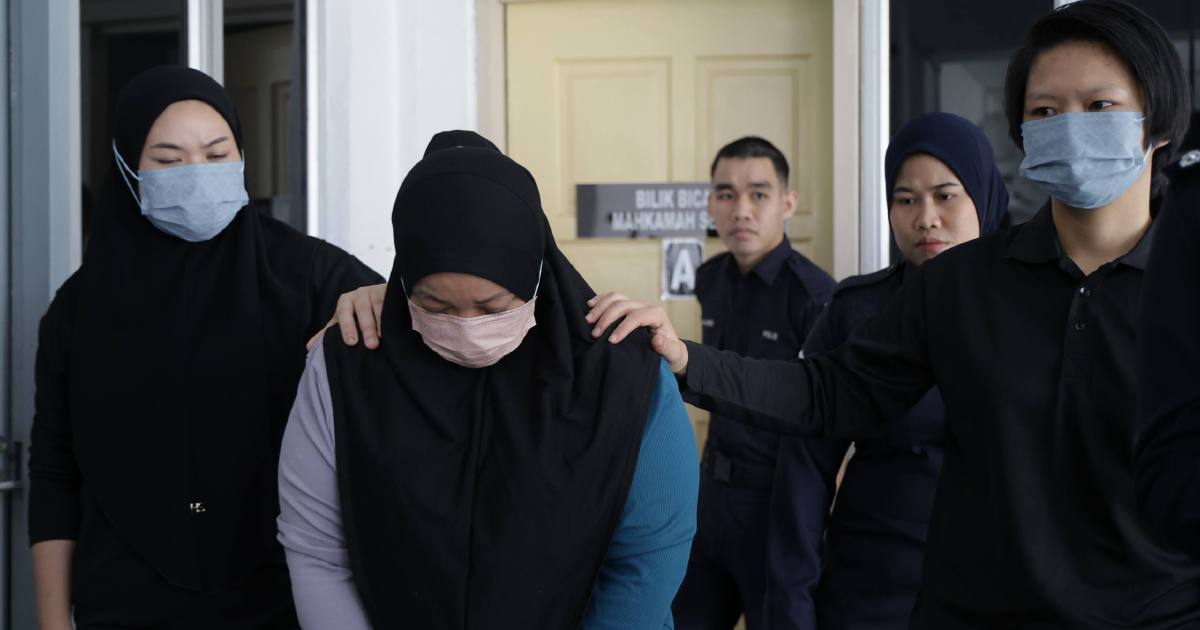
A 39-year-old housewife has been brought before the Magistrate's Court in Kota Tinggi following the death of a 16-month-old child in her household. The court appearance marks a critical juncture in a case involving the death of a young member of the extended family unit, with authorities formally charging the woman with murder in connection with the incident that occurred in the preceding month.
The incident represents a tragic loss within what is typically understood as a family setting, though the relationship dynamics appear complicated given the step-familial connection between the accused and the deceased child. Cases involving the deaths of very young children often generate significant community concern and examination of child welfare protocols within family environments. The age of the child—merely 16 months old—underscores the vulnerability of infants and the serious responsibilities placed on adult caregivers.
Murder charges in cases involving child deaths are among the most serious matters brought before Malaysian courts. The prosecution's decision to pursue murder charges, rather than lesser alternative charges, indicates that investigators believe the evidence points to intent or recklessness of a particularly grave nature. In Malaysia's legal framework, such charges can carry severe penalties upon conviction, reflecting the gravity with which the law treats harm to children.
The Kota Tinggi district in Johor, where these proceedings are taking place, is part of one of Malaysia's most populous states. Child safety incidents in urban and suburban areas often prompt scrutiny of local social services infrastructure and the adequacy of family protection mechanisms. The case will likely proceed through multiple court stages, beginning with these initial magistrate court appearances.
This case adds to a broader pattern of child welfare concerns that periodically surface across Malaysia. While substantive details of the circumstances remain subject to court proceedings, such incidents typically trigger discussions among child protection advocates, social welfare officials, and legal practitioners about early intervention opportunities and the effectiveness of existing safeguarding systems. Extended family arrangements, where multiple generations share household spaces, require particular attention to child welfare protocols.
The involvement of a step-grandparent relationship introduces family structure considerations that welfare professionals recognize as potentially creating communication gaps or role ambiguities regarding childcare responsibilities and decision-making authority. In Malaysian household contexts where multi-generational living is relatively common, clear understanding of each adult's duties and limitations becomes essential for child safety.
The magistrate court proceedings represent the initial stage of judicial review. The accused will have the opportunity to enter a plea, and the court must determine whether sufficient evidence exists to commit the matter to a higher court for trial. Should the case proceed to trial, it would typically be heard by the High Court, where murder charges are usually adjudicated in Malaysia's criminal justice system.
For the extended family involved in this tragedy, the court proceedings represent both a search for accountability and a period of ongoing grief. The loss of an infant generates profound psychological impact across multiple family members, while the criminal proceedings add layers of complexity and public scrutiny to an already painful situation.
This case highlights ongoing challenges within Malaysia's child protection framework, particularly regarding the identification of risk factors in household environments and the effectiveness of intervention mechanisms. Whether the child's death resulted from a sudden tragic event or from circumstances that might have been identified and addressed through earlier intervention remains to be established through the judicial process.
The Kota Tinggi Magistrate's Court will continue to handle preliminary proceedings as the case progresses through Malaysia's criminal justice system. Observers familiar with Malaysian family law and child welfare procedures recognize that such cases often reveal gaps between existing support systems and families that might benefit from proactive assistance. The outcome of these proceedings may generate recommendations for enhanced child safety protocols within family units and improved coordination between law enforcement and social service agencies.
As the case unfolds, it will contribute to ongoing national conversations about child protection, family violence prevention, and the responsibilities incumbent upon family members and state institutions to safeguard vulnerable young people. The tragedy serves as a stark reminder of the dependence young infants place upon adult caregivers and the critical importance of accountability when that trust is violated or when negligent circumstances lead to irreversible harm.

