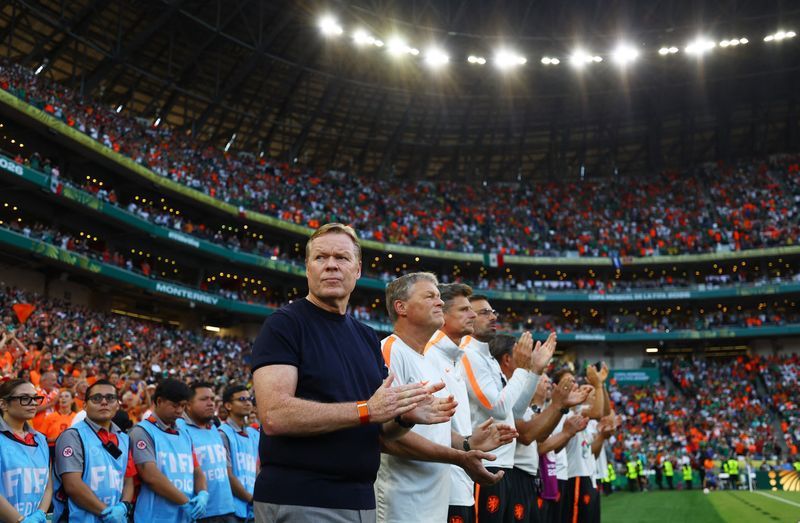
Ronald Koeman faced mounting scrutiny following the Netherlands' dramatic World Cup exit in Monterrey on Monday, but the Dutch coach remained unmoved by the prospect of blame for his tactical decisions against Morocco. The tournament's biggest surprise saw the North Africans progress to face Canada in the knockout round after a 3-2 penalty shootout victory, capping a 1-1 draw that extended into extra time. Yet Koeman resisted calls to apologise for deploying five defenders, a choice that deviated sharply from the attacking traditions Dutch football has long championed.
The decision to field an extra defender represented a deliberate recalibration aimed at neutralising Morocco's threat rather than reflecting any hesitation about the opposition's quality. Koeman articulated this distinction with particular emphasis during his post-match remarks to journalists, keen to separate tactical pragmatism from the accusation of playing with undue caution. He acknowledged that reversing the Netherlands' familiar blueprint would invite inevitable criticism, especially given the manner of elimination, yet he maintained conviction in the strategic adjustments his coaching staff had implemented across the 90 minutes and beyond.
Analysing the team's prior performances in the group stage provided the intellectual foundation for Koeman's defensive reorientation. The defensive lapses evident during matches against Sweden and Tunisia had exposed vulnerabilities that would prove catastrophic against a Morocco side demonstrating considerably greater technical refinement and attacking potency. By consolidating his back line, Koeman contended that the Netherlands materially reduced the space available for Morocco's creative players to operate, a genuine improvement upon their earlier tournament struggles even if it necessitated sacrificing some of the side's own attacking prowess.
Koeman emphasised that the tactical framework had been developed collaboratively with his squad, indicating broad player consensus around the approach rather than top-down imposition. This internal alignment proved significant given the historical tensions between coaching innovation and Dutch footballing orthodoxy. The coach's willingness to challenge conventional wisdom about how his nation's teams should play reflected both his authority and the genuine analytical work underpinning his decision-making.
The manager's frustration at receiving tactical instruction from the sidelines was evident as he engaged with reporters in the immediate aftermath of elimination. Koeman drew a pointed distinction between the theoretical perspectives of observers and the practical realities confronting a coach managing eleven players against world-class opponents under tournament pressure. His reference to maintaining three strikers on the pitch simultaneously served as a counterpoint to any suggestion the Netherlands had abandoned attacking ambitions entirely, instead presenting the five-defender system as a calculated recalibration of proportions rather than a wholesale retreat into negativity.
For Malaysian and Southeast Asian observers, Koeman's predicament illustrates the acute pressures facing international coaches attempting tactical innovation within culturally entrenched footballing traditions. The backlash anticipating his defensive choice—before it ultimately failed—reflects how deeply emotional investment in national team identity shapes public reception of strategic decisions. This dynamic plays out similarly across the region, where national coaching appointments frequently encounter domestic expectations about how football should be played alongside demands for tangible results.
Moreover, Koeman's experience demonstrates that tournament elimination often overshadows nuanced assessment of tactical execution. Had Morocco failed to equalise with that dramatic late goal forcing extra time, the same five-defender formation would likely have attracted praise for disciplined implementation and calculated risk management. The psychological weight of penalty shootout defeat inverted perceptions of the strategy itself, transforming what might have been recognised as intelligent defensive organisation into apparent timidity. This phenomenon extends beyond football into broader sports management, where outcomes exert disproportionate influence over tactical appraisal.
The coach's reflection that he would replicate the tactical approach without hesitation represented a significant statement of principle. Rather than adopting a defensive posture regarding his decision-making—paradoxically mirroring the tactical accusation—Koeman doubled down on the analytical foundation supporting his approach. This steadfastness may prove consequential for his future with the Dutch federation as he deliberates whether to continue in the role, particularly given the traditional expectations accompanying the Netherlands' coaching position.
Koeman's willingness to articulate these positions candidly, even accepting the certainty of criticism, illustrated the complex terrain international football coaches navigate. They must simultaneously justify immediate tactical choices, defend against cultural challenges to their strategic philosophy, and maintain credibility with both players and administrators. The Netherlands coach's refusal to retreat into apologies or obfuscation offered a masterclass in standing by difficult decisions, though whether Dutch football authorities and supporters would ultimately vindicate that stance remained an open question as the tournament proceeded without them.

