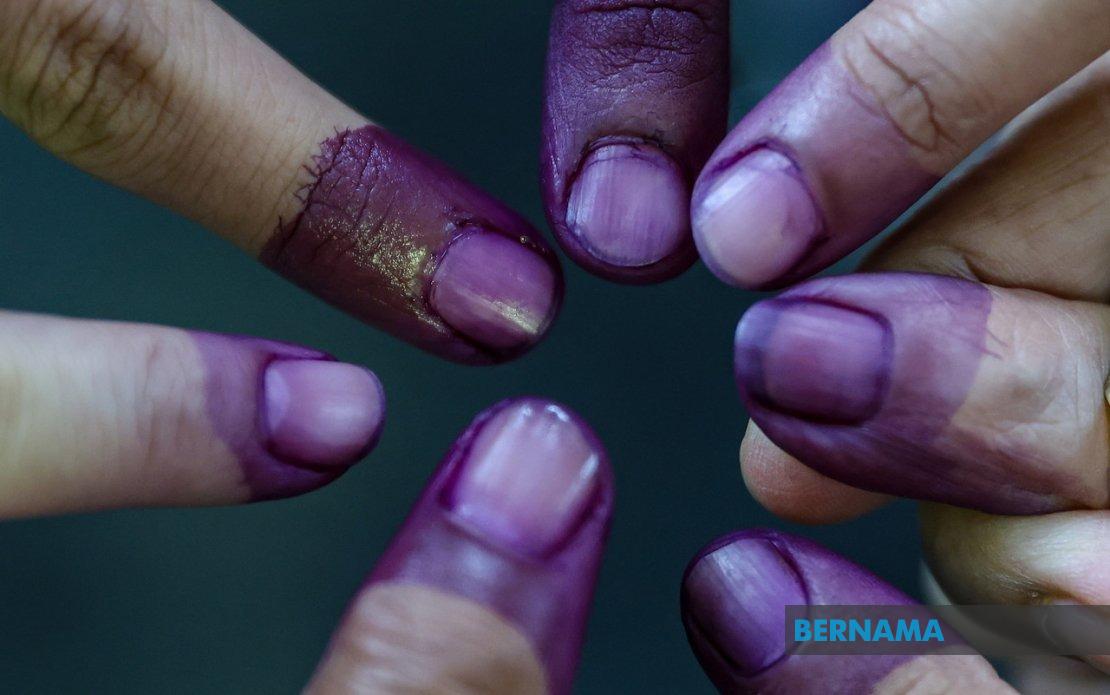
The 16th Johor state election has taken on an unexpectedly celebratory tone as major food and beverage retailers across the state seized the opportunity to reward civic participation with promotional deals targeted at voters sporting the telltale purple mark on their index fingers. This unconventional initiative transforms the indelible ink—a safeguard against electoral fraud—into a tangible token of appreciation for those who made the effort to cast their ballots on July 11.
The Election Commission's use of indelible ink represents a deliberate security measure with roots tracing back to the 2013 Kuala Besut by-election, when the practice was first implemented nationally. The permanent purple stain serves a critical function in preventing multiple voting and maintaining the integrity of Malaysia's electoral process. However, in Johor's latest election, this conventional procedural element has assumed a secondary cultural role, becoming a visible symbol that grants access to an informal reward economy that flourished throughout the day.
The Coffee Bean & Tea Leaf led the corporate participation by extending a 20 per cent discount on selected merchandise to any customer presenting their ink-marked finger, though the promotion remained valid only for election day itself. This time-limited offer created a sense of urgency that likely encouraged voters to visit participating outlets shortly after leaving polling stations. The strategy reflects a calculated decision by retailers to capitalise on high foot traffic and the goodwill associated with celebrating democratic engagement.
Krispy Kreme positioned itself as a particularly attractive destination for budget-conscious voters by offering an Original Glazed doughnut for just RM2 to those displaying their indelible ink at participating Johor locations, provided supplies remained available. This aggressive pricing—substantially below the typical retail cost—demonstrates how significantly retailers were willing to discount goods to position themselves within the election day narrative. Burger King extended its participation beyond the single voting day by offering complimentary Soft Serve Cone ice cream with any set meal purchase through the following day, suggesting the restaurant chain viewed the promotion as an opportunity to generate repeat customer visits rather than merely one-off sales.
Marrybrown's contribution of a free fried chicken piece with any MB Combo purchase upon presentation of an inked finger rounded out the major fast-food sector's involvement. The cumulative effect of these promotions created a palpable festive atmosphere at polling stations and along shopping thoroughfares across Johor. Voters began documenting their post-ballot shopping expeditions on social media from early morning onward, generating organic marketing coverage that extended the retailers' reach far beyond their immediate physical locations.
This grassroots celebration phenomenon reveals significant insight into contemporary Malaysian voting behaviour and corporate engagement with the electoral process. Rather than viewing voting as purely a civic obligation, the day's events reframed democratic participation as an occasion worthy of community-wide recognition and modest material incentives. The social media amplification of voters' experiences sharing their rewards suggests that Malaysians, particularly younger demographic cohorts, view election day participation as an experience to document and celebrate publicly rather than simply as a private act of civic duty.
The competitive retail participation also reflects sophisticated marketing awareness. By aligning their brands with electoral participation, these corporations positioned themselves as stakeholders in Malaysia's democratic health and community wellbeing. The relatively modest value of individual promotions—ranging from RM2 doughnuts to percentage discounts—meant that aggregate investment remained limited while brand association with civic values provided substantial intangible returns. This approach demonstrates how corporations can engage meaningfully with political events without making overtly political statements or contributions.
Johor commanded national attention on July 11 as more than 2.6 million registered voters participated in selecting representatives for the State Legislative Assembly's 56 seats. The electoral contest drew a substantial field of 172 candidates representing diverse political interests. Pakatan Harapan and Barisan Nasional each fielded complete slates of 56 candidates, positioning themselves as the primary contenders for control of the state government. Perikatan Nasional fielded 33 candidates, while newer entrants including Parti Bersama Malaysia, Muda, Parti Orang Asli Malaysia, and Parti Sosialis Malaysia fielded smaller contingents of 15, four, one, and one candidates respectively. Additionally, six independent candidates contested various seats, reflecting the competitive, fragmented nature of contemporary Malaysian state politics.
The indelible ink marks visible throughout Johor on election day served as daily reminders of Malaysia's evolving approach to electoral security and civic celebration. What originated as a practical anti-fraud measure has become embedded in the cultural experience of voting, now intertwined with retail promotions, social media documentation, and community recognition. The convergence of democratic process with commercial enterprise on Johor's election day illustrates how Malaysia's electoral occasions generate broader social and economic ripples extending well beyond legislative chambers and political calculations.

