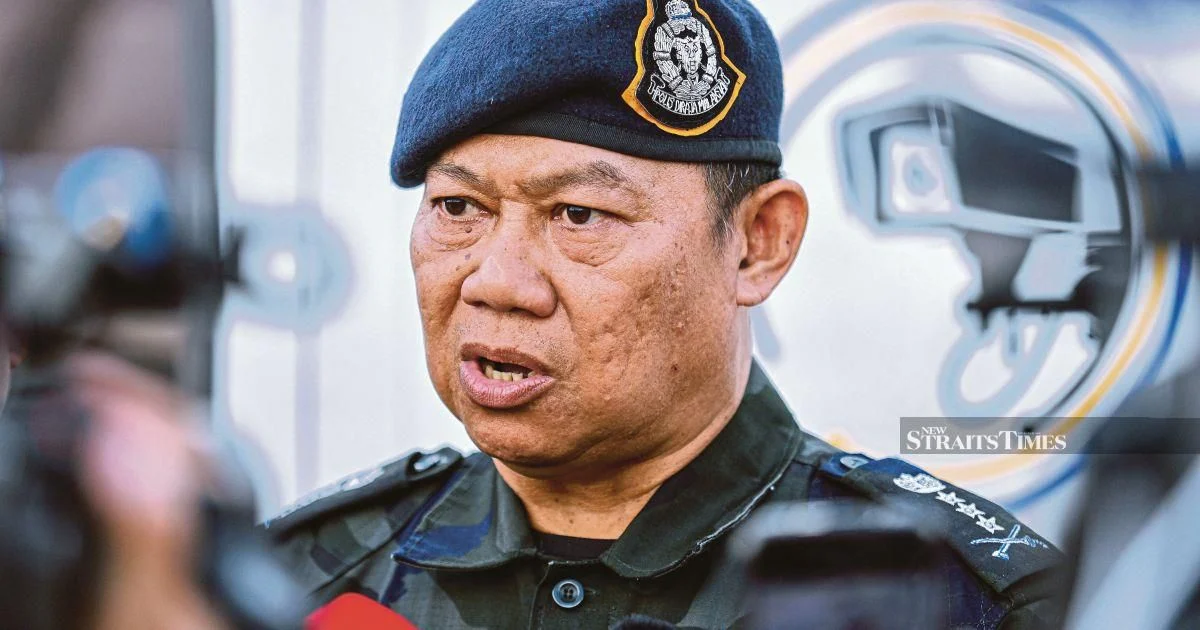
Election authorities in Johor have moved to investigate suspected breaches of electoral law, with police launching three formal investigation papers in response to reports filed since candidates were officially nominated for the state polls. The development reflects the heightened scrutiny that accompanies major electoral contests in Malaysia, where election commission rules and police protocols establish clear frameworks for handling complaints about campaign conduct and potential misconduct.
The emergence of investigation papers within days of nomination day underscores the vigilance expected during state-level elections across Malaysia. Johor, as the nation's second-largest state by population and a politically significant territory in Southeast Asia's largest integrated economic zone, typically experiences intense electoral competition. The initiation of probes so quickly into the campaign period suggests that either frontline enforcement officers have identified apparent violations through routine monitoring, or the public has been active in submitting concerns to authorities through established complaint channels.
Under Malaysia's Election Offences Act 1954 and related regulations, numerous activities are prohibited or restricted during nomination periods and official campaign phases. These restrictions encompass everything from illegal funding sources and undisclosed donations, to false statements about candidates, unauthorised campaign materials, and breaches of campaign spending limits. The breadth of potential electoral offences means that as campaigns intensify and more party workers engage in ground activities, the opportunities for inadvertent or deliberate violations multiply correspondingly.
The ratio of investigations to total reports—three investigation papers emerging from seven complaints—suggests that police have applied a filtering process. Not every complaint automatically triggers a formal investigation paper; authorities typically conduct preliminary assessments to determine whether allegations contain sufficient substance or prima facie evidence to warrant full investigation status. This proportionality indicates that the remaining four reports may either lack sufficient detail, fall outside police jurisdiction, or require further clarification before formal probes can be justified.
For Malaysian voters and political observers, the establishment of investigation papers carries significant implications. It demonstrates that electoral compliance mechanisms remain active and that breaches carry potential legal consequences for parties, candidates, and campaign organisers. This enforcement posture theoretically helps maintain the integrity of contests by establishing real rather than merely theoretical penalties for misconduct. In Johor's specific context, where competition between Barisan Nasional, Perikatan Nasional, and other coalitions has intensified in recent electoral cycles, the presence of active investigations may influence campaign strategy and messaging as parties weigh compliance risks against aggressive campaigning.
The investigation process itself typically unfolds over weeks or months, with police gathering statements, examining evidence, and consulting election commission officials before determining whether charges should be preferred. Johor police have not disclosed specific details about the nature of the three investigations, maintaining procedural confidentiality that is standard practice until cases are resolved or charges are filed. This opacity, while appropriate for protecting the integrity of ongoing investigations, also means that the public lacks immediate clarity about what types of offences triggered official action.
Historically, Johor election investigations have encompassed diverse violations. Previous state and federal electoral campaigns have seen probes into alleged vote-buying, distribution of election materials in prohibited areas, defamatory statements against candidates, illegal campaign financing, and misuse of government resources for campaigning. Without details, the current seven complaints and three investigations could involve any combination of these categories, though each tends to carry distinct evidentiary requirements and investigative timelines.
The timing is particularly relevant for understanding electoral dynamics in Malaysia's constitutional monarchy system. Johor's state government operates under its own constitutional framework and state election commission oversight, meaning that while federal police conduct investigations, their work intersects with state-level electoral regulation. This multi-layered governance structure requires coordination between federal police in Johor, state-level election officials, and potentially the Election Commission headquarters in Kuala Lumpur, depending on the nature of alleged offences.
For regional observers and international election monitors, the Malaysian experience in Johor provides insights into how Southeast Asian democracies balance electoral freedom with regulatory enforcement. The existence of investigation mechanisms and the willingness of authorities to pursue violations represents one element of electoral administration. However, the capacity, impartiality, and timeliness of investigations—factors that remain difficult to assess without specific case details—ultimately determine whether enforcement frameworks genuinely constrain misconduct or function primarily as symbolic assertions of electoral oversight.
As the Johor campaign continues, both the number of investigation papers and their ultimate outcomes will serve as indicators of electoral health. Rapid increases in investigations could signal either mounting violations or heightened enforcement intensity. Conversely, investigations that proceed too slowly or culminate in minimal consequences might suggest insufficient capacity or commitment to compliance within the election system. The three active investigation papers represent an early signal that authorities are engaged in this oversight function, though sustained attention throughout the campaign period will be necessary to establish whether these initial actions reflect sustained enforcement commitment.
Parties contesting the Johor polls are undoubtedly monitoring these developments closely, as investigation papers and potential subsequent charges create political complications beyond mere legal jeopardy. Candidates or party officials under investigation face reputational damage that can undermine voter confidence, while parties themselves may face regulatory penalties including funding restrictions or candidate eligibility challenges. These cascading consequences of investigation mean that even cases that ultimately result in acquittal or withdrawal can impact electoral prospects, incentivising campaign teams to maintain rigorous internal compliance oversight.

