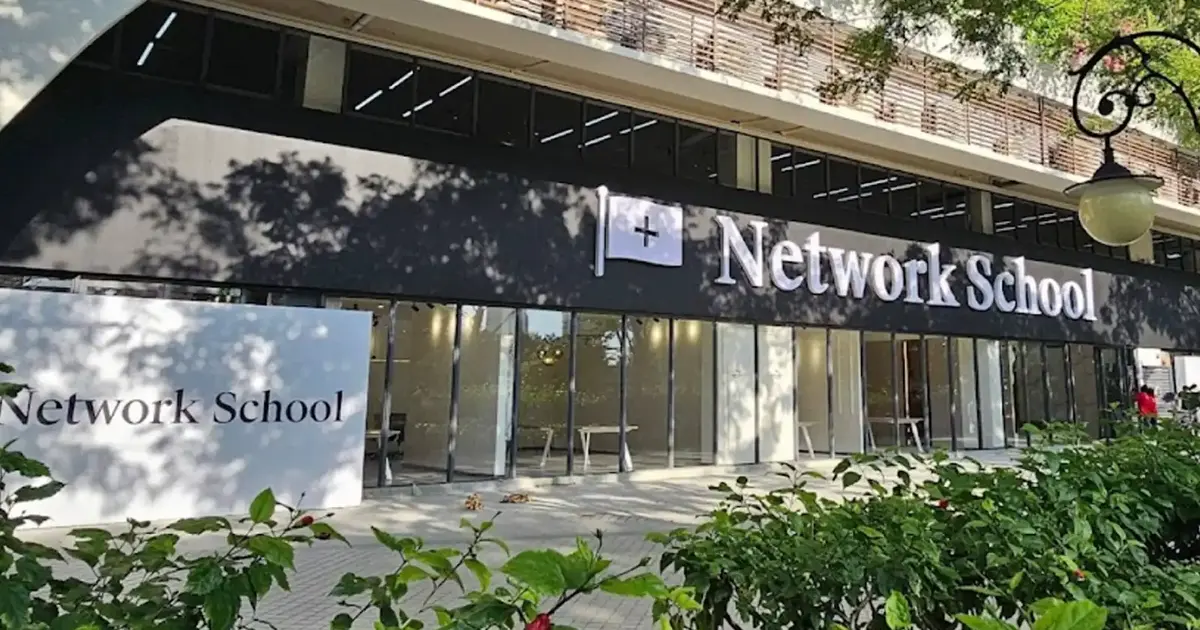
Johor's Menteri Besar Onn Hafiz Ghazi has escalated concerns about the Network School programme by demanding that federal authorities launch a formal investigation into allegations that Israeli nationals have participated by presenting themselves with second-country passports. The demand underscores growing scrutiny of the educational initiative and its participant vetting mechanisms, issues that have attracted considerable attention within Malaysian political and civil society circles.
The allegation suggests a potential circumvention of entry protocols and raises fundamental questions about the robustness of identity verification procedures implemented by the programme's administrators. If substantiated, such claims would indicate that individuals from nations where Malaysia does not maintain diplomatic relations were able to gain access to a Malaysian educational platform through documentation inconsistencies. This scenario has prompted calls for a comprehensive audit of the scheme's participant records and verification standards.
The Network School programme has been a point of discussion in Malaysia's education landscape, particularly given the country's long-standing foreign policy positions and sensitivities around Israeli-Palestinian matters. Any involvement by Israeli nationals in such an initiative, whether through direct participation or indirect means, carries significant diplomatic and social implications that extend beyond institutional compliance matters. Educational programmes receiving public attention or resources naturally fall under heightened scrutiny regarding their international participant composition.
Onn Hafiz Ghazi's intervention represents a shift from institutional inquiry to executive action, with the Menteri Besar positioning the matter as one requiring intervention at the federal level rather than remaining confined to state or local administrative channels. This escalation suggests that Johor's leadership views the allegations as sufficiently serious to warrant investigation by authorities with broader jurisdictional reach and investigative capacity. The move also reflects the politicisation of the issue and its resonance within state-level governance considerations.
The use of second-country passports as a means of circumventing restrictions or disguising nationality represents a security concern that extends beyond the specific educational context. Immigration authorities and national security agencies typically regard such practices with substantial seriousness, as they undermine the integrity of border control systems and identity verification processes that are fundamental to national sovereignty and public safety management.
For Malaysian readers and observers, this situation illustrates the ongoing tension between Malaysia's commitment to international educational exchange and collaboration on one hand, and its principled stance on certain geopolitical issues on the other. Educational institutions and programmes operating within Malaysia must navigate these sensitivities while maintaining transparent operational standards that satisfy both international best practices and domestic policy expectations.
The investigation that Onn Hafiz has called for would likely examine multiple dimensions of the Network School's operations, including recruitment procedures, document verification protocols, participant background checks, and institutional governance structures. Such an inquiry could yield recommendations for strengthening oversight mechanisms across similar educational initiatives operating in Malaysia, potentially establishing precedents for how federal authorities evaluate foreign participation in domestic programmes.
The timing of these allegations and the resultant investigation demand occur within a broader regional context where Southeast Asian nations increasingly scrutinise foreign participation in educational and cultural exchange programmes. Malaysia's approach to this specific matter may establish informal benchmarks that other countries in the region observe when developing their own institutional protocols for managing international participant involvement.
For international educational institutions and exchange programmes operating in Malaysia, the Network School situation serves as a reminder that operational transparency and robust verification procedures are not merely administrative conveniences but essential elements of maintaining stakeholder trust and regulatory compliance. Programmes must be prepared to demonstrate the integrity of their participant databases and the legitimacy of identity documentation submitted during enrollment processes.
The investigation Onn Hafiz has requested will likely be conducted under existing federal legal frameworks governing educational institutions and border security matters. The outcomes could potentially influence policy development regarding international participation in Malaysian educational programmes, whether through revised guidelines, enhanced monitoring mechanisms, or modified verification standards applicable across multiple institutions and programme types.
Beyond the immediate institutional implications, this matter reflects deeper questions about how Malaysia balances its role as an educational hub within Southeast Asia while maintaining its distinct diplomatic positions and national sensitivities. The resolution of the Network School investigation will provide insights into how federal authorities approach similar situations and may inform how educational institutions calibrate their international engagement strategies moving forward.

