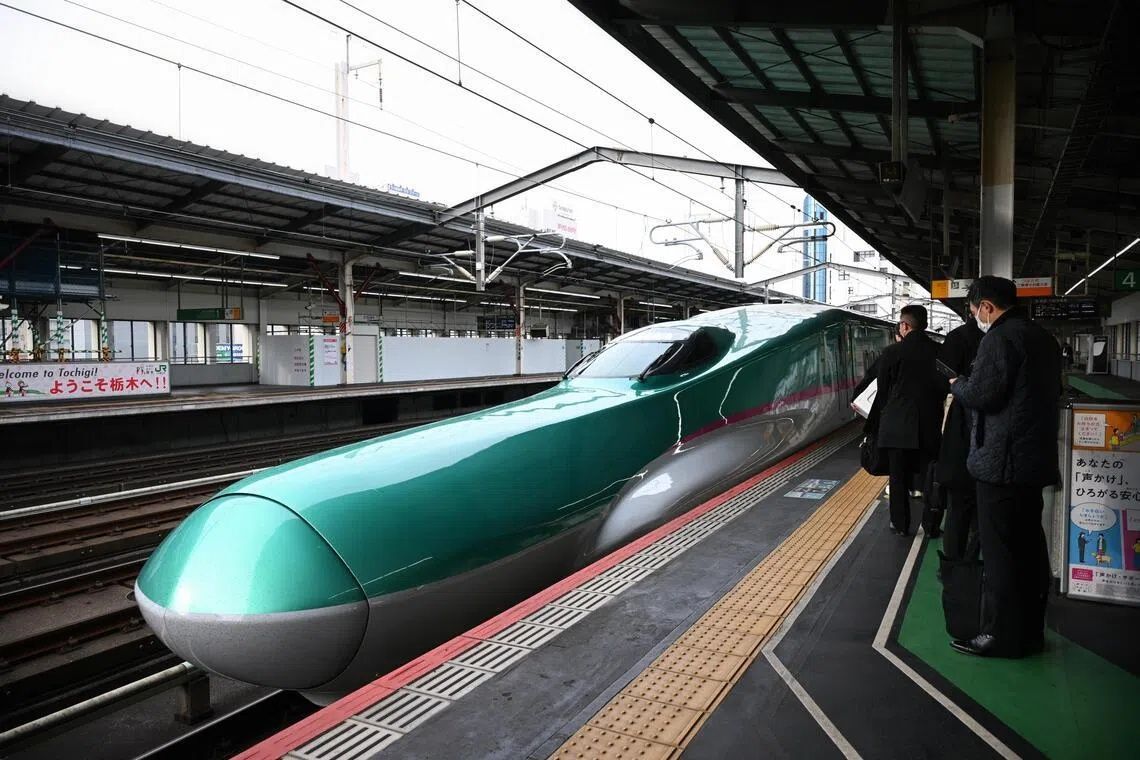
A shinkansen bullet train struck a bear while traversing the JR Ou Line in Japan's Akita prefecture on the morning of Tuesday, June 30, triggering an emergency stop at approximately 7.30am local time. The collision occurred between Wada and Ugo-Sakai stations on a service route connecting Akita with Tokyo, prompting immediate intervention from the train's operations team. Despite the dramatic nature of the incident, neither passengers nor crew members sustained injuries, and the train itself remained mechanically sound following the impact.
According to a statement from East Japan Railway's Akita branch, the shinkansen remained stationary at the collision site for roughly five minutes while personnel assessed the situation. Once the initial assessment was complete, the train proceeded toward Ugo-Sakai station at a reduced speed, indicating caution on the part of railway operators even after the immediate crisis had passed. The decision to move the train deliberately rather than call for a replacement service reflected confidence in the vehicle's continued operational integrity.
Approximately 200 passengers and crew members occupied the train at the time of the collision, representing a substantial passenger load for the early morning departure. The railway's swift response in keeping injuries at zero across such a large group underscores both the structural robustness of modern shinkansen technology and the effectiveness of the train's safety systems. The incident raised no reported complaints from passengers regarding their treatment during the unexpected disruption.
The shinkansen service across this corridor resumed normal operations shortly after 8am, following comprehensive technical inspections that confirmed no abnormalities or safety concerns. East Japan Railway conducted these checks to verify the integrity of the train's systems before returning it to regular scheduled service. The relatively quick turnaround from emergency stop to full operational status demonstrated the efficiency of the railway's maintenance protocols and the durability of the equipment involved.
The East Japan Railway's Akita branch, which oversees rail operations throughout the prefecture, manages both the shinkansen network and local rail lines serving the region. This comprehensive operational oversight allowed for coordinated response during the incident and facilitated the resumption of service once conditions permitted. The branch's responsibilities encompass ensuring safety and reliability across diverse rail infrastructure serving the Akita region's transportation needs.
Wildlife encounters with trains represent an occasional hazard in rail operations globally, particularly in regions where animal habitats intersect with transportation corridors. While the Akita incident resulted in no human casualties or injuries, it highlights the challenges that railway operators face in maintaining service through areas where wildlife populations remain active. Bears, particularly in northern Japan, occasionally venture into proximity with human infrastructure during seasonal migration or foraging patterns.
The incident occurred on a route connecting major population centers, underscoring how transportation infrastructure must coexist with natural ecosystems even in heavily developed areas. The shinkansen's design and operational protocols, developed over decades of operation, appear to provide sufficient protection for passengers and crew during such unexpected wildlife collisions. The absence of passenger injuries despite the dramatic nature of the impact reflects the engineering principles underlying Japan's renowned high-speed rail systems.
From a regional Southeast Asian perspective, this incident offers insights into how developed nations manage the intersection of advanced transportation infrastructure and wildlife conservation concerns. Malaysia and other regional countries increasingly face similar challenges as rail networks expand through diverse landscapes. The Japanese response demonstrates that modern rail systems can accommodate unexpected environmental factors while maintaining passenger safety and service continuity.
The incident's resolution within a few hours minimized disruption to the broader transportation network serving Akita and the Tokyo corridor. While individual passengers experienced delays, the railway's preparedness and the train's structural integrity ensured that the situation remained manageable. This capacity to absorb unexpected incidents without cascading system-wide failures reflects the maturity of Japan's rail infrastructure and operational practices.
Government safety protocols for rail operations in Japan require thorough investigation of any collision incident, regardless of whether injuries occurred. The rapid approval for resumed service indicates that preliminary assessments satisfied regulatory requirements and that officials found no evidence of ongoing safety risks. This regulatory framework, which prioritizes thorough inspection before operations resume, has contributed to Japan's world-leading safety record in rail transportation.
The bear involved in the collision did not survive the impact with the moving train, a consequence consistent with the physical realities of such encounters. Wildlife management officials may conduct further investigation into the circumstances that brought the animal into proximity with the active railway line, though such incidents typically occur too rapidly for intervention. The broader question of managing animal-human infrastructure coexistence in populated regions remains relevant for transportation planners throughout East Asia and beyond.
Looking forward, the incident serves as a reminder that even the most technologically advanced transportation systems must contend with natural world unpredictability. Japanese railways will likely continue their existing protocols for wildlife management in areas where tracks pass through animal habitats. For passengers and operators, the incident reinforced confidence in the shinkansen's ability to handle emergencies while maintaining the safety of those aboard.

