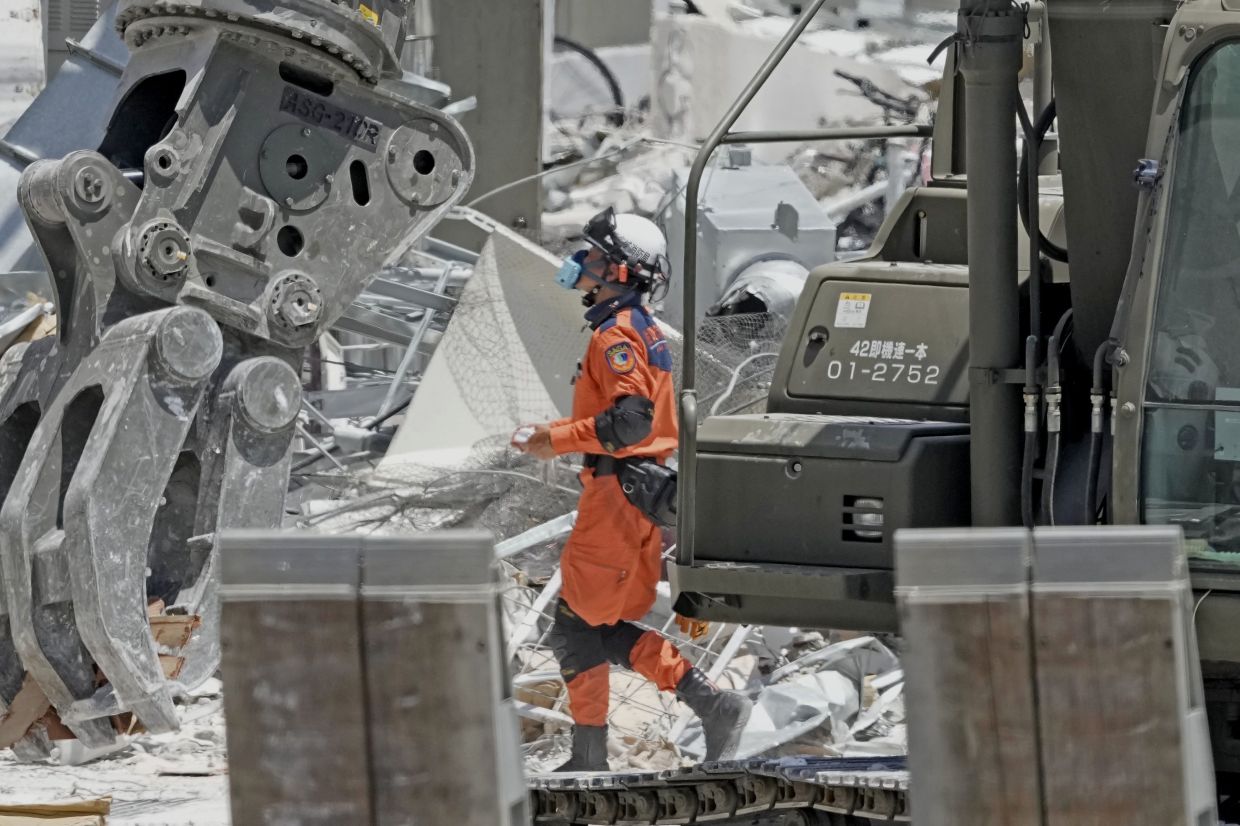
A shopping complex in Japan's Kumamoto Prefecture suffered a catastrophic explosion in late July, with government investigators now pointing to a liquefied petroleum gas leak as the likely culprit. Japan's Economy, Trade and Industry Ministry made the assessment public on August 5, more than a week after the incident occurred at Aeon Mall Kumamoto. The blast, which claimed three lives among employees working at retail outlets within the mall, has prompted a wider examination of how buildings in seismically active regions manage hazardous materials in the aftermath of significant earthquakes.
The disaster unfolded roughly 80 minutes after a substantial earthquake struck the region on July 28. The explosion erupted around 5:50pm that evening, with particular force concentrated in the central portion of the mall's second floor on the south side. The timing raises critical questions about how building infrastructure responds to seismic stress, and whether conventional inspection protocols adequately account for delayed hazard manifestation following tremors. Rescue personnel and emergency responders who subsequently entered the building detected a distinct gas odour, corroborating initial suspicions about a hydrocarbon-related incident.
According to Aeon's facilities documentation, the mall's tenants relied heavily on liquefied petroleum gas for essential operations. Multiple restaurants situated along the north side of the first floor utilised LPG for cooking purposes, whilst a food court positioned on the eastern section of the second floor maintained similar infrastructure. Beyond culinary applications, the facility also employed the gas for air conditioning systems serving the complex. This distributed network of gas-dependent operations created multiple potential vulnerability points throughout the building, each requiring proper containment and supply integrity.
The gas supply chain begins with a substantial storage tank holding 9,367 kilograms of LPG situated on the mall's premises. From this reservoir, pressurised gas travels through underground piping before distributing throughout the building via an intricate network of channels embedded within floors and interior walls. This design, whilst typical for large commercial facilities throughout East Asia, concentrates significant hazard potential throughout the structure's skeleton. Any rupture or disconnection anywhere along this extensive piping matrix could allow gas to accumulate within enclosed spaces, creating the preconditions for an explosion.
Investigators have focused particular attention on residual gas potentially trapped within the internal piping network rather than the main storage tank itself. Documentation indicates that the primary storage reservoir maintained approximately normal operational levels at the time of the incident, suggesting the leak originated elsewhere in the distribution system. The prevailing theory proposes that physical stress from the earthquake may have compromised pipe joints or seals at various points throughout the building's infrastructure, allowing pressurised gas to escape into the surrounding enclosed spaces without immediate detection or venting.
Over the course of roughly 80 minutes between the earthquake and the explosion, gas accumulated in concentrated pockets throughout the second floor's central area. The accumulation likely reached explosive concentration thresholds before encountering an ignition source—possibly an electrical spark from building systems, equipment malfunction, or other environmental trigger. The resulting detonation devastated the affected zone with sufficient force to inflict fatal injuries on three workers present in nearby commercial spaces, whilst also causing extensive structural damage requiring comprehensive investigation of the building's overall integrity.
Such incidents carry particular resonance across Southeast Asia and the wider Pacific region, where seismic activity remains an ongoing hazard for densely populated commercial districts. Malaysia, whilst less prone to major earthquakes than Japan, nevertheless maintains numerous large shopping complexes and industrial facilities with comparable gas infrastructure. The Kumamoto case illustrates how conventional safety systems designed for static conditions may prove inadequate when combined with seismic disturbance, especially when inspection protocols fail to account for delayed hazard emergence in the aftermath of tremors.
The investigation into the precise origin of the leak remains ongoing, with prefectural police and fire authorities collaborating to determine exact fracture points or disconnection sites within the piping infrastructure. Engineers will likely examine whether maintenance records, inspection frequencies, and pipe material specifications met contemporary standards for seismic resilience. Questions may also arise regarding whether facility operators possessed adequate training and procedures for identifying and responding to potential gas emergencies in earthquake conditions.
This incident underscores broader questions about infrastructure vulnerability in earthquake-prone regions. Building codes and safety regulations typically assume static conditions during their design phase, yet infrastructure must often function in genuinely dynamic circumstances. The delay between seismic event and explosion suggests that immediate post-earthquake inspection protocols, if they existed, failed to identify the developing hazard. For Malaysian property managers and facility operators overseeing buildings with gas-dependent systems, the Kumamoto case provides a cautionary reminder about the necessity for comprehensive disaster response planning that extends well beyond the initial seismic shock.

