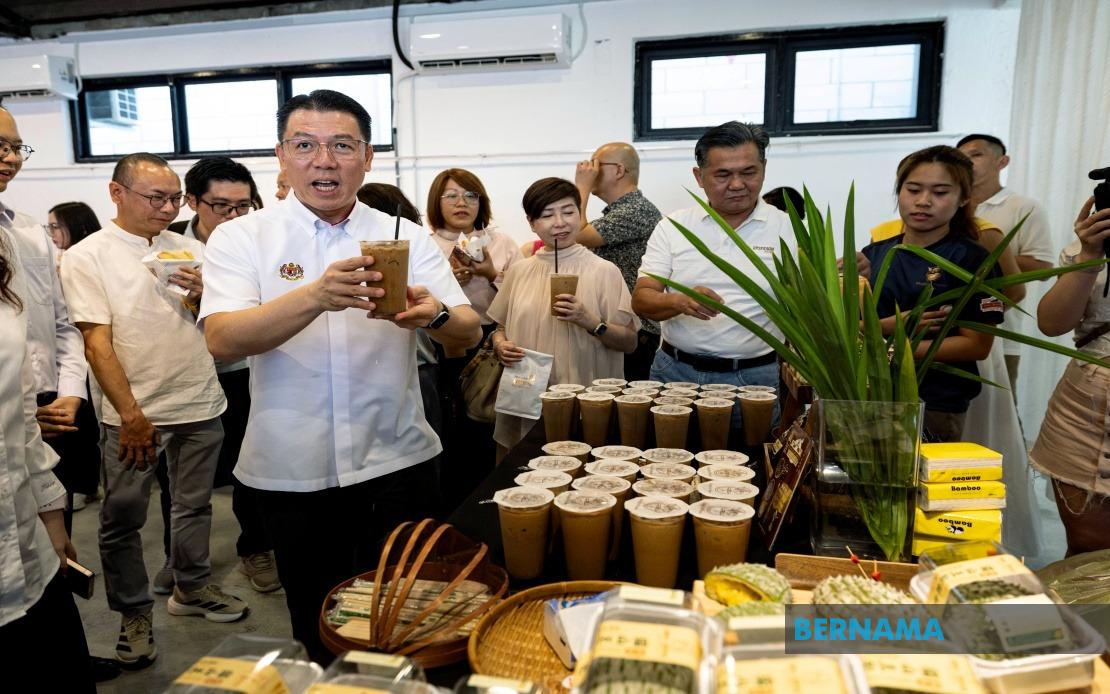
Ipoh's culinary landscape will take centre stage later this month as the city prepares to host the Jom Makan Ipoh 2026 Expo, an initiative that frames food as a powerful instrument binding together Malaysia's diverse communities. Housing and Local Government Minister Nga Kor Ming unveiled the pre-launch details of the three-day festival, emphasising how gastronomy transcends ethnic and cultural boundaries to foster genuine unity among the nation's multi-racial population. The exposition, timed to coincide with Merdeka Month celebrations, represents a deliberate strategy to leverage Malaysia's rich and varied food traditions as both a tourism asset and a symbol of national cohesion.
The festival will operate from August 28 to 30, running nightly from 5 pm to 11 pm at Palo 101, with organisers anticipating more than 20,000 visitors. The Kepayang constituency service centre, alongside several strategic partners, has curated a comprehensive programme that balances preservation of traditional culinary practices with modern gastronomic innovation. This dual approach reflects a growing recognition among Malaysian policymakers that heritage food cultures merit serious conservation efforts, particularly as rapid urbanisation and changing consumption patterns threaten traditional recipes and preparation methods that have defined communities for generations.
The expo will feature over 50 food and agricultural product stalls, with particular emphasis on twelve signature Ipoh specialities that have become synonymous with the northern city's identity. Offerings will span iconic items such as Laksa Buyong, the region's celebrated white coffee, nasi ayam taugeh, and puding taufu, alongside selections of traditional street food and locally-produced agricultural goods. This curation ensures visitors encounter both recognisable favourites and lesser-known culinary gems, creating opportunities for cross-cultural appreciation and the discovery of shared taste preferences that unite rather than divide communities.
Nga stressed that the expo extends beyond simple food consumption to encompass serious cultural documentation and education. Six dedicated Ipoh Food Culture Galleries will trace the historical evolution of local gastronomic traditions, with dedicated exhibits exploring themes including the influence of tin mining era on regional cuisine, the cultural significance of kacang putih, the heritage of sambal and ulam preparations, and the colonial-era origins of Ipoh white coffee. These galleries transform the festival into an interactive museum experience, enabling visitors—whether domestic or international—to understand the socioeconomic and historical forces that shaped each culinary tradition.
The programming strategy reflects contemporary approaches to cultural tourism that prioritise experiential learning and emotional engagement. Interspersed among the food stalls and galleries will be regular stage performances featuring cultural presentations from various ethnic groups, creating visual and auditory dimensions that complement the predominantly gustatory experience. This multi-sensory approach acknowledges that food culture exists within broader contexts of music, dance, storytelling, and artistic expression, allowing visitors to appreciate cuisine not as isolated dishes but as expressions of community identity and values.
A series of "Food Talks Ipoh" sharing sessions will provide platforms for veteran cooks, food historians, and cultural custodians to discuss the significance of particular dishes and their evolving roles in contemporary Malaysian society. These conversations carry particular relevance for younger generations who may lack direct exposure to traditional food preparation methods and the social rituals accompanying family meals. By documenting and celebrating these narratives, the expo helps counteract the erosion of culinary knowledge that accompanies rapid generational transitions in urban areas.
The festival's technological dimension will debut the Ipoh QR Digital Food Map, a digital resource enabling visitors to access detailed information about food heritage and vendor locations through their smartphones. This innovation bridges traditional and contemporary cultures, allowing those interested in deeper engagement with culinary history to supplement their physical experience with detailed context and background information. The digital tool also extends the expo's reach beyond the three-day event period, potentially sustaining interest and encouraging repeat visits to Ipoh's food establishments.
Mga's characterisation of food as a "catalyst for national unity" aligns with Malaysia's international branding strategy under the "Malaysia, Truly Asia" slogan. The expo demonstrates how cultural heritage—specifically gastronomy—can serve simultaneously as authentic expression of local identity and as accessible entry point for international tourism. This positioning proves particularly valuable for secondary cities like Ipoh that compete with Kuala Lumpur and Penang for tourist attention and economic investment.
The festival also acknowledges evolving tensions between tradition and innovation in Malaysian food culture. The emphasis on combining "traditional and innovative dishes" recognises that culinary heritage remains living and dynamic rather than frozen in museum-like preservation. Young chefs experimenting with contemporary techniques while honouring ancestral recipes represent a legitimate evolution of food culture, and the expo's programming decisions suggest organisers understand this continuity.
For the broader Southeast Asian context, Ipoh's approach offers instructive lessons about leveraging intangible cultural heritage for economic and social benefit. As regional nations compete to establish themselves as culinary destinations, initiatives that deepen rather than superficialise engagement with food traditions demonstrate sophisticated cultural stewardship. The expo's commitment to education alongside entertainment suggests an understanding that sustainable cultural tourism requires genuine conservation of knowledge systems alongside commercial success.
The confirmation of fireworks at the closing ceremony underscores the festival's status as civic celebration rather than merely commercial venture. By framing the expo as part of national festivities rather than isolated commercial event, organisers signal that culinary heritage preservation constitutes important state business deserving of resources and ceremonial recognition. This positioning may influence other Malaysian states to develop comparable initiatives, potentially contributing to more systematic documentation and celebration of regional food traditions across the nation.

