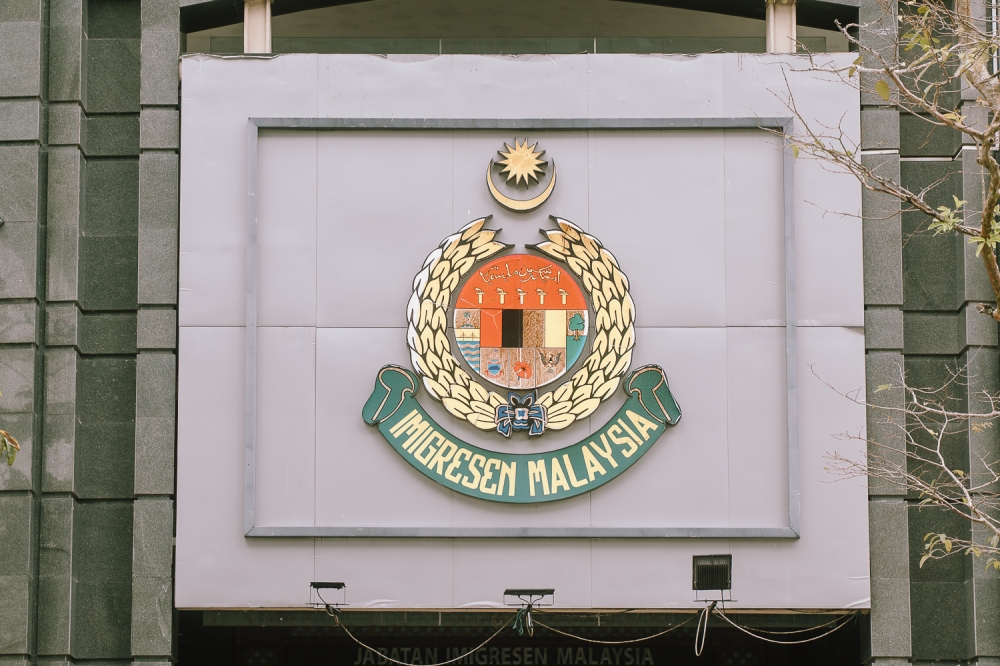
The Malaysian Immigration Department (JIM) has successfully dismantled a significant passport forgery network operating in Kuala Lumpur, culminating in the arrest of three Indonesian nationals during a series of targeted raids. The operation represents a major interdiction in the region's ongoing battle against document fraud, a persistent challenge for Southeast Asian authorities seeking to maintain border security and prevent irregular migration. The suspects, detained following operational intelligence work, are believed to have been orchestrating the production and distribution of counterfeit travel documents with considerable sophistication.
Authorities recovered a substantial cache of 119 forged passports during the enforcement action, indicating the scope and scale of the criminal enterprise under investigation. The seizure underscores the vulnerability of travel document systems to exploitation by organised crime networks, despite ongoing efforts by regional governments to strengthen authentication mechanisms and detection capabilities. Immigration officials have indicated that the confiscated documents were destined for use by individuals seeking to circumvent standard border control procedures, a concern that extends across international boundaries given the cross-border nature of such criminal activity.
The three detainees, identified as Indonesian nationals, are believed to have occupied different roles within the syndicate's operational structure. Investigators are examining whether the group operated independently or maintained connections to larger transnational trafficking networks known to operate across Southeast Asia. The Department has not disclosed the specific roles attributed to each suspect, though preliminary investigations suggest a division of labour consistent with organised document fraud operations, potentially including roles such as document production, distribution, and customer liaison.
Passport forgery and document trafficking represent persistent law enforcement challenges throughout the region, driven by demand from individuals seeking to enter countries through fraudulent means or to obscure their true identities for various unlawful purposes. The economic incentives are substantial, with criminal networks charging significant fees for forged documents that can command prices substantially higher than legitimate passports. This financial motivation ensures that such operations attract repeat offenders and sophisticated criminal organisations capable of sourcing specialised equipment and materials.
Malaysia's porous borders and position as a regional transit hub have historically made the country a focal point for document fraud activities. Criminal networks exploit the country's sophisticated infrastructure and cosmopolitan population to establish production facilities and distribution networks. The Immigration Department's success in identifying and dismantling this particular operation reflects improved intelligence-gathering capabilities and inter-agency coordination, though officials acknowledge that additional clandestine operations may remain undetected.
The recovered forged documents raise questions about their intended distribution networks and ultimate end-users. Preliminary investigations will likely focus on identifying customers who may have already purchased counterfeit passports from the syndicate, potentially requiring follow-up enforcement action across national borders. Regional intelligence-sharing arrangements will become crucial in tracking whether individuals have successfully departed Malaysia using fraudulent documents, a scenario that would necessitate alerts to international partners and Interpol.
The Immigration Department's operation highlights the technical sophistication of modern document forgery, which increasingly incorporates advanced security features such as holograms, microprinting, and digital elements designed to replicate official passports. Staying ahead of such technological adaptation requires continuous investment in staff training, forensic capabilities, and equipment to identify emerging counterfeiting techniques. The Department has signalled commitment to upgrading detection methodologies through ongoing collaboration with international partners and technology providers specialising in document authentication.
This bust arrives amid broader regional efforts to combat irregular migration and human trafficking networks that frequently rely on forged documents to facilitate movement of vulnerable individuals. International organisations have emphasised that document fraud serves as a critical enabling factor for trafficking operations, making the dismantling of forgery syndicates strategically important for combating human rights abuses. Malaysia's enforcement action thus contributes to wider regional security objectives beyond conventional border control.
The arrests and seizure will likely result in criminal charges under relevant provisions of Malaysia's immigration and document fraud legislation, potentially carrying substantial prison sentences if convictions are secured. The cases will probably proceed through Malaysia's legal system during coming months, with outcomes potentially influenced by the comprehensiveness of evidence gathered during the raids. Successful prosecution could generate deterrent effects and public awareness of enforcement capabilities, though experienced criminals typically view such risks as manageable operational costs.
The incident reinforces the need for continued vigilance and resource allocation toward combating document crimes, which remain economically attractive to criminal entrepreneurs despite enforcement efforts. Malaysia, as a signatory to various international conventions on travel documents and border security, has committed to maintaining high standards in document authentication and fraud prevention. This operation demonstrates practical commitment to those obligations, though authorities privately acknowledge that detection rates remain imperfect and that unidentified operations likely continue throughout the region.

