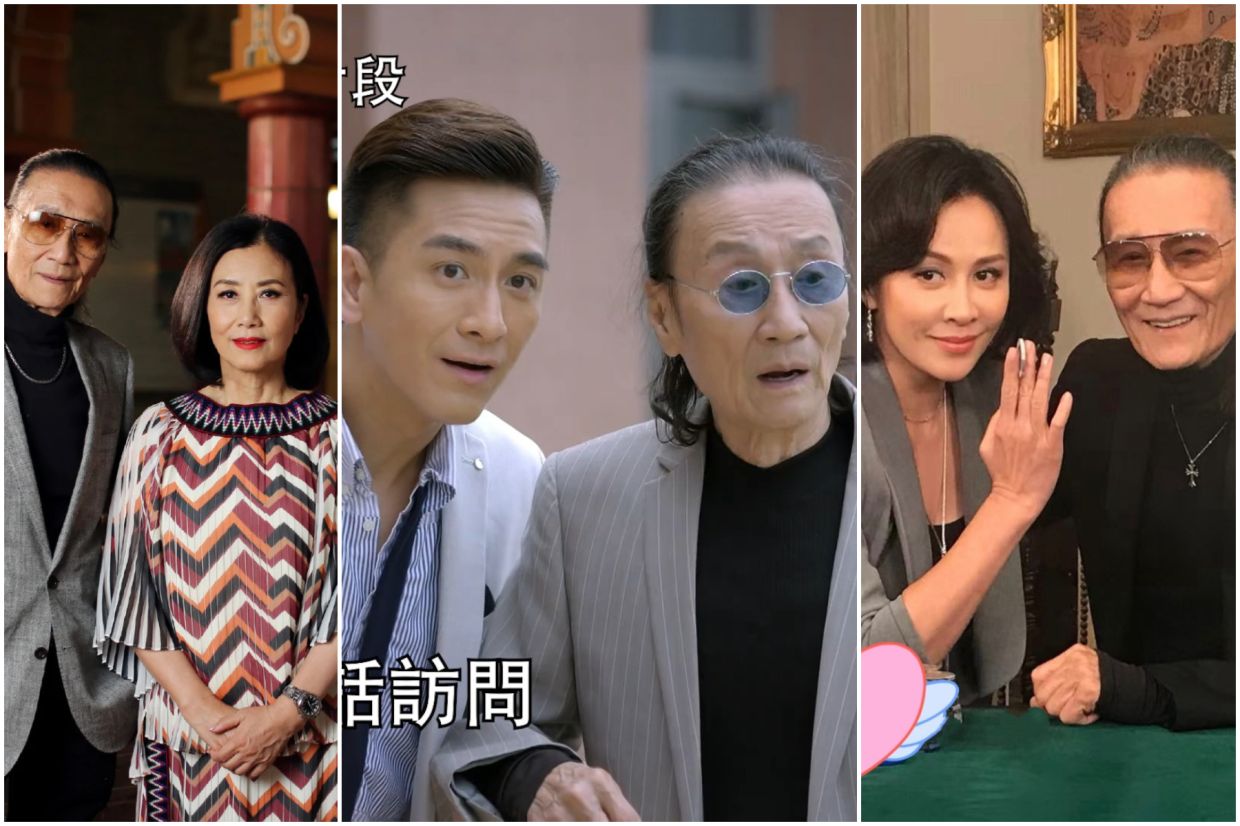
The Hong Kong entertainment industry continues to reel from the loss of Patrick Tse, one of the most celebrated actors in the city's storied film and television history. The screen legend, affectionately nicknamed Sei Gor or 'Fourth Brother' by colleagues and fans alike, succumbed to pneumonia on July 16 at the age of 89. His family made the announcement public four days later, prompting an outpouring of grief and reminiscence from across the entertainment sector and beyond.
Carina Lau, herself one of Hong Kong's most accomplished actresses, shared her sentiments through Instagram, posting intimate photographs alongside heartfelt words. She painted a portrait of an individual whose influence transcended mere acting prowess, emphasizing the wit, elegance, and distinguished composure that defined his personal and professional demeanor. Lau's tribute underscored Tse's towering legacy within Hong Kong cinema, characterizing his contributions as extraordinary gifts to both his peers and the industry as a whole. The post resonated particularly because it featured her husband, Tony Leung Chiu Wai, with the late actor, suggesting the breadth of Tse's relationships within entertainment circles.
Liza Wang, a veteran actress with decades of experience in television drama, spoke from a position of intimate professional kinship. Having starred alongside Tse in numerous TVB productions, Wang held a unique position in his life as both collaborator and family member, serving as godmother to his daughter Jennifer Tse. She characterized him as genuinely one of the industry's most cherished figures, someone whose kindness extended beyond scripted scenes into everyday interactions. Wang recalled how Tse consistently demonstrated mentorship on set, willingly imparting professional wisdom and extending personal care to those he worked with. Her memories painted a picture of someone whose personal magnetism and gentlemanly bearing created lasting impressions that would endure long after projects concluded.
Michelle Ye, who transitioned from television work into other ventures, reflected on their time together while working on a 2005 television drama. She drew a more personal connection, describing how Tse's presence in her professional life filled an emotional void stemming from her own childhood experiences. This testimony revealed a dimension of Tse's character beyond the public persona—his ability to provide emotional support and fatherly guidance to younger colleagues navigating the pressures of entertainment careers. Such recollections suggest that his influence extended into the personal development of those around him, transcending conventional workplace relationships.
Kenneth Ma, representing a younger generation of performers, offered perspectives grounded in more recent professional encounters. Working with Tse on director Wong Jing's 2017 television production, Ma witnessed firsthand the veteran actor's commitment to his craft despite advancing years. Most striking was Tse's insistence on performing his own action sequences, a decision that impressed Ma and prompted reflection on what constitutes professional dedication. Ma openly acknowledged that Tse's approach to his work provided a model worthy of emulation, demonstrating that commitment to excellence need not diminish with age. His recollections also highlighted Tse's capacity for playfulness and enjoyment on set, suggesting that professionalism and interpersonal warmth were not mutually exclusive in his approach.
Director Wong Jing, who collaborated with Tse across multiple decades, offered perhaps the most historically contextualized perspective. Wong described Tse as the most dashing male star in Hong Kong's cinematic history—a bold assertion that speaks to Tse's distinctive appeal and cultural significance within the region's entertainment landscape. Their relationship spanned nearly five decades, having begun in 1977 when Wong was still a fledgling screenwriter at TVB, barely in his twenties. During those formative years, Tse would invite Wong to drive around Hong Kong in his Mercedes-Benz sports car, using casual coffee breaks as opportunities to discuss the art of filmmaking.
These informal mentoring sessions produced insights that Wong treasured throughout his career. Most significantly, Tse imparted a philosophy about stardom that encapsulated his own approach to longevity in entertainment: once you achieve recognition, you must sustain excellence perpetually. This statement reflects a worldview where celebrity status carries inherent responsibilities and demands unwavering dedication. Wong credited this single piece of advice with shaping his understanding of what it means to work at the highest levels of the entertainment industry. The fact that this remark remained foremost in Wong's memory decades later underscores its profound impact on his creative trajectory.
The collective tributes from these prominent figures reveal several consistent themes about Tse's character and professional approach. He emerges not merely as a talented performer but as someone who genuinely invested in those around him, offering both technical knowledge and personal warmth. His willingness to perform dangerous scenes himself at an advanced age challenged contemporary notions about limitations imposed by aging. Perhaps most importantly, Tse seemed to understand that entertainment careers require both artistic excellence and human connection, refusing to separate technical mastery from genuine kindness.
For Malaysian audiences and Southeast Asian entertainment enthusiasts more broadly, Tse's passing marks the end of an era. Hong Kong cinema has been a cultural touchstone across the region for generations, and Tse exemplified the caliber of talent that elevated the industry to international prominence. His influence extended beyond screen performances into the broader ecosystem of the industry, mentoring directors, actors, and production professionals. The eulogies suggest someone who viewed his success not as personal achievement to be guarded jealously, but as responsibility to elevate those fortunate enough to work alongside him. As Hong Kong's entertainment community continues grieving, Tse's example—of sustained excellence, genuine mentorship, and unfailing grace—endures as his most enduring contribution.

