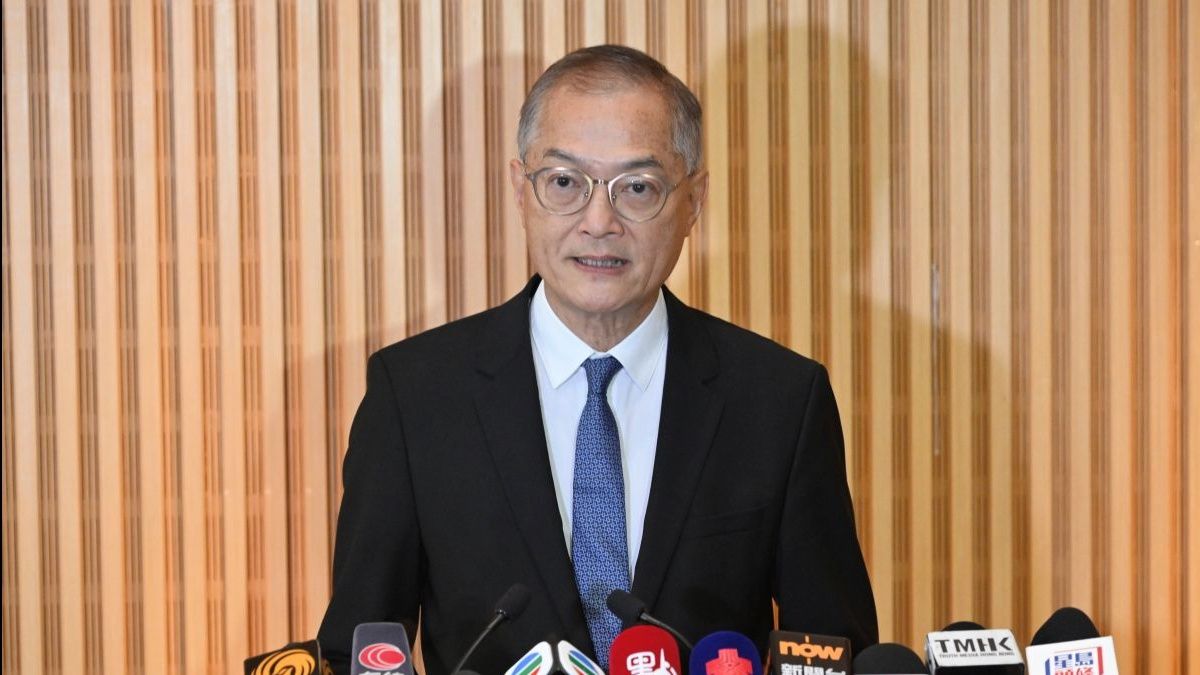
Hong Kong's health authorities have announced they will examine whether current reporting rules for reproductive medicine incidents require strengthening, following a significant breach of disclosure protocols at a local fertility clinic. The commitment came from Secretary for Health Lo Chung-mau on Wednesday after the Council on Human Reproductive Technology, the regulatory body responsible for oversight of in vitro fertilisation services, revealed that HEAL Fertility had mishandled embryo biopsy specimens belonging to two patients, raising serious questions about laboratory standards and institutional accountability.
The incident came to light when laboratories at the Chinese University of Hong Kong's facility at Prince of Wales Hospital in Sha Tin conducted routine verification procedures on embryo samples submitted by the clinic. During these standard quality checks, scientists discovered that genetic profiles from the biopsy specimens failed to match either of the two intended parents. In the first case, six of the seven embryo samples proved inconsistent with the genetic material of the parents they were supposedly collected from. The second case involved two samples, neither of which corresponded to the genetic profiles of the relevant parents, indicating a systematic problem in specimen handling or identification protocols.
The timeline of disclosure reveals a troubling gap between when HEAL Fertility discovered the problem and when it reported the matter to regulators. The clinic's management became aware of the first incident on May 26 and the second on June 4, yet according to preliminary investigations conducted by officials, the facility made no attempt to notify the Department of Health. Only when the matter reached the attention of the CHRT on June 17 did official channels become involved, representing a delay of at least two weeks in the second instance. This extended notification period has drawn criticism not only of the clinic's institutional governance but also of the adequacy of regulatory frameworks governing incident disclosure in the reproductive medicine sector.
Health Secretary Lo acknowledged that the delay in reporting was problematic, characterising the timeline as "not very ideal." His measured language masks a regulatory failure that could have serious consequences for affected patients and their families. The Department of Health's Office for Regulation of Private Healthcare Facilities subsequently determined that the embryo identification error constitutes a "serious untoward event" under the Code of Practice for Day Medical Centres, a classification that mandates reporting to authorities within 24 hours. HEAL Fertility's failure to meet this deadline represents a direct violation of established guidelines, and the office has issued a formal regulatory notice requiring the clinic to file a detailed investigation report within four weeks explaining the root causes of both incidents and outlining remedial measures.
The investigation by the CHRT has proceeded through several phases since the clinic's June 17 notification, and the Department of Health moved to escalate the matter by referring the case to police on Monday, signalling that authorities view the incidents as potentially criminal in nature. No arrests have been made thus far, according to police statements. Secretary Lo indicated that final determinations regarding procedural improvements would await conclusions from three separate investigations: one by police, another by the CHRT, and a third by HEAL Fertility itself. This sequential approach, while thorough, also means that systemic regulatory reforms may take considerable time to implement.
The significance of this incident for Malaysian and Southeast Asian readers lies in the broader implications for fertility treatment standards across the region. Reproductive medicine relies on precise laboratory protocols and rigorous specimen tracking, and lapses in either area can have devastating consequences for patients who have invested emotionally and financially in treatment. The HEAL Fertility case demonstrates that even in advanced healthcare jurisdictions like Hong Kong, the distinction between regulatory intention and institutional compliance can be substantial. Many fertility clinics across Southeast Asia operate in less stringently regulated environments, making questions of accountability and transparency even more pressing.
HEAL Fertility issued an apology to affected clients on Tuesday evening and announced the formation of an internal taskforce tasked with reviewing operational procedures and implementing improvements. The clinic offered genetic testing to patients concerned about specimen identity, a gesture that acknowledges the anxiety the incidents have created but cannot fully repair the breach of trust. More significantly, the clinic's operations have been severely curtailed, with fourteen of its seventeen service lines suspended, leaving only three storage-related functions operational. This suspension reflects the regulatory response to institutional failure and the gravity with which authorities view the breach.
The incident raises important questions about how fertility clinics throughout Asia maintain specimen integrity and prevent mix-ups that could result in patients receiving inappropriate embryos for implantation. Biopsy samples are typically taken from embryos for genetic screening purposes, allowing prospective parents to select embryos free from certain genetic conditions. If specimen identity cannot be guaranteed, the entire value proposition of such testing collapses, and patients face the prospect of implanting embryos whose genetic provenance they cannot verify. The psychological and ethical dimensions of such errors are profound, extending far beyond simple administrative mistakes.
Regulatory frameworks across Southeast Asia vary considerably in their approach to reproductive medicine oversight. Some jurisdictions maintain relatively permissive regulatory environments, while others have implemented comprehensive licensing and inspection regimes. The Hong Kong case provides a cautionary tale about the importance of not only establishing clear reporting timelines but also ensuring that institutional culture genuinely prioritises transparency and patient safety over operational convenience. The 12-day lag between HEAL Fertility's discovery of the problem and its notification of authorities suggests either institutional indifference or a misunderstanding of regulatory obligations, neither of which inspires confidence.
The announcement of a review into Hong Kong's reporting mechanisms indicates recognition that relying solely on clinic self-reporting may be insufficient. Potential reforms might include mandatory reporting to laboratory verification services, automatic triggering of regulatory investigation when verification failures occur, or requirements for third-party auditing of specimen handling protocols. These measures would move beyond reactive investigation of incidents toward proactive prevention through structural safeguards. For fertility clinics in other jurisdictions, the HEAL Fertility case serves as a reminder that institutional integrity in medical practice is not optional and that patients' trust, once lost through inadequate disclosure, is extraordinarily difficult to restore.

