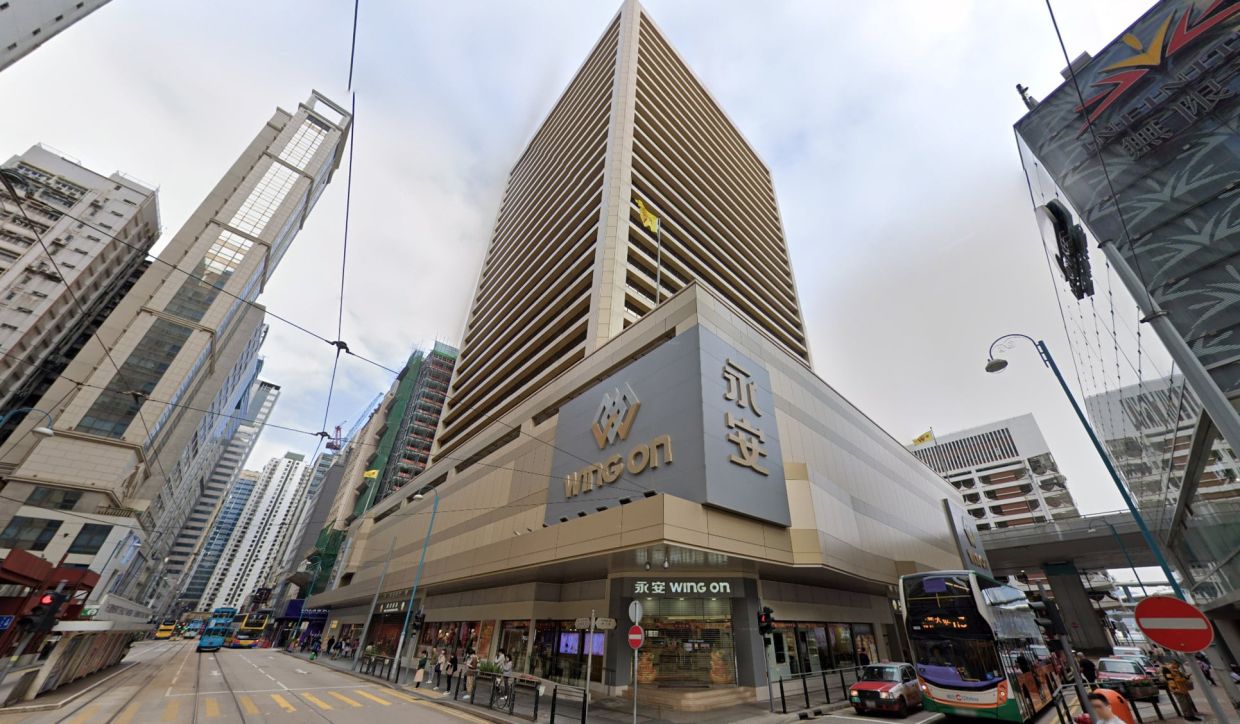
Hong Kong's customs authority has launched an investigation into allegations that an elderly woman was coerced into purchasing HK$100,000 worth of beauty products during what her daughter describes as a distressing three-hour sales encounter at an Avinichi boutique located within the Wing On department store in Sheung Wan. The case, disclosed through a social media post on Saturday by a woman surnamed Ng, adds fresh fuel to mounting public concern about aggressive and potentially exploitative sales practices permeating Hong Kong's cosmetics and skincare retail landscape.
According to Ng's account, her 88-year-old mother visited the outlet in April and became ensnared in a sequence of transactions that she characterised as deliberately manipulative. The salesperson allegedly retained the customer's credit card within a folder while continuing to promote additional merchandise, rather than returning the payment instrument after the initial purchase. Over the subsequent three hours, the card was allegedly swiped four separate times, ultimately accumulating charges totalling HK$100,000 for an assortment of skincare products, a beauty treatment device, and a package of twenty-four detoxifying sessions.
The mother's domestic helper made attempts to interrupt the sales process and encourage departure, yet the retail staff member reportedly persisted with sales efforts regardless of these objections. Ng reported that her mother emerged from the ordeal feeling mentally depleted and disoriented, comparing the experience to being placed under hypnotic influence. The family subsequently requested a full refund from Avinichi, but the company declined and instead offered only an exchange of merchandise. These circumstances prompted Ng to escalate the matter by filing complaints with both the Customs and Excise Department and the Consumer Council.
Official response from Hong Kong's Customs and Excise Department indicates active engagement with the complaint. A department spokesperson confirmed that the case is undergoing investigation and warned that enforcement measures would follow if evidence emerges of violations under the Trade Descriptions Ordinance. The agency reiterated its commitment to protecting consumer interests and stated its zero-tolerance stance toward unfair commercial practices, pledging continued rigorous action against businesses operating outside legal boundaries.
When a reporter from the South China Morning Post visited the location on Saturday to seek comment, the two employees present disclaimed knowledge of the allegations. Following a telephone consultation with management, staff requested the journalist's contact details and indicated that a company representative would respond subsequently, but declined to facilitate direct conversation with the store manager. By late Saturday evening, no official response had been received by the publication.
Avinichi operates as one component of Apex Retail's portfolio, a multi-brand retail operation with significant presence throughout Hong Kong and Singapore. The parent company manages approximately a dozen retail locations across the territory under various brand names including Earth, Napara, Privilege Boutique, and Dualsonic. Notably, another Apex subsidiary brand, Lionesse, recently encountered comparable allegations concerning sales practices. When approached for comment regarding these previous incidents, Apex Retail declined to address specific allegations or circumstances unless they involved identifiable customer cases.
Corporate documentation reveals that Apex Retail inaugurated two Avinichi "experience boutiques" during 2025 and identifies the Wing On location in Sheung Wan among its official "mall partners." The Avinichi trademark itself is registered to Exclusive Label, a United States-based entity. However, a disclaimer published on Avinichi's website asserts that all retail locations operate as independently owned and managed establishments, a distinction that complicates questions of corporate accountability regarding individual store conduct.
This incident represents the latest manifestation of a broader pattern of concern within Hong Kong's beauty sector. The territory's regulatory authorities have intensified scrutiny following the arrest of two managers employed by the Hong Kong operation of international beauty chain Opatra London, facing allegations centered on coercive sales methodologies. The Mineral Boutique, operating under Beauty Express Group, has similarly drawn regulatory attention for reportedly employing aggressive customer pressure tactics.
Legal specialists have previously informed media outlets that the practices allegedly deployed in these cases—encompassing unauthorised credit card usage, unwanted physical contact, and psychological pressure to purchase expensive merchandise—potentially contravene provisions within the Trade Descriptions Ordinance. This legislation explicitly prohibits harassment, intimidation, and deceptive conduct intentionally applied to manipulate consumers into transactions they would ordinarily reject. The legal framework establishes clear boundaries for acceptable retail behaviour, yet enforcement challenges persist as businesses continue operating in ways that test these regulatory limits.
For Malaysian and Southeast Asian observers, these developments carry particular relevance given the regional interconnectedness of retail operations and consumer populations. Many beauty brands operating across Hong Kong maintain similar footprints in Malaysian shopping districts and other regional hubs. The Hong Kong enforcement actions and consumer complaints serve as cautionary signals regarding sales practices that may similarly affect customers in neighbouring markets. Consumer protection agencies throughout the region may benefit from monitoring these developments to identify whether comparable problematic practices have emerged domestically.
The cumulative effect of these controversies has generated heightened public awareness regarding consumer vulnerability within beauty retail contexts. Elderly customers, in particular, appear disproportionately susceptible to the psychological and commercial tactics these businesses deploy. The sophistication of modern sales environments, combined with aggressive staff training oriented toward maximum transaction values, creates conditions where vulnerable populations may find themselves overwhelmed and unable to exercise genuine choice. These systemic pressures on consumers demand regulatory responses that extend beyond individual complaint investigation toward institutional reform within beauty retail sectors.

