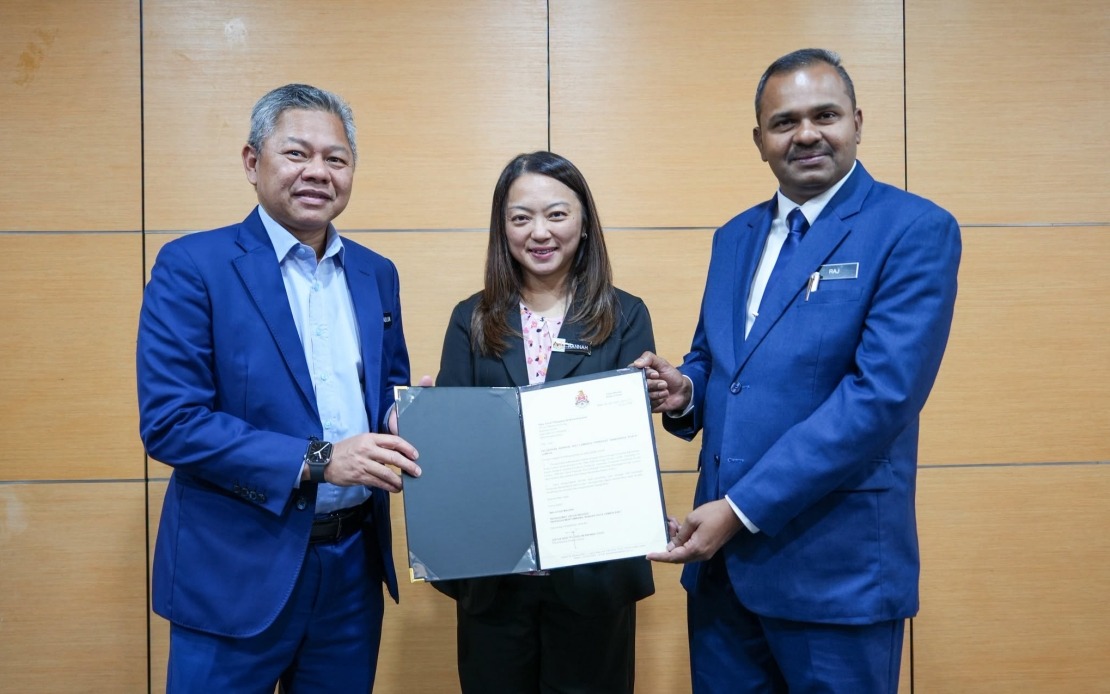
Federal Territories Minister Hannah Yeoh has publicly backed the appointment of S. Thiyagaraj to the Kuala Lumpur City Advisory Board, highlighting the significance of bringing experienced professionals into municipal governance structures. The former prison officer received his formal appointment letter from Kuala Lumpur Mayor Datuk Seri Fadlun Mak Ujud in a ceremony witnessed by the minister, underscoring the political importance placed on the advisory board's composition and oversight.
Yeoh's statement of support centred on expectations that Thiyagaraj would approach his new responsibilities with unwavering integrity and professional competence. The minister's public endorsement signals confidence in his ability to contribute meaningfully to policy discussions and recommendations affecting the capital's residents, while also projecting an image of meritocratic appointment processes within Kuala Lumpur's municipal administration.
Thiyagaraj brings substantial institutional experience to the role, having served with the Prisons Department across an 18-year tenure spanning 2005 to 2023. His final posting was as an Assistant Superintendent of Prisons within the Technical Intelligence and Investigation Unit, a position that would have exposed him to complex organisational challenges, strategic planning, and implementation of technical systems—competencies potentially transferable to municipal advisory work.
The Kuala Lumpur City Advisory Board functions as a formal mechanism for channelling expert advice to the Mayor on urban administration and development matters. Board membership carries substantive responsibility for strengthening governance practices, according to Yeoh's characterisation. The minister's framing of these roles suggests the government views advisory boards not merely as ceremonial fixtures but as operational instruments for improving city service delivery and ensuring administrative decisions reflect informed counsel.
Yeoh emphasised that effective city governance requires board members to prioritise transparency and responsiveness to residents' needs alongside institutional efficiency. This emphasis reflects broader governance concerns in Malaysia around accountability and public trust in municipal administration, particularly in major urban centres where service delivery failures attract media scrutiny and political consequences.
The appointment demonstrates the government's practice of recruiting individuals with established professional records from the public sector, rather than exclusively drawing on private-sector expertise. Thiyagaraj's background in law enforcement and institutional management represents a particular orientation toward governance—one emphasising hierarchical organisations, rule-based systems, and technical competency rather than, for instance, development economics or urban planning specialisation.
Kuala Lumpur's advisory board appointments carry political weight beyond their formal governance scope. Such positions often serve as transition points for retiring public servants seeking continued engagement with policy matters, or as recognition of professional standing. In this context, Thiyagaraj's appointment may reflect both his individual merit and deliberate effort by municipal authorities to maintain experienced perspectives from law enforcement and security sectors in city governance discussions.
The timing and public nature of the ministerial congratulation also serve symbolic functions. Federal Territories Minister involvement in advisory board appointments signals hierarchical integration between national and municipal governance levels, while public endorsement from a cabinet minister enhances the board's perceived authority and the appointee's standing within administrative networks.
For Malaysian readers, this appointment exemplifies how governance structures at the municipal level engage with broader patterns of public administration. Advisory boards represent formalised channels for expertise and counsel, positioned between elected politicians and professional bureaucracies. The emphasis on integrity and professionalism in Yeoh's statement reflects ongoing national conversations about governance standards and public accountability, particularly as Malaysian cities navigate rapid urbanisation and rising citizen expectations for service quality.
The integration of security-sector experience into civilian urban governance reflects how Malaysian municipal administration draws on diverse institutional backgrounds. Thiyagaraj's 18 years in prison administration provide exposure to organisational complexity, resource management, and systematic problem-solving applicable to city governance challenges ranging from infrastructure coordination to administrative efficiency.
Looking forward, Thiyagaraj's contributions to the advisory board will likely focus on areas intersecting municipal administration with institutional management—possibly including security arrangements, resource allocation frameworks, or systematic implementation of council decisions. His appointment may indicate municipal authorities' intent to strengthen governance structures in these operational dimensions.
The broader context involves Malaysia's ongoing institutional reforms aimed at enhancing municipal governance effectiveness. Kuala Lumpur, as the nation's capital and primary financial centre, serves as a demonstration case for governance practices that potentially influence other Malaysian cities. Advisory board composition and engagement levels therefore carry implications extending beyond the capital's immediate urban administration.

