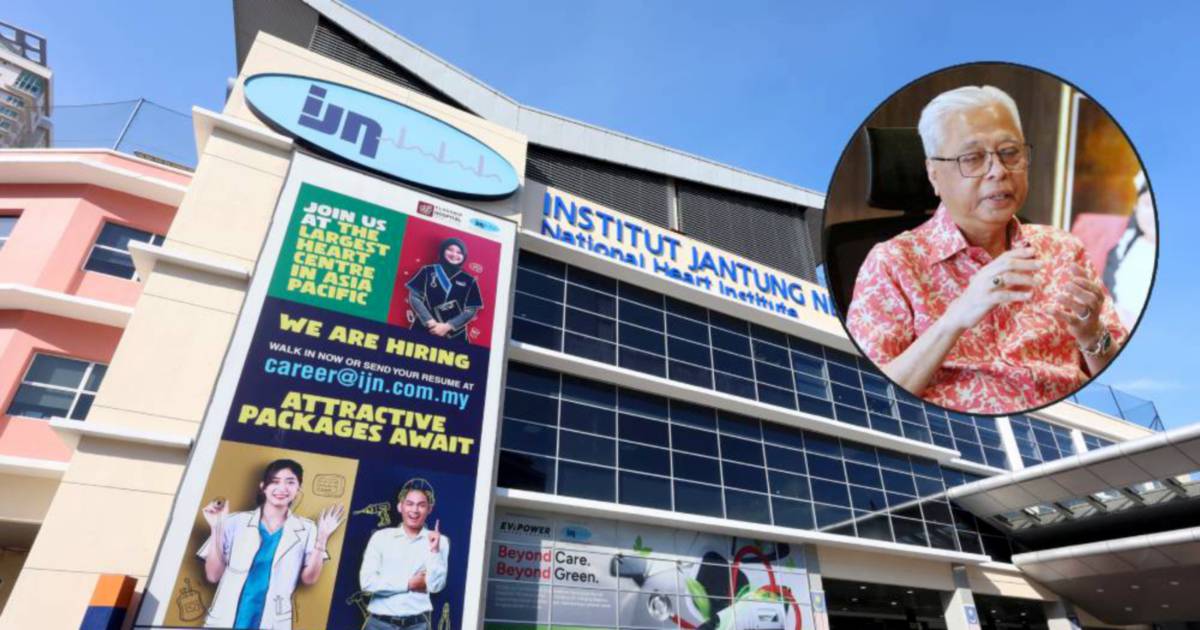
Former Prime Minister Datuk Seri Ismail Sabri Yaakob has completed a successful leadless pacemaker implantation procedure at the National Heart Institute (IJN) in Kuala Lumpur, after being admitted with an abnormal heart rhythm. The procedure, which represents the latest advancement in cardiac intervention technology, was performed by IJN's specialist team to regulate the former leader's heartbeat and prevent complications from the arrhythmia condition.
The leadless pacemaker represents a significant evolution in cardiac device technology compared to traditional pacemakers. Unlike conventional systems that rely on a separate pulse generator connected to the heart via leads, leadless pacemakers are implanted directly into the heart chamber, eliminating the need for subcutaneous pockets and reducing the associated risks of lead-related complications. This approach has gained increasing acceptance globally as a treatment option for certain cardiac arrhythmias, offering patients improved comfort and reduced infection risks.
Ismail Sabri's decision to undergo the procedure underscores the importance of regular health monitoring among high-profile public figures and the general population. Abnormal heart rhythms, or arrhythmias, can develop due to various factors including age, existing heart conditions, or lifestyle factors. Early detection and intervention through modern medical technology can significantly improve long-term health outcomes and quality of life. The former prime minister's case serves as a public health reminder about the significance of cardiac screening and prompt medical attention when symptoms emerge.
The National Heart Institute, where the procedure was conducted, is Malaysia's leading cardiac care facility and a regional hub for advanced heart treatment. IJN regularly undertakes complex cardiac procedures and serves as a reference centre for cardiologists across Southeast Asia. The institute's ability to perform leadless pacemaker implantations demonstrates Malaysia's capacity to deliver world-class cardiac care domestically, reducing the need for patients to seek treatment abroad for such conditions.
Medical professionals have advised Ismail Sabri to observe a period of rest following the procedure. This recovery phase is standard protocol after pacemaker implantation and allows the device to stabilize while the heart tissue heals around it. Patients typically require several weeks of activity modification before returning to their normal routines, though the specific duration varies based on individual circumstances and the cardiologist's assessment.
The successful completion of this procedure is particularly relevant for Malaysia's ageing population, as cardiac conditions become increasingly prevalent with advancing age. The availability of innovative treatments like leadless pacemakers at domestic facilities means more Malaysians can access cutting-edge healthcare without substantial international travel or financial burden. This has broader implications for healthcare equity across the nation and the region.
Ismail Sabri served as Malaysia's Prime Minister from 2021 to 2022, steering the nation through a critical period that included managing the COVID-19 pandemic and economic recovery efforts. His public health challenges have periodically attracted media attention, reflecting broader national interest in the wellbeing of political leaders. The transparent communication about his medical condition and treatment demonstrates responsible public health disclosure and normalizes discussions about cardiac health among older demographics.
The implantation of a pacemaker does not typically prevent individuals from resuming regular duties, though activity restrictions may apply in the immediate recovery phase. Many pacemaker patients worldwide, including professionals, have successfully returned to their careers and maintained active lifestyles following device implantation. The specific timeline for Ismail Sabri's return to public activities would depend on his medical team's recommendations and his personal recovery trajectory.
From a broader regional perspective, Malaysia's demonstrated capacity to conduct advanced cardiac procedures reflects the country's positioning as a medical tourism destination and a centre of excellence for healthcare innovation in Southeast Asia. The region increasingly attracts patients seeking sophisticated cardiac interventions, supported by institutions like IJN that combine modern technology with experienced clinical teams. This capability strengthens Malaysia's competitive advantage in regional healthcare markets and demonstrates commitment to maintaining high standards of medical practice.
The case also highlights ongoing developments in cardiac medical technology and the importance of patient education regarding treatment options. Leadless pacemakers, though increasingly common in developed healthcare systems, remain relatively new to many patients and healthcare providers in the region. Successful high-profile cases like Ismail Sabri's can improve public awareness and encourage patients with similar conditions to seek appropriate medical consultation rather than managing symptoms without intervention.

