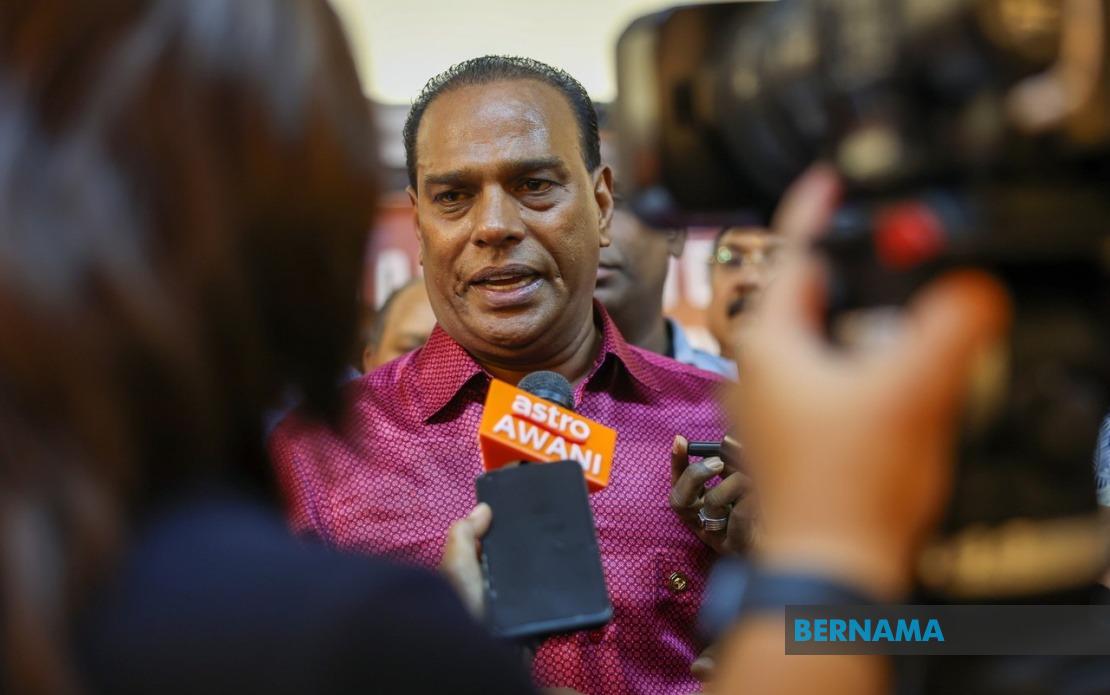
Former Human Resources Minister Datuk Seri M. Saravanan is set to appear before the Sessions Court here tomorrow to face charges stemming from allegations connected to the controversial hiring of foreign workers during the height of the COVID-19 pandemic in 2022. The Tapah Member of Parliament and deputy president of the Malaysian Indian Congress acknowledged the pending legal action through a video message released to journalists, signalling his intent to mount a vigorous courtroom defence.
The charges against Saravanan relate to accusations rooted in a third-party statement, according to the former minister's public statement. The original allegation originated from an individual who passed away approximately two months before the legal proceedings were initiated. Despite this development, Saravanan has characterised the situation as one he is fully prepared to contest within the Malaysian legal system, emphasising his readiness to address each allegation methodically.
A significant wrinkle in the case emerged when the individual who initially made the statement against the former minister subsequently executed a Statutory Declaration explicitly withdrawing the allegations. This reversal has become a central element of Saravanan's defence strategy, as he seeks to demonstrate the unreliability of the original accusation. The former minister has categorically denied ever establishing any form of contact or relationship with the individual involved, stressing that he had neither telephonic nor digital communication with the accuser.
Saravanan's legal team has already indicated their intention to petition the court for an expedited trial process, seeking to avoid prolonged delays in the proceedings. This procedural move reflects a confidence in the defence position and a desire to resolve the matter swiftly rather than allow it to languish within the judicial system for an extended period. Such requests for accelerated timelines are not uncommon in high-profile cases involving former government officials, particularly when the defendant maintains strong protestations of innocence.
The charges under consideration fall within the purview of the Malaysian Anti-Corruption Commission Act 2009, specifically Section 16, which addresses bribery-related offences including soliciting, receiving, giving, promising, or offering bribes. The MACC issued a formal media notification regarding the pending prosecution, indicating the seriousness with which the anti-corruption body is treating the allegations. This statutory framework represents Malaysia's primary legal mechanism for combating corruption within the public sector and among those holding positions of governmental authority.
The case intersects with Malaysia's complex policy responses to the COVID-19 pandemic, during which workforce management, particularly regarding foreign labour, became a contentious issue. The year 2022 saw ongoing debates about Malaysia's reliance on migrant workers across various sectors of the economy and questions about the propriety of hiring practices during a period of substantial domestic unemployment. These broader contextual factors may influence public and political perceptions of Saravanan's culpability, regardless of the eventual court verdict.
Saravanan's position as both an MP representing a significant constituency and a senior figure within Malaysia's Indian community adds layers of political significance to the case. His role within the MIC places him at the intersection of coalition politics and minority representation within Malaysia's multiethnic political landscape. The proceedings will be closely watched by political observers seeking to understand whether the anti-corruption machinery applies uniformly across Malaysia's political spectrum or whether certain figures enjoy preferential treatment.
The withdrawal of the Statutory Declaration by the original accuser introduces questions about the reliability of witnesses in high-stakes corruption investigations. Such reversals can occur for various reasons—legal advice, pressure, reconciliation, or genuine reconsideration—all of which could feature in defence arguments. The court will need to weigh the significance of this recantation against other evidence the MACC has compiled to support its allegations.
The case reflects ongoing scrutiny of ministerial conduct and administrative decision-making during Malaysia's pandemic response. Government hiring practices, particularly those involving foreign workers, attracted considerable attention from oversight bodies and civil society organisations throughout this period. The allegations against Saravanan, therefore, touch upon issues of governance transparency and accountability that extend beyond the individual defendant to broader questions about institutional integrity within Malaysia's civil service and political establishment.
The upcoming proceedings will test Malaysia's judicial system's capacity to handle allegations against high-ranking former officials impartially. Observer attention will focus not only on the substantive evidence but also on procedural fairness and the court's handling of the defence's request for expedited proceedings. The outcome could have implications for how similar cases involving former ministers are processed in the future, potentially establishing precedents for prosecutorial practice and judicial timelines in corruption-related matters.

