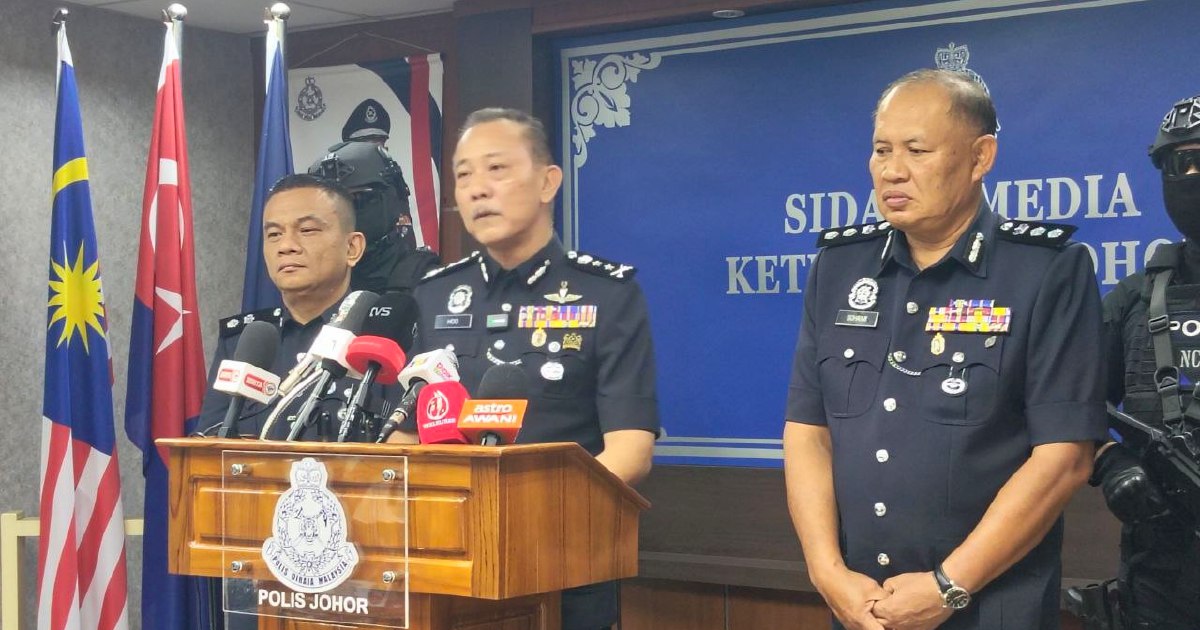
Five individuals have been taken into custody by Johor police following investigations into separate incidents across the state where the Jalur Gemilang and Johor state flag were displayed in an inverted position. The arrests mark a significant enforcement action against flag mishandling, reflecting heightened sensitivity around national symbols in Malaysia's southern state.
The multiple cases underscore an emerging concern among authorities regarding improper treatment of Malaysia's national and regional emblems. Police launched their probe after reports came in of flags hung upside down in various locations throughout Johor, triggering an immediate response from law enforcement officers tasked with safeguarding the dignity of these symbols. The coordination across three separate cases suggests a systematic approach by investigative teams to address the matter comprehensively.
Flag desecration remains a serious matter under Malaysian law, with strict protocols governing how national and state symbols must be displayed. The Jalur Gemilang, instantly recognizable by its 14 alternating red and white stripes and crescent moon with star, holds profound significance in the nation's identity and heritage. Similarly, the Johor state flag carries cultural and historical importance that resonates deeply with residents of the southern state.
The decision to display flags upside down carries particular weight in Malaysia's constitutional framework, where such acts can be interpreted as disrespectful or potentially protest-oriented. The distinction between accidental mishandling and deliberate inversion becomes crucial during police investigations, as intentions often determine the severity of charges pursued. Authorities must carefully evaluate whether these incidents resulted from negligence, poor understanding of flag etiquette, or intentional acts of provocation.
Johor's experience reflects broader national discussions about civic responsibility and respect for state symbols. Communities across Malaysia have witnessed increasing scrutiny regarding flag handling, with organizations and institutions receiving guidance on proper display methods. For a multicultural nation like Malaysia, maintaining the sanctity of national symbols serves as a unifying principle that transcends ethnic and religious boundaries.
The enforcement action occurring in Johor specifically highlights how state-level authorities remain vigilant in protecting both federal and regional emblems. As Malaysia's most populous state by land area and a significant economic hub, Johor's commitment to proper flag protocols carries symbolic importance across the nation. The state's authorities have demonstrated their readiness to pursue investigations thoroughly, signalling to the public the serious consequences of flag mishandling.
Police investigations into such cases typically involve examining circumstances surrounding each incident, identifying individuals responsible, and determining appropriate legal responses. The variation across three separate cases suggests different locations, circumstances, or individuals involved, requiring tailored investigative approaches. Some incidents may have occurred in public spaces, while others could involve residential areas or commercial establishments.
Education and awareness remain critical components of preventing future flag-related incidents. Many instances of improper flag display stem from genuine ignorance rather than malicious intent, particularly among younger generations who may lack familiarity with proper protocols. Government agencies and community organizations have opportunities to conduct outreach programmes explaining correct flag handling, display heights, and maintenance standards.
The arrests come as Malaysia continues emphasizing national unity and respect for constitutional symbols. This is particularly relevant in contemporary Southeast Asia, where questions of identity and national pride generate considerable discussion. Malaysia's approach to flag protocol reflects its status as a constitutional monarchy with specific guidelines embedded in federal and state frameworks.
For Malaysian residents and visitors to Johor, these developments serve as a reminder of the legal and cultural expectations surrounding national and state symbols. Businesses, educational institutions, and community organizations should ensure their flag displays comply with established guidelines. Simple measures like regular inspection of flagpoles, proper attachment mechanisms, and understanding wind effects can prevent inadvertent inversions.
The broader implications extend to how Malaysian society balances personal freedoms with collective responsibilities toward national symbols. While the nation values diverse expression, certain principles regarding respect for constitutional emblems remain inviolable. These arrests demonstrate that authorities take such matters seriously and will pursue investigations wherever violations occur.
Going forward, the outcomes of these legal proceedings may influence how similar cases are handled throughout Malaysia. Sentencing decisions, judicial interpretations, and police procedures established through these cases could set precedents affecting future enforcement. The situation also provides an opportunity for public discourse about how modern Malaysia should navigate these traditional values within a contemporary context.
Johor authorities' swift response and comprehensive investigation across three separate cases indicate their commitment to maintaining standards for flag respect throughout the state. As one of Malaysia's leading states economically and politically, Johor's actions underscore the importance of upholding constitutional symbols as foundational elements of national identity.

