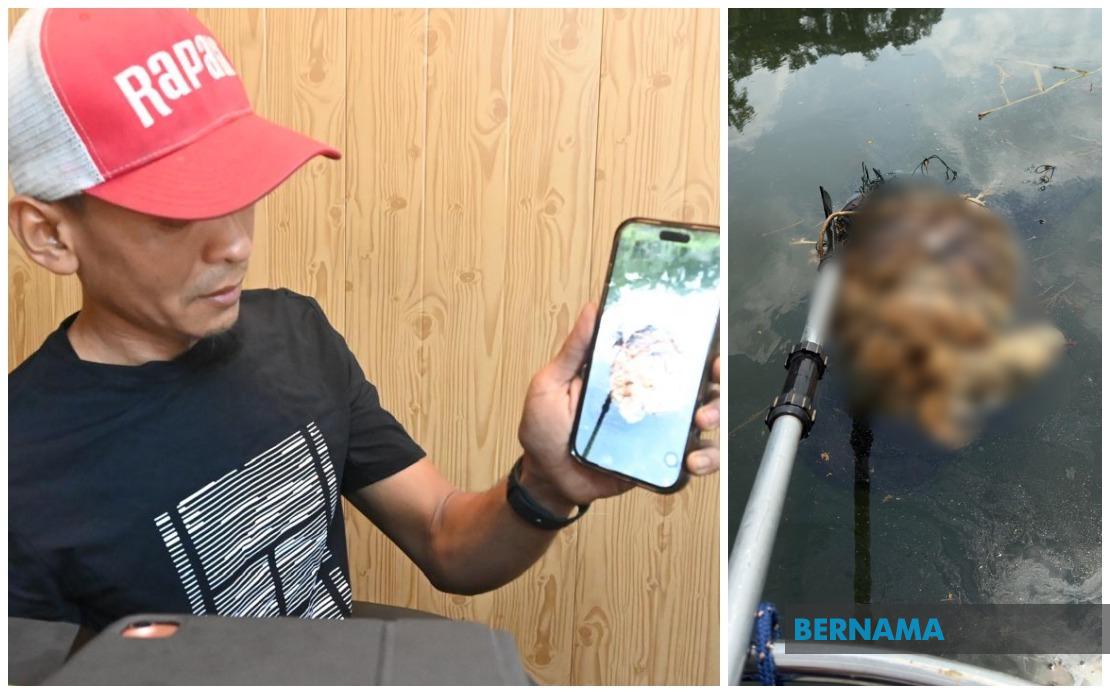
A body wrapped and secured with netting was discovered in Sungai Tanjung Sembrong at Parit Raja in Batu Pahat, Johor, after a fisherman investigating an unusual floating object in the water alerted authorities. The incident unfolded on August 3, when Muhamad Zul Fikri Borhanodin, 33, spotted what appeared initially to be animal remains while documenting his fishing hobby for social media content. His curiosity and closer inspection of the discovery would ultimately lead authorities to a significant criminal investigation.
Muhamad Zul Fikri first encountered the floating object around 11 am that morning. Given the river's location and his extensive experience fishing these waters for more than two decades, he reasoned that such discoveries were routine occurrences in the area. The Sungai Tanjung Sembrong has previously been the site of accidental drownings and animal remains, making his initial assessment understandable. However, certain characteristics of the object diverged from typical animal carcasses he had encountered during his years on the water.
The decisive factors prompting further investigation were the intense foul odour emanating from the object and the deliberate wrapping of the remains in netting. These details suggested something more sinister than a simple animal carcass or accidental death. Upon observing a pair of jeans on the wrapped form, Muhamad Zul Fikri's suspicions crystallised into concern for human remains. He immediately contacted a friend who was operating another boat nearby and together they worked to alert the appropriate authorities about their grim discovery.
The incident represents the second time in Muhamad Zul Fikri's fishing career that he has encountered human remains in this particular stretch of river. Years earlier, he had witnessed a body recovery following someone's fall into the water. This prior experience likely contributed to his ability to recognise the warning signs present in what he observed that morning. The frequency of such discoveries at this location raises questions about water safety and whether additional preventive measures might be warranted along this waterway.
Police received notification of the discovery at approximately 12.30 pm on August 3. Acting swiftly, investigators began gathering information about missing persons reports that might correlate with the body's identity. Their efforts quickly yielded significant leads. Johor deputy police chief DCP Hoo Chuan Huat confirmed that authorities had received a missing person report lodged on July 29 by a wife seeking information about her husband's disappearance from Mutiara Rini in Iskandar Puteri. The timeline between the missing person report and the body's discovery suggested a potential connection.
The investigation expanded rapidly following the initial discovery. Police arrested three men aged between 26 and 40 years old around the Batu Pahat area on the same day the body was found. These arrests were made to assist with ongoing investigations into the circumstances surrounding the death. The authorities' quick apprehension of suspects indicates that investigators had developed leads relatively swiftly, possibly through community information or preliminary evidence gathered at the scene.
The discovery raises important questions about criminal activity and personal safety within the region. The deliberate wrapping and binding of the remains with netting suggests premeditation rather than a simple accident. This discovery compounds existing concerns about crime in the Iskandar Puteri and greater Johor region, where missing person cases occasionally intersect with serious criminal investigations. For Malaysian readers, this incident underscores the unpredictable dangers that can befall residents and the importance of reporting suspicious disappearances promptly to authorities.
From a broader Southeast Asian perspective, this case exemplifies challenges faced by regional law enforcement in investigating homicides that may involve multiple suspects and complex circumstances. The involvement of three separate individuals in custody suggests either direct involvement in the death or possession of relevant information about the circumstances. Malaysian police procedures for handling such investigations typically involve detailed forensic examination of remains, witness interviews, and cross-referencing missing person reports with discovered bodies—a process that can extend over weeks or months.
The role played by an observant citizen in identifying potential remains highlights the importance of public engagement with law enforcement. Muhamad Zul Fikri's willingness to pursue his initial suspicion and contact authorities demonstrates civic responsibility that facilitates criminal investigations. However, it also underscores the reality that discovery of serious crimes often occurs accidentally rather than through direct police detective work. For those engaged in outdoor activities—fishing, boating, or riverside recreation—the incident serves as a sobering reminder of potential dangers and the importance of reporting unusual findings to authorities rather than investigating independently.

