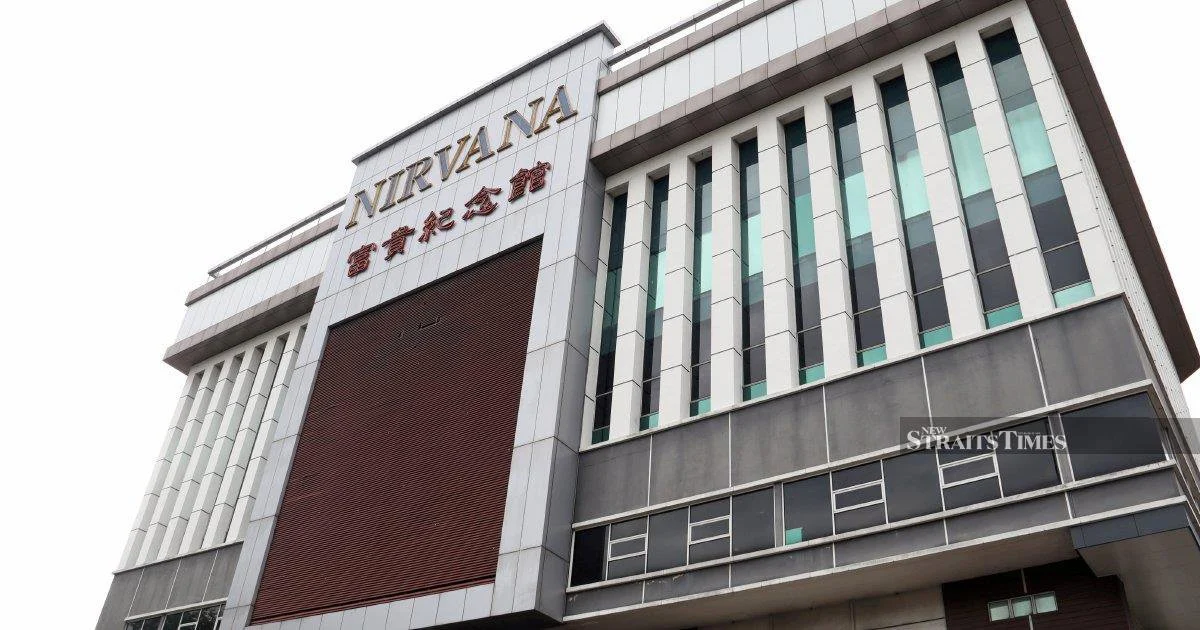
A family in Shah Alam has launched legal action against Nirvana Memorial Park (Shah Alam) Sdn Bhd, alleging gross negligence following the disappearance of two urns containing their parents' cremated remains from the facility's columbarium unit in January. The lawsuit represents an increasingly serious concern about security and safekeeping protocols at cremation facilities across Malaysia, particularly given the sensitive and irreplaceable nature of the materials entrusted to such institutions.
The loss of cremated remains strikes at the heart of religious and cultural practices observed by numerous Malaysian communities. For families observing Buddhist, Hindu, Taoist, and other traditions, the proper custodianship of ashes represents a fundamental obligation toward deceased relatives and fulfillment of final rites. The alleged theft from a dedicated memorial facility—rather than loss through natural disaster or accident—compounds the family's distress by suggesting potential human malfeasance or deliberate breach of duty.
Memorial parks and columbarium facilities operate under specific regulatory frameworks in Malaysia, though enforcement and standardization vary by state. These institutions hold a position of deep trust within communities, charged with maintaining secure, dignified environments for the deceased and providing grieving families with peace of mind during their bereavement. The breach of such trust, whether through theft, negligence, or systemic security failures, undermines public confidence in these essential services across the country.
The allegations of negligence directed at Nirvana Memorial Park specifically raise questions about the adequacy of security measures currently deployed in such facilities. Columbarium units typically house hundreds or thousands of urns in compartmentalized storage systems, making comprehensive monitoring and accountability critical. The circumstances surrounding the disappearance in January—whether security cameras were operational, whether access logs were maintained, and how quickly the loss was detected and reported to the family—will likely form central elements of the legal dispute.
From a broader perspective, this incident highlights potential gaps in the regulatory oversight of memorial facilities. Many states in Malaysia lack stringent mandatory standards for columbarium security, staff vetting, or incident reporting procedures. The family's decision to pursue legal remedies may catalyze increased scrutiny from both regulatory authorities and consumer protection agencies, potentially driving industry-wide improvements in security protocols and accountability mechanisms.
The lawsuit also underscores the emotional and spiritual dimension of this breach. Cremated remains hold profound significance for families observing various religions and philosophies. The loss is not merely material but existential—families are denied the ability to perform customary rites, make future arrangements for the ashes, or maintain their customary relationship with their deceased relatives' remains. This makes the negligence claim not merely contractual but deeply personal and cultural in nature.
For memorial park operators across Malaysia, this case serves as a cautionary example of the critical importance of robust security infrastructure and procedural safeguards. Modern columbarium facilities should incorporate layered security systems, including surveillance technology, access controls, environmental monitoring, and meticulous record-keeping. Staff training in handling remains with appropriate reverence and care, combined with clear chain-of-custody documentation, has become essential operational practice rather than optional service enhancement.
The family's pursuit of legal action through the courts indicates their determination to secure accountability and potentially compensation for their loss. Malaysian legal precedent on similar cases of negligence by service providers entrusted with valuable property—particularly property of profound personal significance—will inform the trajectory of this dispute. Courts have previously recognized claims for breach of duty by funeral homes and related facilities, though damage awards in such cases must account for the unique nature of the loss.
Regulatory bodies such as state-level local authorities and the Ministry of Health should consider whether current guidelines for memorial facilities are sufficiently rigorous. The incident also raises questions for families currently utilizing similar facilities nationwide about what standards they should expect and what audit rights they should exercise over institutions holding their relatives' remains. Transparent communication of security measures and incident response protocols would strengthen public trust.
Beyond the immediate legal implications for Nirvana Memorial Park, this case may prompt the memorial park industry in Malaysia to undergo voluntary self-regulation improvements. Industry associations could establish certification standards, best-practice guidelines for security and record-keeping, and dispute resolution mechanisms. Such proactive measures would demonstrate commitment to safeguarding client assets and maintaining public confidence.
The resolution of this lawsuit will establish important precedent regarding institutional liability for loss of cremated remains and may influence how other families approach disputes with memorial facilities. Whether through settlement or judgment, the case will likely result in clearer definitions of duty and responsibility within the sector. For families throughout Malaysia entrusting their loved ones to memorial parks, this legal action represents an effort to establish stronger protections for all.

