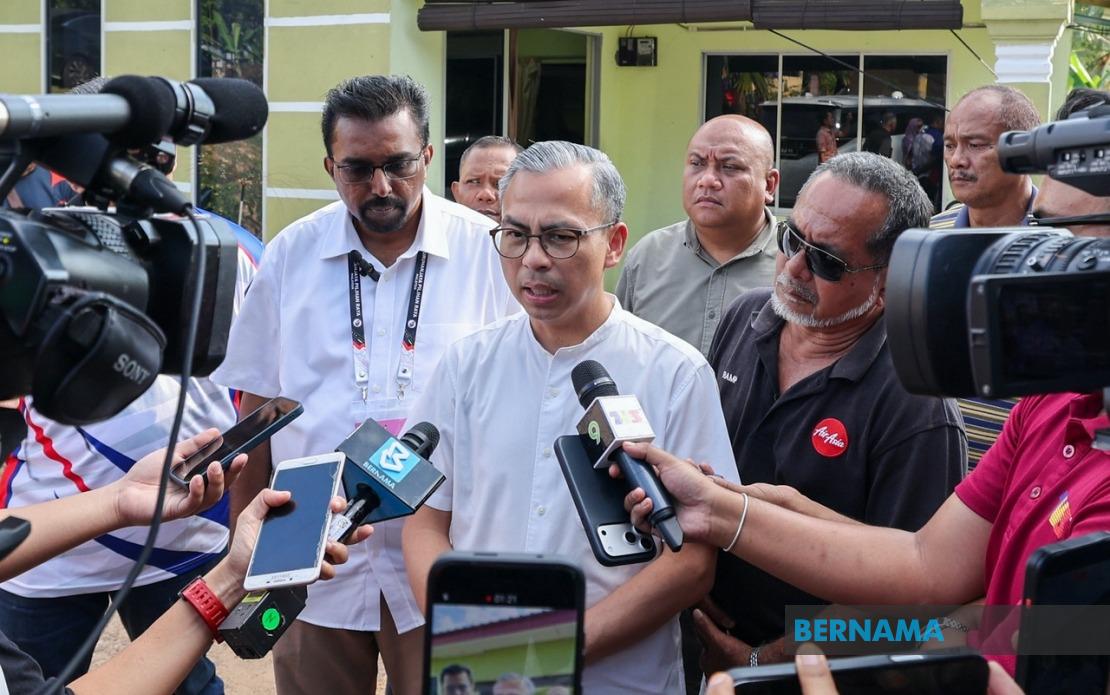
Communications Minister Datuk Seri Fahmi Fadzil has become the latest government figure to advocate for public disclosure of the Royal Commission of Inquiry report into Tabung Haji, arguing that transparency serves both depositors and the broader Malaysian community. Speaking after the "Ziarah Kasih MADANI" programme in Jempol on July 23, Fahmi underscored that publication of the final report would allow contributors, depositors, and ordinary Malaysians to develop a thorough grasp of the events that prompted the inquiry in the first place.
The push for public transparency reflects growing momentum within the government to move beyond the secrecy that has historically shrouded high-level investigations. Fahmi's statements emphasise that releasing detailed findings upholds principles of accountability and impartiality, two cornerstones of governance that resonate particularly strongly in Malaysia's current political climate. By enabling citizens to examine the report firsthand, the government would signal confidence in both the inquiry process and the conclusions it reached, while simultaneously addressing public curiosity about mismanagement allegations that have shadowed the Islamic pilgrimage fund for years.
Fahmi's remarks build directly on assurances given earlier by Prime Minister Datuk Seri Anwar Ibrahim, who confirmed that the administration stands ready to publish the RCI findings. Anwar's commitment carries particular weight given his role as head of government and his personal investment in restoration of public trust. The Prime Minister indicated he would consult with Chief Secretary to the Government Tan Sri Shamsul Azri Abu Bakar before finalising the publication timeline, suggesting that procedural considerations rather than political hesitation may be driving any delays.
The RCI was established to investigate serious allegations surrounding Tabung Haji's management, particularly regarding the controversial sale of strategic assets. For Malaysian Muslims, many of whom have contributed substantial sums toward their hajj pilgrimage through the fund, questions about asset handling carry profound emotional and financial weight. The inquiry examined how past leadership decisions affected the institution's financial health and whether proper governance protocols were followed during transactions involving valuable properties and holdings.
Tabung Haji's reputation has faced considerable strain over recent years as controversies emerged about investment decisions and asset disposals. Current management has undertaken significant restructuring efforts aimed at rebuilding both the institution's financial position and public confidence. Fahmi's assertion that Tabung Haji now operates from "a much stronger position than it was previously" suggests that management and administration have implemented meaningful reforms, though critics may question whether such improvements have fully addressed underlying governance failures that necessitated the RCI investigation.
The timeline for publication remains fluid, though Anwar's indication that the report would be made available "no later than next Wednesday" provided a concrete target. This relatively imminent deadline suggests that final preparations are underway and that bureaucratic hurdles are being resolved. For stakeholders awaiting the findings—including contributors who invested in the hajj fund, financial analysts monitoring the institution's recovery, and lawmakers reviewing past decisions—this window offers the prospect of long-awaited clarity on how mismanagement occurred and what safeguards have been installed.
Public disclosure of the RCI report carries implications that extend beyond Tabung Haji itself. Such transparency sets a precedent for how Malaysian government institutions handle post-inquiry publication, potentially influencing expectations around future commissions of inquiry and investigations into other agencies. If the TH report receives comprehensive public release, it would reinforce commitments to openness that the current administration has repeatedly articulated, though observers note that implementation has sometimes lagged behind rhetorical promises.
The emphasis on transparency also reflects recognition that depositors and contributors possess legitimate rights to information about how their funds were managed. These are not merely statistics in government accounts but rather savings accumulated by working Malaysians exercising their religious obligations. Denial of access to inquiry findings would perpetuate suspicion and erode confidence in both the institution and the government bodies overseeing it. By contrast, releasing substantive details about what went wrong sends a message that accountability matters and that public understanding trumps bureaucratic convenience.
For Southeast Asian observers, Malaysia's handling of the Tabung Haji RCI report offers a window into evolving governance standards across the region. Many nations in Southeast Asia grapple with similar tensions between institutional secrecy and public accountability. Malaysia's decision to pursue transparent disclosure, should it proceed as indicated, would position the country as relatively advanced in this dimension of institutional reform compared to regional peers still maintaining greater opacity around high-level investigations.
The momentum behind publication also reflects political calculation. An administration that commits to transparency and follows through builds legitimacy and trust—capital that proves valuable during challenging policy decisions or electoral cycles. Conversely, retreating from transparency promises invites cynicism and accusations of cover-up mentality, regardless of whether such charges hold merit. Fahmi and Anwar's public commitment to disclosure thus serves both principled governance objectives and pragmatic political interests.
Looking forward, the actual content of the released report will matter enormously. Will it identify specific individuals responsible for problematic decisions? Will it recommend institutional reforms beyond those already implemented? Will it propose mechanisms for depositor compensation or asset recovery? These questions underscore that transparency about process must be matched by substantive findings that provide actionable insights. A watered-down version lacking such detail might technically satisfy disclosure requirements while leaving public understanding disappointingly incomplete.
The forthcoming release represents a test of government commitment to institutional accountability during an administration that has emphasised reform and anti-corruption messaging. Successful publication that includes substantive, unredacted findings would validate such claims, while significant omissions or delays would fuel scepticism about the authenticity of transparency pledges. For Malaysian depositors and the broader public, the coming days will reveal whether government promises of openness translate into meaningful action or remain hollow rhetoric.

