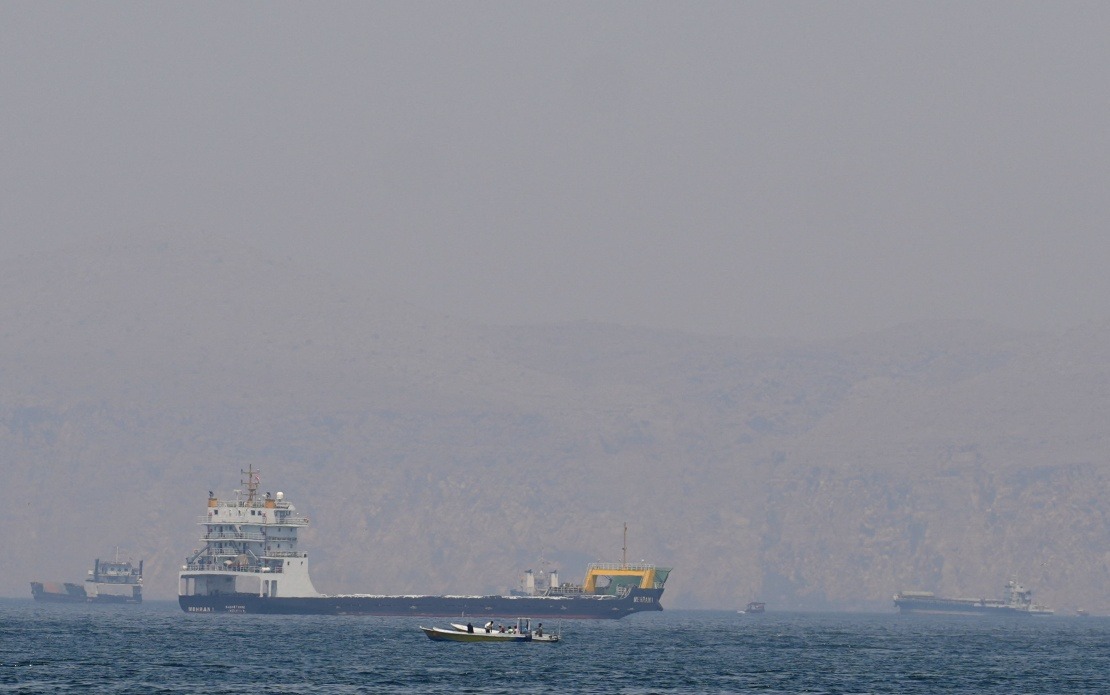
The European Union and the Gulf Cooperation Council have issued a forceful joint declaration rejecting any attempt by a single state to assert control over the Strait of Hormuz, one of the world's most strategically vital shipping routes. Following their High-Level Forum on Regional Security and Cooperation in Brussels on July 13, the two blocs made clear in their statement that no bilateral arrangement or understanding between nations can lawfully restrict passage through this international waterway or permit any state to levy charges on vessels transiting the passage.
The declaration represents a coordinated diplomatic response to escalating tensions in the Middle East and reflects growing international concern about threats to maritime freedom. The Strait of Hormuz, through which approximately one-third of global seaborne oil and liquefied natural gas traffic flows, has become a focal point of regional instability. The joint statement emphasises that freedom of navigation through the strait is secured by established international law, specifically the UN Convention on the Law of the Sea, and cannot be unilaterally modified or revoked by any nation regardless of its regional influence.
EU foreign policy chief Kaja Kallas and Bahraini Foreign Minister Abdullatif bin Rashid Al-Zayani, speaking in his capacity as chair of the GCC Ministerial Council, jointly endorsed this position. Their collaboration underscores a deliberate alignment between Europe and the Gulf Arab states on this critical issue. Both sides reiterated that all nations possess equal rights to safe passage through the strait and that no state may suspend, obstruct, or impose conditions on these rights. The language employed in the statement signals an unusually strong consensus between Western and Gulf Arab leadership on maritime law and regional security.
A significant portion of the declaration directly addresses Iranian conduct in the region. The EU and GCC condemned "in the strongest terms" what they characterised as Iranian attacks on commercial vessels and strikes against the sovereign territories of multiple regional nations. These incidents, the statement argued, endangered civilian lives and seafarers while breaching both international law and UN Security Council Resolution 2817. By framing these actions as unjustifiable under any circumstances, the two blocs sought to isolate Iran diplomatically and establish clear international legal standards against such interference.
The joint statement demands that Iran immediately and unconditionally cease all attacks on shipping and halt interference with maritime navigation activities. The EU and GCC specifically called for Iran to maintain an open Strait of Hormuz without imposing transit fees, service charges, or other unilateral restrictions. This language carries particular significance given periodic Iranian threats to close or restrict access through the waterway during periods of heightened tension with Western powers. The declaration effectively serves as an international legal warning against any such actions.
Security concerns affecting the Strait of Hormuz have intensified substantially, with multiple nations dependent on safe passage through these waters for energy supplies and commercial trade. The EU and GCC's joint statement emphasises that any threat to one state's security through maritime disruption constitutes a concern for all parties relying on this vital corridor. This language expands the perceived stakes beyond individual nations to encompass the broader international community and global economic stability.
For Malaysia and other Southeast Asian trading nations, the implications are substantial. As significant participants in global maritime commerce and energy importers, Malaysia and its neighbours depend on unobstructed passage through the Strait of Hormuz for their economic prosperity. Any disruption to shipping through this waterway would directly impact regional supply chains, energy costs, and commercial activity. The EU-GCC declaration thus provides diplomatic reinforcement for principles that directly serve Southeast Asian economic interests.
Despite the forceful language, the statement also calls for restraint and reaffirms both blocs' commitment to dialogue and diplomatic solutions. This dual messaging indicates that while the EU and GCC have drawn clear legal and moral lines, they remain open to negotiated settlement of the underlying regional dispute. The call for continued dialogue suggests recognition that military escalation and punitive measures alone cannot resolve the fundamental tensions driving the current crisis.
The backdrop to this declaration involves ongoing US-Iran military tensions that have created an unpredictable security environment throughout the Middle East. These confrontations occur despite earlier diplomatic efforts, including a Pakistan-brokered memorandum of understanding signed in June that aimed to conclude regional conflict and establish lasting peace. The persistence of attacks and military escalation despite this agreement demonstrates the depth of mistrust between major regional players and the difficulty of implementing ceasefire arrangements.
The EU and GCC also pledged to intensify coordination aimed at protecting freedom of navigation and safeguarding international shipping and seafarers operating in the region. This commitment suggests establishment of enhanced information-sharing mechanisms and possibly increased naval presence to monitor developments. For Southeast Asian maritime interests, such coordinated Western and Gulf Arab vigilance may provide some reassurance regarding shipping safety, though it also reflects genuine concern about the precariousness of the current situation.
The joint declaration fundamentally reaffirms that international law, as embodied in the UN Convention on the Law of the Sea, governs passage through international straits regardless of regional power dynamics or individual state preferences. This principle carries universal application and benefits all maritime nations equally, particularly smaller countries lacking the military capacity to enforce independent shipping security. The EU-GCC statement thus serves as important diplomatic reinforcement of rules-based international maritime order that underpins global trade.
Looking forward, the statement's effectiveness will depend largely on enforcement capacity and international consensus. Southeast Asian nations watching from afar recognise that their own maritime interests and trading relationships depend on maintaining such principles against unilateral violation. The EU-GCC declaration, while primarily addressing immediate Middle Eastern tensions, reflects broader commitment to international maritime law that serves regional stability and economic prosperity across Asia and beyond.

