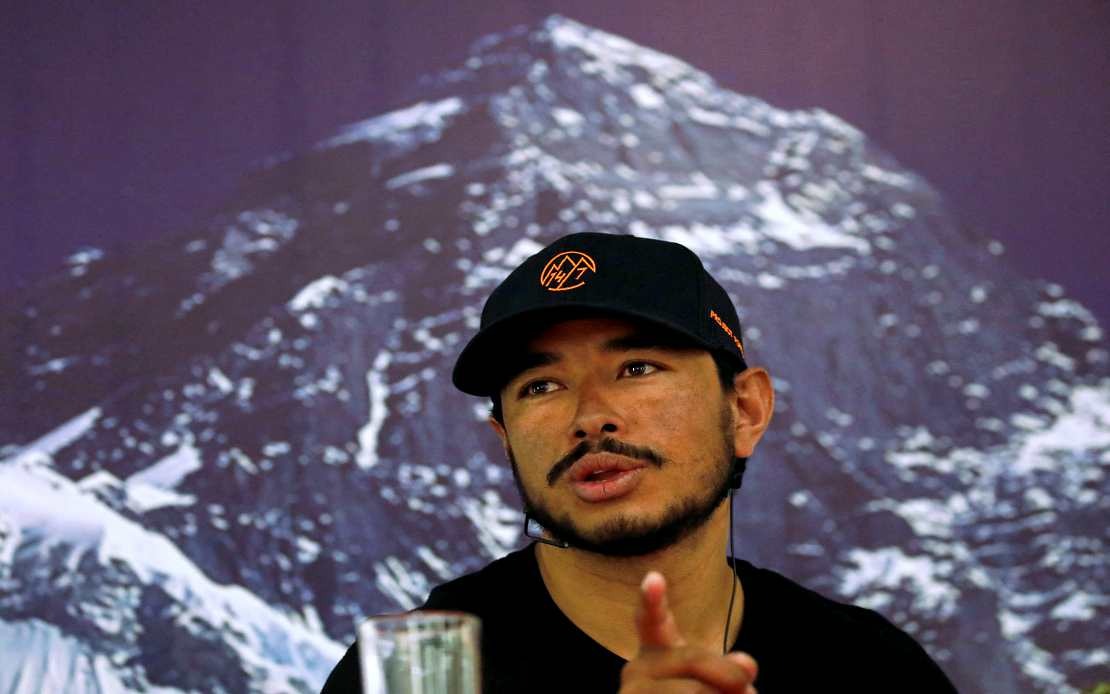
World-renowned mountaineer Nirmal Purja has been confirmed dead following an avalanche on Broad Peak, the world's 12th-highest mountain, in northern Pakistan. The 43-year-old British-based Nepalese climber was leading an expedition of ten mountaineers when the disaster struck around midday on Thursday. His company, Elite Exped, which he co-founded, confirmed his death through a statement released on Saturday after search and rescue operations concluded.
The avalanche tragedy claimed multiple lives on the mountain. In addition to Purja, the expedition lost two other experienced climbers: Pur Bahadur Gurung, known as Yukta, and Nima Sherpa. Elite Exped's public statement emphasised that the loss extended beyond individual grieving, describing it as a tragedy that affected interconnected networks of climbing professionals, guides, and their families. The company requested privacy for those mourning the victims while acknowledging the profound impact of the incident on the mountaineering community globally.
Purja's death represents a significant loss to the high-altitude climbing world. The 37-year-old British adventurer Bear Grylls, who shared connections within mountaineering circles, paid tribute to Purja on social media, highlighting his distinctive spirit and the widespread influence he wielded across the climbing community. Grylls emphasised that Purja's legacy transcended technical achievements, focusing on the personal relationships he built with fellow adventurers and the inspiration he provided throughout his career.
The mountaineer first captured international attention in 2019 when he accomplished an extraordinary feat: summiting all fourteen mountains on Earth with peaks exceeding 8,000 metres in just 189 days. This performance shattered the previous record by more than seven years, establishing a new standard in high-altitude mountaineering. His achievement began on April 23, 2019, with Annapurna, continued through Mount Everest in May, and K2 in July. This remarkable undertaking became the subject of a Netflix documentary, bringing Purja's accomplishments to mainstream audiences and introducing millions to extreme mountaineering.
Purja's background in military service significantly shaped his mountaineering career and philosophical approach to risk. He served sixteen years in the British armed forces, with a decade spent in special forces as a cold weather warfare specialist. His military training provided both technical skills and mental resilience essential for navigating the extreme environments above 8,000 metres, often referred to as the "death zone" because human bodies cannot acclimatise to such altitude indefinitely. In recognition of his pioneering achievements in high-altitude mountaineering, the late Queen Elizabeth II awarded him an MBE in 2018, acknowledging his exceptional contributions to the field.
Beyond his record-breaking climbs, Purja earned respect for his ethical stance within mountaineering culture. In 2016, he deviated from established conventions of the climbing world by mounting a solo rescue of a climber abandoned in the Everest death zone. Rather than adhering to the unwritten rule that climbers at extreme altitudes should not compromise their own safety for others, Purja successfully brought the stranded mountaineer to safety. This action demonstrated a commitment to human life that transcended the competitive nature of summit pursuits and illustrated his character beyond achievement metrics.
Purja holds the distinction of being the first Gurkha to summit Mount Everest while serving in the British military, a milestone that reflected both personal achievement and cultural representation. His Nepalese heritage combined with his British military service positioned him as a bridge figure within international mountaineering. This background made him particularly influential among climbing communities across South Asia and Southeast Asia, where his accomplishments inspired younger generations to pursue high-altitude mountaineering and pushed boundaries in professional climbing standards.
The tragedy on Broad Peak underscores the inherent dangers of extreme mountaineering, regardless of experience level or preparation. Matthew, another figure in the climbing world who maintained contact with Purja, shared his grief publicly, acknowledging that mountaineering demands profound respect despite the allure of achievement. His reflection captured a sentiment echoed throughout the mountaineering community: mountains inspire through their beauty while simultaneously exacting a steep price from those who pursue summits at the highest elevations. The physical and psychological toll of climbing in the death zone remains unforgiving, claiming experienced professionals alongside aspiring mountaineers.
For Malaysian and Southeast Asian readers, Purja's legacy extends beyond mountain-climbing records. His ascent from humble circumstances to international recognition demonstrated how Southeast Asian individuals could achieve distinction in globally competitive fields. The emphasis he placed on ethical conduct, particularly his rescue mission, provided an alternative narrative to climbing stories often dominated by personal achievement narratives. His military service and technical expertise created pathways that younger climbers from the region could aspire toward, establishing precedents for professional mountaineering careers emerging from South and Southeast Asia.
The avalanche that claimed Purja's life highlights the unpredictability of high-altitude mountaineering, where technical skill, physical conditioning, and mental preparation cannot guarantee survival. Broad Peak, despite being the twelfth-highest mountain globally, presents challenges comparable to more famous peaks like Everest and K2. The expedition Purja led consisted of experienced climbers, suggesting that even carefully organised ventures with professional guides cannot eliminate the mountain's inherent risks. This tragedy will likely prompt discussions within the climbing community about safety protocols, expedition planning, and the calculated risks inherent to pursuing summits in the world's most extreme environments.
Purja's death concludes a remarkable career spanning technical mountaineering achievements, military service, and humanitarian actions within extreme environments. His 189-day challenge to climb all fourteen eight-thousanders remains a testament to human capability and determination, while his rescue efforts demonstrated character extending beyond personal ambition. The mountaineering world has lost one of its most accomplished and ethically conscious practitioners, someone whose achievements inspired communities across multiple continents to reconsider what human beings could accomplish at the planet's highest elevations.

