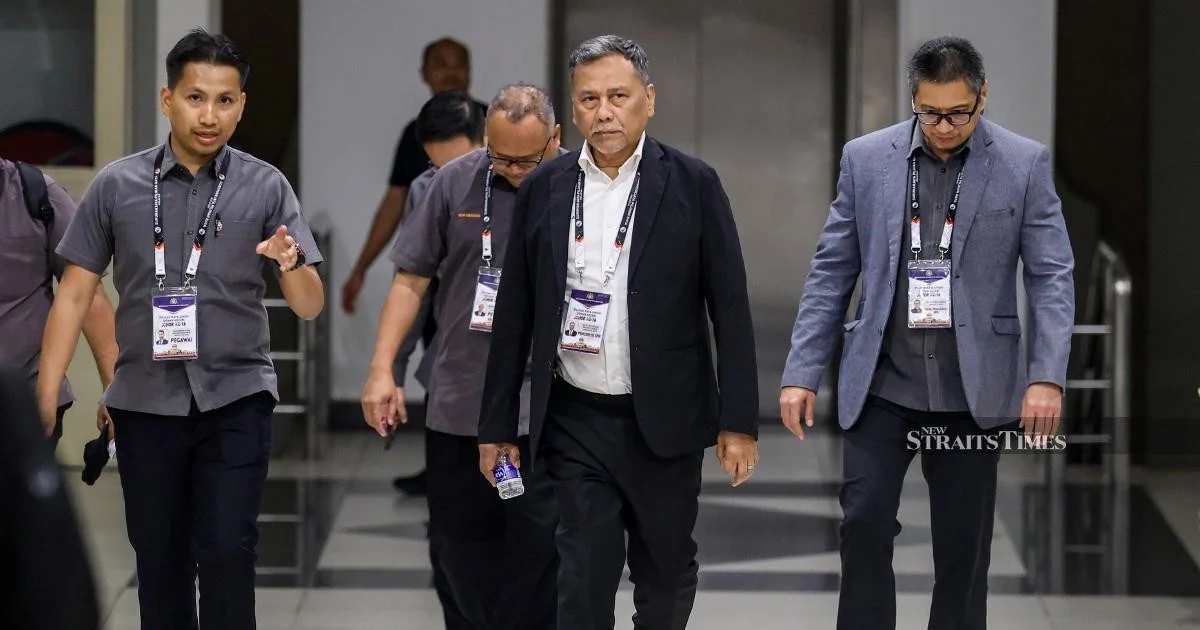
The Election Commission will undertake a comprehensive review of reported instances where voters have photographed their completed ballot papers and shared the images publicly on social media platforms, according to statements issued from Iskandar Puteri. The decision marks a notable shift in how Malaysian electoral authorities are approaching breaches related to ballot secrecy and digital behaviour during and after polling day.
The practice of voters documenting their voting choices through mobile phone photography has become increasingly common in Malaysia, particularly in recent electoral cycles. Social media platforms have enabled rapid distribution of such images, creating a grey area between personal expression and potential violations of electoral principles. The EC's announcement indicates growing concern about the prevalence and implications of this trend within the Malaysian political landscape.
At the core of this issue lies the question of ballot secrecy, a fundamental pillar of democratic elections. Traditionally, the confidentiality of a voter's choice has been protected through physical safeguards within polling booths and legal prohibitions on publicising one's voting decision. The rise of digital documentation challenges this principle in unprecedented ways, blurring the line between private choice and public declaration. The EC's decision to examine these cases suggests the commission is grappling with how electoral law and democratic values apply in the age of smartphones and viral content.
From a practical enforcement perspective, investigating such cases presents significant challenges for Malaysian authorities. Determining whether a specific ballot photograph was genuinely taken by the voter pictured, identifying the precise timing and location of uploads, and establishing clear intent all require substantial investigative resources. Moreover, the sheer volume of social media content generated during election periods means the EC must develop systematic approaches to case identification and prioritisation.
The announcement also reflects broader international conversations about election integrity in digital environments. Democracies worldwide face similar challenges as voters document their voting experiences for social media audiences. Malaysia's approach to reviewing these cases will likely influence discussions about the intersection of voting rights, free expression, and electoral regulations among other Southeast Asian nations navigating similar technological and social shifts.
Another dimension of concern involves the potential for coercion or vote-buying scenarios. While a voter independently sharing their ballot photograph represents one situation, the same photographic evidence could theoretically be requested by a third party seeking proof of voting compliance. The EC's review may encompass whether certain patterns of ballot photography suggest organised efforts rather than isolated incidents of social media sharing. Understanding the distinction between genuine voter autonomy and external pressure represents crucial investigative groundwork.
The timing of this EC review also matters within Malaysia's electoral calendar and political context. Growing scrutiny of social media behaviour during elections reflects increasingly polarised public discourse and concerns about election-related misinformation and coordination. By signalling attention to ballot-related content, the commission is acknowledging that electoral oversight must now extend into digital spaces previously considered beyond traditional regulatory frameworks.
Previous Election Commission guidelines and electoral regulations were drafted for a pre-social media era, creating ambiguity about how older laws apply to contemporary digital conduct. Some voters may genuinely be unaware that photographing their ballot constitutes any form of violation or concern. The EC's review process may therefore include an educational component, helping the Malaysian public understand which forms of digital election-related behaviour align with electoral integrity principles.
For political observers and analysts watching this development, the EC's stance suggests an institution attempting to balance multiple competing interests: protecting ballot secrecy and electoral integrity, respecting citizen freedoms and expression rights, maintaining proportionate regulatory responses, and adapting governance frameworks to technological change. How the commission ultimately handles identified cases will establish precedents affecting future elections and voter behaviour.
Malaysian civil society organisations focused on democratic governance and election monitoring will likely pay close attention to how the EC executes this review. The transparency of the investigation process, the criteria used for determining violations, and the proportionality of any consequences will all bear scrutiny. These factors will influence public confidence in the electoral process and perceptions of whether the EC is responding appropriately to legitimate governance concerns or overreaching into citizens' personal choices and expression.
The implications of this EC initiative extend beyond individual voter conduct to broader questions about Malaysia's electoral future. As digital platforms become increasingly central to political communication and public participation, electoral authorities face mounting pressure to develop sophisticated, fair, and effective approaches to governance in this space. The Election Commission's decision to review ballot photograph cases represents an early step in that ongoing process of adaptation and refinement.

