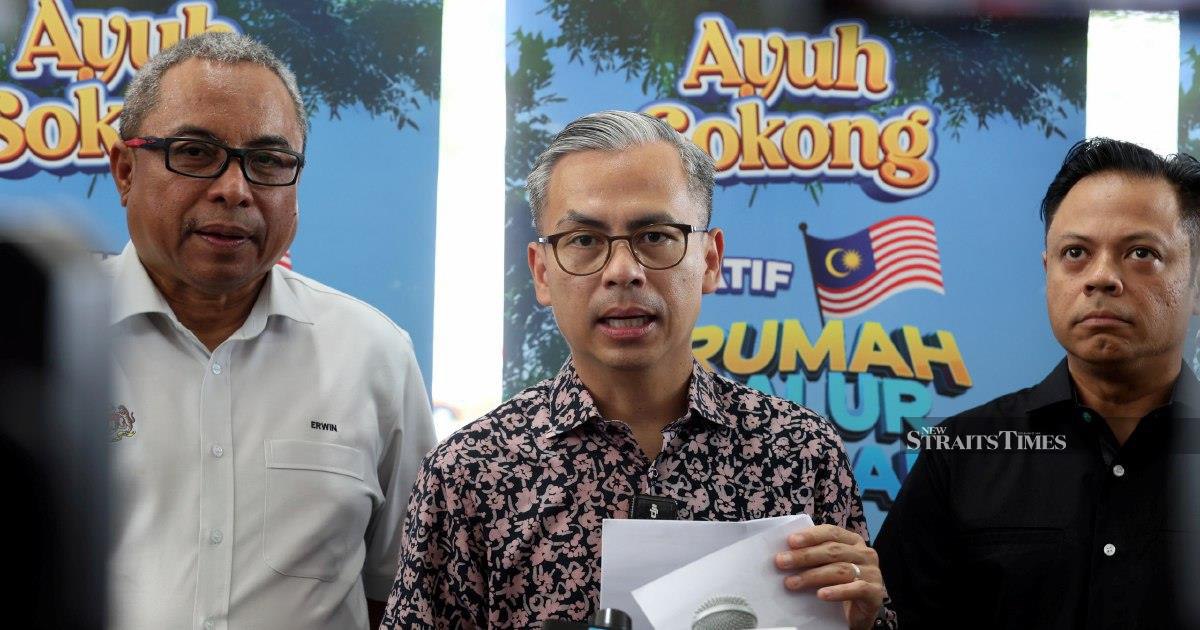
Prime Minister Datuk Seri Anwar Ibrahim has instructed the Election Commission to compile an updated evaluation of Sarawak's plan to establish 17 additional state assembly seats, according to a statement from government spokesman Datuk Seri Fahmi Fadzil. The directive represents a significant step in the ongoing discussion about electoral redistribution in Malaysia's largest state by area, where demographic changes and geographic considerations have prompted calls for parliamentary reform.
Sarawak's request to expand its legislative chamber from the current 82 seats to 99 represents one of the most substantial electoral reconfigurations proposed in recent years. The additional seats would need to be carefully mapped across the state's diverse geography, which spans over 124,000 square kilometres and encompasses both urban centres and vast rural territories. The redistribution would need to account for population distribution across constituencies ranging from densely populated areas like Kuching and Sibu to sparsely settled regions in the interior divisions.
The Election Commission's role in this process is critical, as the body bears responsibility for assessing the technical feasibility and constitutional compliance of any electoral boundary changes. An updated report would need to examine demographic trends, examine accessibility for voters across remote areas, and ensure that the proposed new constituencies meet established criteria for population equality and geographic viability. This comprehensive evaluation is essential before any legislative action can proceed.
Sarawak holds particular significance within Malaysia's federal structure, having negotiated special constitutional arrangements upon joining the federation in 1963. The state retains greater autonomy over its internal affairs compared to other Malaysian states, including control over its own state elections and electoral system. Any expansion of state assembly seats would therefore fall within Sarawak's constitutional purview, though the Election Commission's technical guidance remains invaluable for implementation.
The timing of this directive suggests renewed momentum behind efforts to update Sarawak's electoral structure. Population growth in major urban areas and changing settlement patterns have created pressure to ensure that state representation adequately reflects contemporary demographics. Some constituencies have grown substantially while others remain sparsely populated, creating questions about equal representation and effective governance across the state's diverse regions.
For Malaysian observers, this development carries implications beyond Sarawak itself. Electoral redistribution decisions in any state establish precedents and can influence broader conversations about federal electoral arrangements. The expansion of Sarawak's assembly would represent the largest deliberate increase in state legislative seats in recent memory, potentially drawing attention to representation questions in other states. The process through which this expansion is evaluated and implemented could shape future approaches to electoral reform across the federation.
The proposed expansion would also affect the calculation of Sarawak's influence within the broader Malaysian political landscape. More assembly seats could potentially influence the balance of state political power and alter the dynamics of coalition negotiations at both state and federal levels. Given Sarawak's established role as a significant political player with considerable federal influence, any changes to its internal electoral configuration warrant careful consideration of their broader ramifications.
Geographic and infrastructural challenges complicate the redrawing of Sarawak's electoral boundaries. The state encompasses terrain ranging from coastal plains to mountainous interior regions, with some constituencies requiring significant travel time for voters and officials. Any new constituencies must remain geographically coherent and administratively feasible, even in areas where population density is limited. The updated commission report will presumably address how these practical obstacles can be overcome while maintaining functional electoral divisions.
Implementation of expanded assembly seats would likely require simultaneous adjustments to state electoral procedures and administrative arrangements. The state government would need to ensure that returning officers, polling centres, and other electoral infrastructure could accommodate the larger number of constituencies. Sarawak's state elections, which do not necessarily align with federal election cycles, would need to be carefully planned to incorporate the new seats without disrupting established electoral calendars.
The Prime Minister's direction reflects a collaborative approach between federal and state authorities on this electoral matter. By tasking the Election Commission with producing a comprehensive updated report, the government is establishing a fact-based foundation for subsequent decisions. This methodical process contrasts with more rushed approaches to electoral reform and demonstrates recognition that alterations to a state's representation system demand careful technical and constitutional scrutiny.
Looking forward, the updated Election Commission report will likely become a crucial reference document in discussions between federal authorities and Sarawak's state government. The findings may clarify whether the proposed 17-seat expansion can be implemented without complications, what timeline might be realistic for implementation, and whether any constitutional or legal adjustments would be necessary. The report's conclusions will substantially influence whether this proposal moves toward realisation or requires modification.

