Malaysia's Election Commission is intensifying efforts to encourage voters to synchronise their electoral records with their actual places of residence, highlighting a systemic challenge that affects the integrity of the country's constituency-based democratic framework. Deputy Chairman Dr Azmi Sharom underscored this push during a recent radio appearance, explaining that the electoral system functions optimally only when voters participate in selecting representatives for the communities where they physically reside rather than maintaining ties to distant hometowns.
The underlying principle is straightforward yet frequently overlooked by Malaysian voters. Because Malaysia's government operates on a constituency basis, with State Assemblymen and Members of Parliament mandated to represent specific geographic areas, the electoral system presumes that voters exercise their franchise in places where they actually live and have a direct stake in local governance. When individuals cast ballots in constituencies hundreds of kilometres from their residences, a disconnect emerges between the electorate that chooses a representative and the population that representative ultimately serves. This misalignment can distort how effectively local representatives respond to the needs of their actual constituents.
Dr Azmi acknowledged a significant psychological barrier inhibiting address updates. Many Malaysian voters maintain sentimental connections to their hometowns and villages, viewing their original constituencies as repositories of personal and familial identity. This emotional attachment often outweighs practical considerations, leading voters to retain outdated addresses even after relocating for employment, education, or family reasons. The deputy chairman argued that while such sentiments are understandable, prioritising electoral participation in one's actual place of residence serves the broader democratic interest more effectively than preserving nostalgic voting patterns.
The technical process for updating voting addresses has become substantially more accessible and efficient than in the past. Voters must first ensure their identity card reflects their current address before modifying their electoral registration, a two-step process now streamlined through online channels. Critically, the Election Commission has shifted from a quarterly to a monthly electoral roll update cycle, dramatically accelerating the processing of address changes. This administrative evolution removes many of the previous logistical hurdles that discouraged voters from making necessary adjustments to their records.
For Malaysian voters contemplating relocation or those who have already moved but not updated their voting records, the convenience factor alone provides compelling motivation. Rather than requiring journey to distant constituencies on polling days, voters registered at their current addresses can vote locally, reducing time, expense, and inconvenience. This practical benefit becomes particularly pronounced for voters working in major urban centres like Kuala Lumpur or Selangor but maintaining registration in rural constituencies in Kelantan, Terengganu, or Sabah. The cumulative effect of such geographic mismatches across the electorate has broader implications for voter turnout and representation quality.
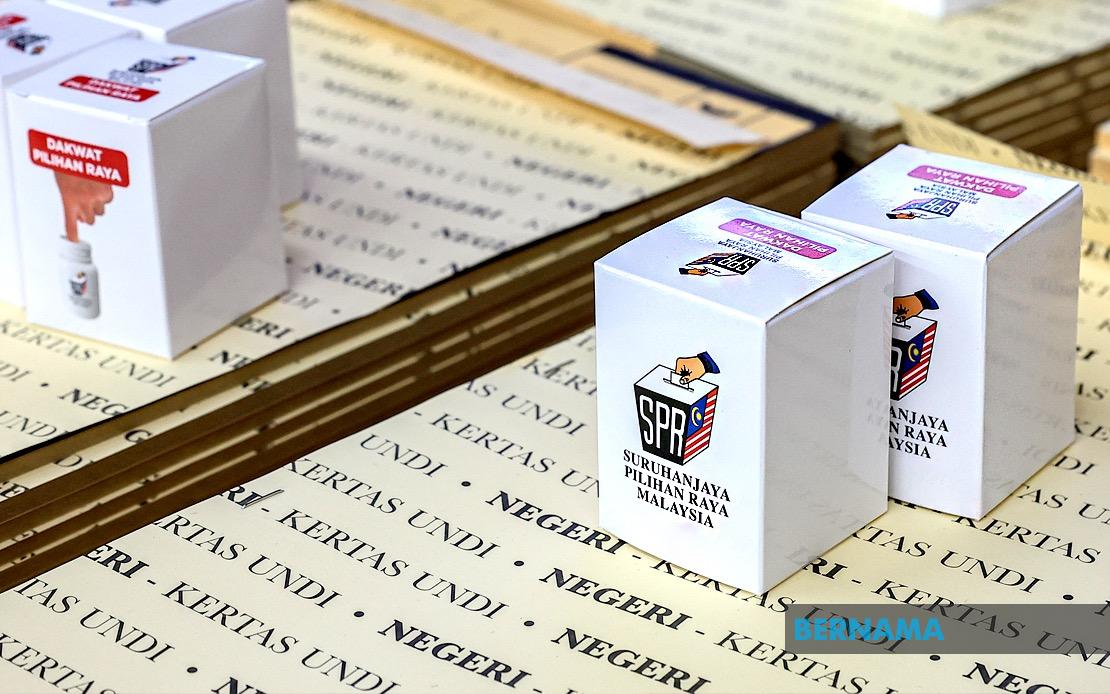
The commission's push gains particular urgency as Malaysia approaches state elections in two key jurisdictions. The Johor state election, scheduled for July 11, represented the more advanced preparations, with the Election Commission confirming that logistical arrangements were substantially finalised. Over 43,000 electoral personnel have been mobilised to administer voting in Johor, a deployment that reflects the scale of the electoral machinery. The Negeri Sembilan state election, by contrast, remained in earlier phases of preparation, with nomination procedures still pending and ballot papers not yet printed. Both elections provide fresh opportunities for voters to reconsider whether their current electoral registrations align with their residential circumstances.
The mobilisation of over 15,000 poll workers for the Negeri Sembilan election and the significantly larger contingent for Johor underscores the resource intensity of maintaining Malaysia's electoral apparatus. These personnel, ranging from poll station managers to ballot counters, depend on accurate voter records to execute elections smoothly. When substantial portions of the electoral roll contain outdated addresses, election workers face complications during the polling process, including challenges in locating and processing voters efficiently. The commission's efforts to promote address accuracy thus represent an acknowledgment that voter cooperation directly influences electoral administration quality.
Situated within Malaysia's broader democratic context, the commission's initiative reflects ongoing efforts to strengthen the mechanics of representative government. The transition from quarterly to monthly electoral roll updates demonstrates institutional responsiveness to practical challenges within the electoral system. Yet the underlying problem—voters maintaining registrations in constituencies disconnected from their actual lives—suggests deeper patterns in how Malaysians conceptualise political participation. The connection between physical residence and electoral representation remains contested when voters prioritise maintaining links to ancestral communities over formalising their stakes in places where they spend most of their time.
The implications extend beyond individual voter convenience or administrative efficiency. A constituency-based system that genuinely reflects the will of actual residents requires that representatives campaign, communicate, and campaign among the populations they serve. Candidates and elected officials logically direct their efforts toward mobilising voters who are substantially present within their constituencies. When large numbers of registered voters are scattered geographically, representatives may misallocate resources or misjudge community priorities based on distorted electoral rolls. This dynamic particularly affects representation in fast-growing urban areas absorbing migrants from other states, where demographic realities diverge from electoral records.
Dr Azmi's emphasis on the system's integrity suggests that the Election Commission views voter address verification as a foundational governance issue rather than a mere administrative convenience. Democracy functions through representation, and representation assumes congruence between those choosing representatives and those governed by their decisions. Malaysia's constituency-based model explicitly embodies this principle, making accurate voter rolls essential to democratic legitimacy. The commission's multifaceted approach—simplifying technical processes, accelerating update cycles, and publicly emphasising the importance of address accuracy—represents a comprehensive strategy to align electoral practice with democratic principle.
Looking forward, sustained efforts to encourage voters to maintain current addresses will likely require both continued administrative improvements and cultural shifts in how Malaysians understand their electoral participation. The two pending state elections provide immediate opportunities for voters to assess their own registration status and consider whether updates might improve their connection to local governance. For observers of Malaysian politics, the commission's campaign reveals important insights into how electoral systems evolve and how administrative institutions attempt to strengthen democratic practice through practical engagement with voter behaviour.

