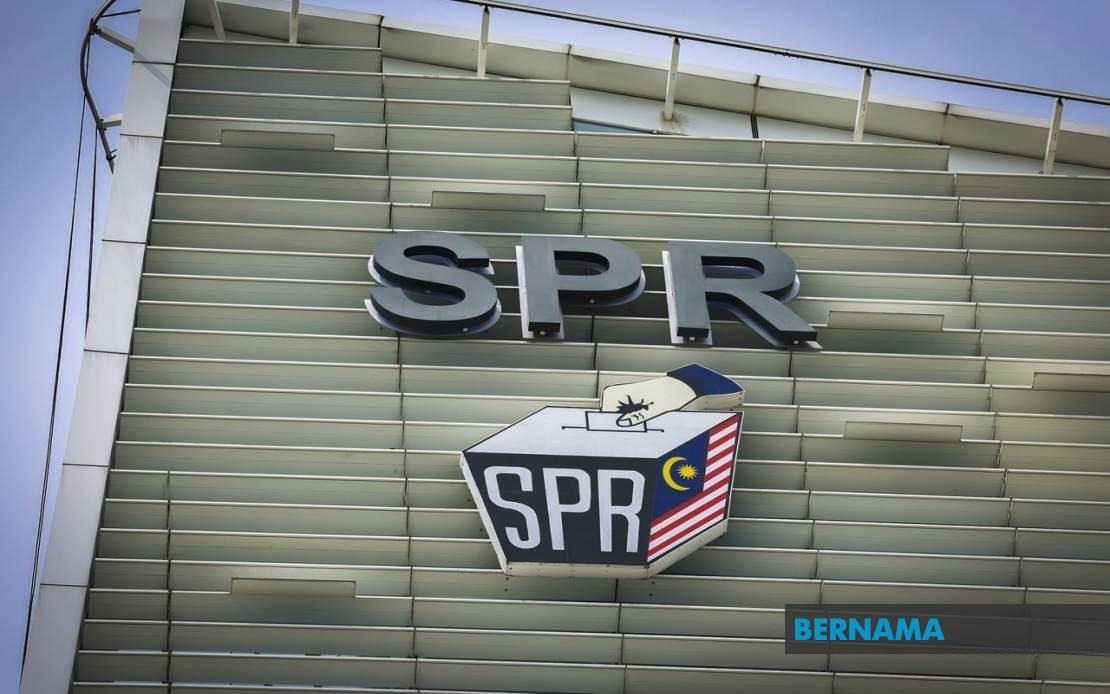
The Election Commission has begun distributing postal voting materials for the 16th Negeri Sembilan state election, issuing 13,263 ballot papers to eligible voters who will be unable to cast their votes in person on polling day. The distribution process took place in Seremban under strict regulatory oversight, with EC secretary Datuk Khairul Shahril Idrus confirming that all procedures adhered to the Elections (Postal Voting) Regulations 2003, ensuring the integrity of the voting mechanism ahead of the state's crucial electoral exercise.
The postal voting scheme reflects Malaysia's electoral system's recognition that certain categories of voters cannot physically attend polling stations. The largest contingent of postal ballots—12,669 papers—were issued under Form 1A, encompassing a diverse range of individuals including election officials, Election Commission members and staff, police personnel deployed on election duties, military personnel, and media practitioners covering the election. These groups perform essential functions either managing the electoral process itself or ensuring its transparency through journalistic coverage, thereby justifying their eligibility for postal voting arrangements.
A second category of voters receiving postal ballots comprised Malaysian citizens living overseas. The EC distributed 343 ballot papers under Form 1B to this diaspora population, recognizing the practical impossibility of international travel for those wishing to participate in their home state's democratic exercise. This provision underscores Malaysia's commitment to inclusive electoral participation and acknowledges the significant number of Malaysians residing abroad who maintain interest in domestic political developments. The relatively modest figure suggests that overseas registration or awareness of postal voting opportunities among diaspora communities may warrant further investigation.
A third allocation of 251 postal ballots was issued under Form 1C to personnel from eleven agencies operating within the security and health sectors. These employees, whose roles in police, military, customs, immigration, and health services necessitate their deployment during the election period, form another essential voter cohort that the postal voting mechanism accommodates. Their participation ensures that citizens serving the nation in critical functions retain their democratic rights despite operational requirements that may prevent their attendance at polling stations.
The distribution process maintained transparency and accountability through the presence of representatives from all 103 candidates contesting the 36 state seats, as well as representatives of independent candidates. This multi-party observation ensures that no single political entity can claim the postal voting system favours particular interests, establishing public confidence in the integrity of the mechanism. Such scrutiny represents a cornerstone of Malaysia's electoral management and reflects international best practices in democratic administration.
The Election Commission has issued comprehensive reminders to all postal voters regarding their responsibilities and obligations. Voters must accurately complete both their ballot papers and the Identity Declaration Form, commonly designated as Form 2, with particular attention to accuracy and completeness. Any errors or omissions could render votes invalid, potentially disenfranchising voters who have gone through the effort to register for postal voting. The administrative burden falls on voters to ensure compliance, making clear communication about requirements essential.
Timing presents a critical constraint for postal voters that distinguishes this mechanism from ordinary voting. All completed postal ballots must reach the relevant returning officers before 5pm on polling day itself, August 1. This deadline permits returning officers to process and verify postal votes before results compilation begins, but creates a narrow window for voters to complete and return their materials. Those mailing ballots domestically face particular risks of delays, while international voters confront near-impossibility of physical delivery within the timeframe, potentially explaining lower diaspora participation rates.
The Election Commission has equally emphasized the fundamental democratic principle of ballot secrecy, reminding postal voters to refrain from photographing their ballot papers or sharing such images on social media platforms. This directive addresses contemporary challenges to electoral integrity arising from digital communication technologies. The risk that voters might inadvertently or intentionally compromise ballot secrecy through social media sharing could invite concerns about vote buying, coercion, or undue influence. Voters must understand that preserving the sanctity of the secret ballot protects not merely individual privacy but the entire electoral system's legitimacy.
The broader electoral context provides important perspective on this postal voting exercise. The Negeri Sembilan state election will see 103 candidates competing across 36 state assembly constituencies on August 1, with early voting opportunities available on July 28 for designated voter categories. This configuration suggests competitive races across multiple seats, with the number of candidates indicating genuine multi-party participation beyond merely the major coalitions. The staggered voting arrangements reflect Malaysia's recognition that different voter groups have different availability patterns and operational requirements.
The electoral roll registered as of June 4, 2026, indicates that Negeri Sembilan possesses 889,490 eligible voters across multiple categories. The composition reveals 867,151 ordinary voters forming the overwhelming majority, supplemented by 16,884 military personnel and their spouses and 5,455 police personnel designated as early voters. This distribution demonstrates that whilst postal voting serves a necessary function, the vast majority of voters will participate through conventional polling station attendance. Understanding this proportionality helps contextualize postal voting within the broader democratic exercise rather than viewing it as a primary mechanism.
For Malaysian readers, particularly those in Negeri Sembilan, these postal voting arrangements represent tangible democratic infrastructure designed to ensure their voices contribute to state governance regardless of occupational or residential circumstances. The meticulous regulatory framework and multi-party oversight demonstrate the Election Commission's commitment to electoral integrity. However, voters relying on postal mechanisms must remain vigilant regarding deadlines and accuracy requirements, as administrative compliance ultimately rests with individual voters themselves. The approaching polling day will test whether these arrangements successfully balance accessibility with security and timeliness.

