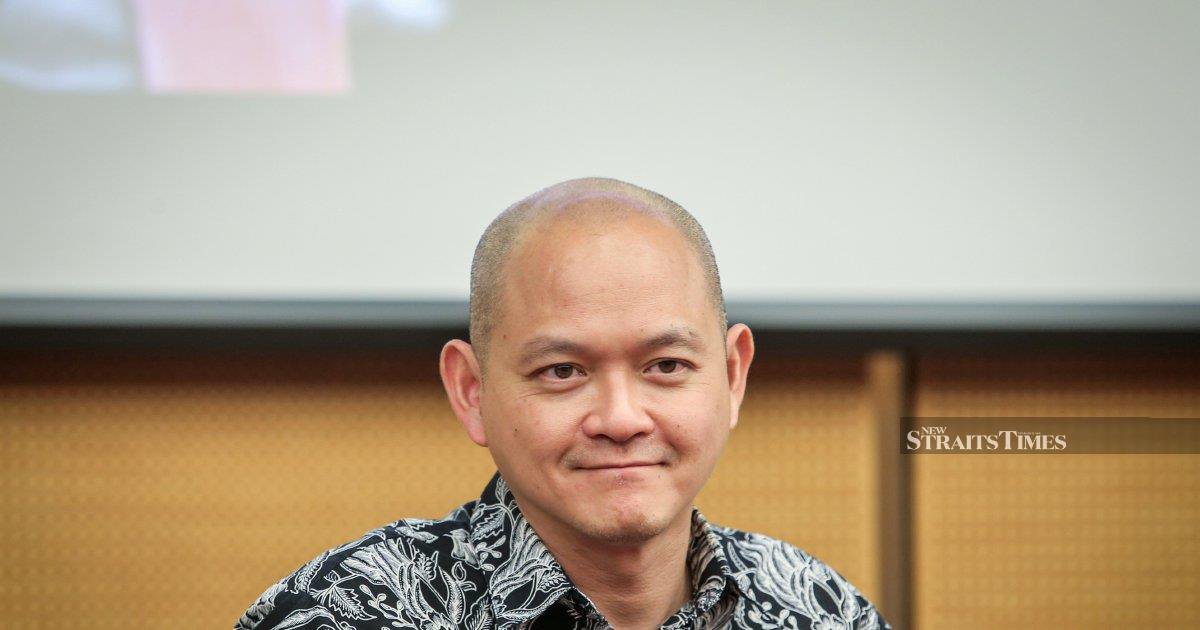
In a striking political move that signals shifting dynamics within Malaysia's opposition landscape, former Bangi Member of Parliament Dr Ong Kian Ming has publicly announced his resignation from the Democratic Action Party. The decision, which comes ahead of the anticipated sixteenth general election, underscores the fluid nature of coalitional politics in the country and reflects broader recalibrations among political figures seeking fresh platforms to advance their agendas.
Dr Ong's departure from DAP represents more than a routine party switch. His previous tenure as Bangi's MP provided him with a substantial constituency base and a track record of parliamentary engagement, making his exit from the opposition coalition particularly noteworthy. The former parliamentarian's decision to depart from an established opposition formation, rather than seek to influence it from within, suggests fundamental disagreements or a calculated assessment that his political objectives can be better served through alternative affiliations.
The timing of his resignation, explicitly linked to support for Khairy Jamaluddin's electoral ambitions, reveals the transactional nature of Malaysian political alignment. Khairy Jamaluddin, a prominent UMNO figure with ministerial experience and a significant political following, represents a different ideological and organisational framework compared to DAP's positioning. For Dr Ong to bridge this gap indicates either a reassessment of his political priorities or a strategic calculation about the electoral landscape and where his contributions might prove most consequential.
This development occurs within the broader context of Malaysia's evolving political ecosystem, where traditional party loyalties have become increasingly negotiable. The country has witnessed multiple realignments since the 2018 general election, including the Sheraton Move, the subsequent fall of the Pakatan Harapan government, and the complex coalition mathematics that have characterised recent parliamentary proceedings. Dr Ong's decision fits within this pattern of political fluidity, where experienced politicians regularly reassess their party affiliations based on perceived electoral prospects and policy alignment.
For the DAP specifically, the loss of Dr Ong represents a reputational challenge. The party has positioned itself as a progressive, reform-oriented alternative within Malaysia's political landscape, and the departure of a former parliamentarian to assist a UMNO figure could be interpreted as a setback in its ability to retain capable political talent. Simultaneously, it raises questions about the DAP's internal dynamics and whether its current strategic direction resonates with all its members and former representatives.
Khairy Jamaluddin's campaign welcomes Dr Ong's involvement at a time when UMNO and its coalition partners are preparing for the next electoral contest. Khairy, who has cultivated a reputation for youth engagement and digital-savvy campaigning, stands to benefit from Dr Ong's experience and established political networks. The former Bangi MP's knowledge of parliamentary procedures and coalition dynamics could prove valuable as UMNO navigates the complex political terrain leading to general election sixteen.
From a broader Malaysian perspective, this shift illustrates how individual political careers often transcend party affiliations, particularly when ambitious politicians perceive greater opportunities elsewhere. Dr Ong's move suggests he believes his political future lies outside DAP's current trajectory, a calculation that reflects either personal ambitions or genuine policy disagreements. The implications extend to voters in constituencies where Dr Ong might contest, as his change of platform could influence electoral outcomes and constituency representation.
The move also carries significance for understanding Malaysian voters' relationship with political parties. While established parties like DAP have substantial organisational capacity and electoral infrastructure, they cannot always retain talented individuals who perceive better prospects through alternative channels. This reality underscores the competitive nature of Malaysian politics and the premium placed on individual political capital and perceived electability.
For Southeast Asian observers tracking Malaysian politics, Dr Ong's departure from DAP represents another data point in the region's broader pattern of political realignment and coalition fragmentation. Malaysia's multi-ethnic, multi-party democracy creates unique pressures that sometimes pit party loyalty against individual political calculations, and this case exemplifies those tensions clearly.
As general election sixteen approaches, Dr Ong's involvement in Khairy Jamaluddin's campaign will likely attract continued scrutiny from political analysts, party loyalists, and voters. His credentials as a former parliamentarian with technical expertise could enhance Khairy's appeal to certain voter demographics, though it may also provoke questions about the nature of political commitment and whether party allegiances retain meaningful substance in contemporary Malaysian politics. The episode serves as a reminder that Malaysian political formations remain subject to significant personnel changes and strategic recalculations as electoral contests draw nearer.

