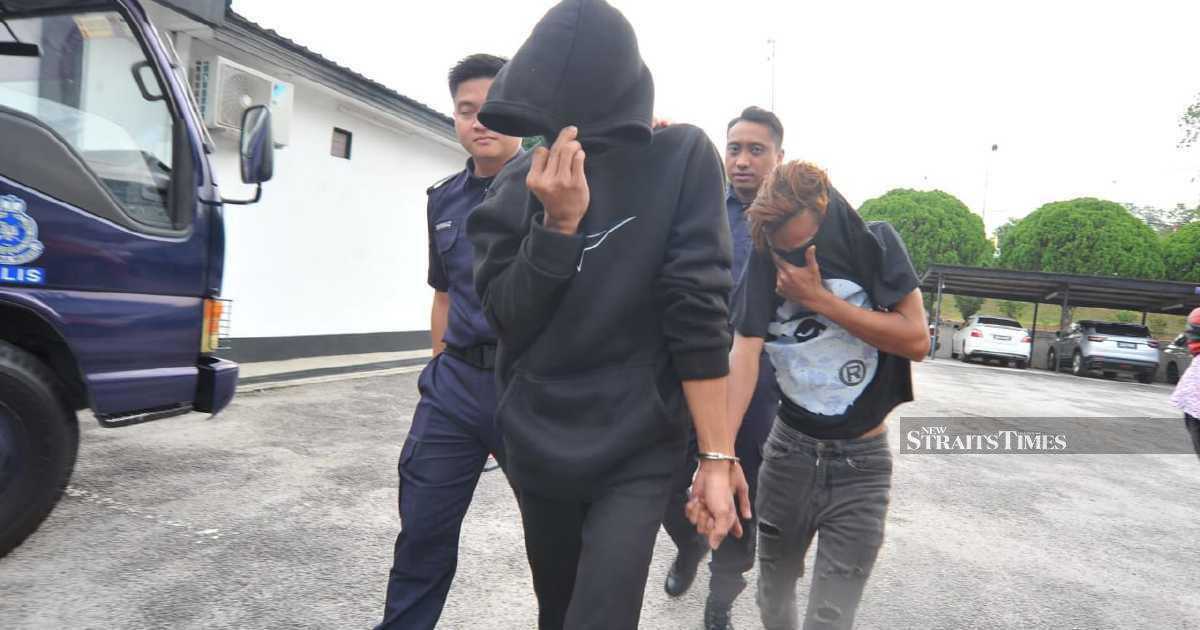
Two mechanics faced charges in Kulai magistrate's court today relating to an alleged illegal street race that unfolded on the Johor Second Link expressway last Saturday. Among those charged was a man with a disability, marking an unusual development in what authorities say was a reckless driving incident that endangered other road users on one of the busiest expressway routes connecting Malaysia and Singapore. The men have been accused of engaging in dangerous and reckless driving, a serious traffic violation that carries significant penalties under Malaysian law.
The Johor Second Link represents a critical transport corridor for the southern region, handling substantial daily traffic volumes between Malaysia and Singapore. The expressway is heavily monitored by authorities precisely because of the volume and speed of vehicles transiting the route daily. An alleged illegal race on this particular stretch raises particular concern given the constant flow of commercial vehicles, private cars, and buses that utilise the expressway, as well as the proximity to populated areas in Kulai.
Street racing has become an increasingly visible problem across Malaysia, particularly involving young drivers seeking thrills through high-speed competitions on public roads. Such activities not only endanger the perpetrators themselves but pose serious risks to innocent motorists, passengers, and pedestrians who happen to be sharing the same roadway. The incident on the Second Link exemplifies how urban and highway racing culture continues to pose challenges for traffic enforcement agencies across the country.
The involvement of a disabled individual in this alleged incident adds another dimension to the case. While disabilities vary widely and do not inherently prevent individuals from driving, the specific circumstances of reckless and dangerous driving charges raise questions about whether the driver's condition was a factor in the incident, or whether the charges reflect purely the driving behaviour demonstrated during the alleged race, independent of the individual's disability status.
Mechanics by profession would typically possess intimate knowledge of vehicle mechanics and performance capabilities, potentially increasing the likelihood that any race could reach dangerous speeds. This background context is relevant to understanding how the alleged incident might have unfolded and why such individuals might be particularly drawn to testing vehicle limits on open roads. The professional backgrounds of those charged add a layer of complexity to what might otherwise be a straightforward dangerous driving case.
The Second Link corridor has historically been subject to heightened traffic enforcement due to its importance as an international crossing and its high-traffic nature. The detection and charging of these individuals suggests that authorities are actively monitoring the expressway and responding to dangerous driving incidents. However, the occurrence of the alleged race underscores the ongoing challenge that law enforcement faces in preventing such activities despite increased vigilance.
Under Malaysian traffic law, reckless and dangerous driving carries substantial penalties, including potential custodial sentences, substantial fines, and licence suspension or revocation. The seriousness with which these offences are treated reflects public policy recognition of the grave dangers posed by uncontrolled high-speed driving on public roads. Conviction could significantly impact the defendants' ability to continue working as mechanics, given the likely impact on their driving records and professional standing.
This case arrives amid broader national efforts to reduce traffic casualties and dangerous driving incidents. Various campaigns and enforcement initiatives have been launched across Malaysia to combat street racing culture and discourage dangerous driving behaviours. The charging of these individuals represents one instance where such enforcement efforts have yielded results, though the prevalence of similar incidents suggests the underlying problem remains substantial.
The incident also highlights enforcement priorities for the Johor traffic authorities and the wider Royal Malaysia Police traffic division. Resource allocation decisions that permit adequate highway patrols and monitoring of key expressways like the Second Link remain crucial for detecting and preventing dangerous driving. The responsiveness of authorities to this particular incident demonstrates their commitment to maintaining road safety on critical transport corridors.
For Malaysian drivers and regular users of the Second Link, the case serves as a reminder of the ongoing risks posed by illegal street racing on expressways. The prevalence of such incidents, even on heavily monitored routes, suggests that driver education campaigns and awareness of legal consequences may require strengthening. The upcoming court proceedings will provide further details of the circumstances surrounding the alleged race and may establish important precedents regarding how such dangerous driving incidents are prosecuted and penalised in Malaysian courts.

