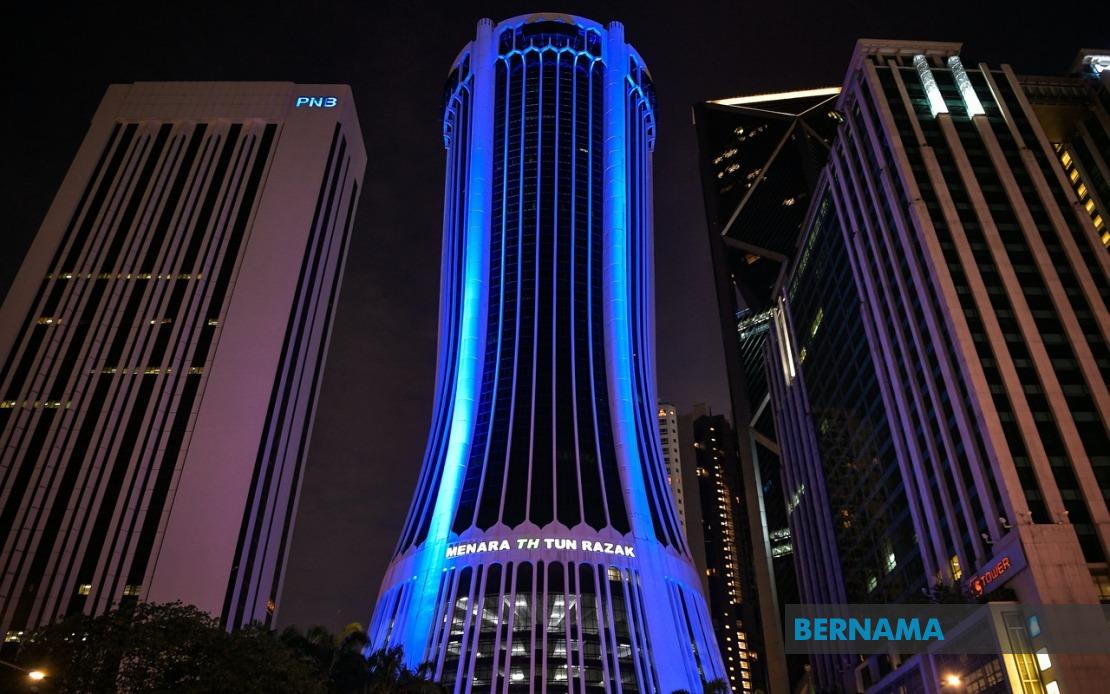
The release of the Royal Commission of Inquiry report into Lembaga Tabung Haji (TH) management practices has not eroded the fundamental trust that Malaysian Muslims place in the institution, according to accounts from depositors and analysts. For the vast majority of Muslim Malaysians, Tabung Haji transcends the ordinary functions of a financial institution, instead serving as a critical partner in fulfilling one of Islam's Five Pillars—the pilgrimage to Mecca. This spiritual and religious dimension distinguishes TH from conventional savings vehicles and explains why many depositors remain steadfast despite recent governance questions.
The emotional and religious investment that Malaysians have in Tabung Haji shapes how they evaluate the institution fundamentally differently from other financial entities. When individuals commit to saving with TH, they are not merely seeking investment returns; they are participating in a deeply personal journey toward a sacred religious obligation. This context is crucial for understanding why the RCI findings, while serious, have not triggered the kind of mass withdrawal or loss of confidence that might affect a conventional bank or fund manager facing similar scrutiny. For millions of working Malaysians, TH represents the most viable pathway to achieving the haj, given the long queues and substantial costs involved in pilgrimage.
Atiqah Shah Hadi, a 40-year-old tailor, exemplifies this unwavering commitment. She has maintained her TH account since childhood, when her father initially opened it for her, and remains focused on her anticipated turn to perform haj in 2033. Despite awareness of institutional issues, she continues to prioritise her savings deposits, viewing the delay as a necessary part of her spiritual preparation rather than a cause for alarm. Her perspective reflects a patience grounded in faith—the understanding that the haj journey is not a transaction to be rushed but a milestone toward which one steadily works throughout life.
Muhammad Haikal Abdul Halim, a 35-year-old civil servant, similarly demonstrates resolve in his commitment to TH. Despite his awareness of institutional challenges, he has not considered withdrawing his existing savings and instead plans to arrange salary deductions to increase his contributions. With an expected haj turn in 2032, he views the present moment as critical for accumulating sufficient funds. His intention to open accounts for his three young children—aged seven, four, and three—indicates that confidence extends across generations, with parents viewing TH as the appropriate mechanism for instilling Islamic values and preparing their offspring for future pilgrimage.
Academics and policy experts recognise that maintaining this confidence requires TH to address specific governance and financial management priorities. Dr Saizal Pinjaman, director of the Centre for Economic Development and Policy at Universiti Malaysia Sabah, emphasises that the institution must focus on two fundamental pillars: safeguarding depositors' savings and strengthening long-term financial and business sustainability. These are not separate concerns but interdependent—a weakened financial position ultimately threatens the security of individual accounts and the institution's ability to fund future pilgrims.
Transparency in financial reporting emerges as central to rebuilding and maintaining public trust. Dr Pinjaman stresses that TH must base profit calculations on comprehensively audited accounts that fully reflect all losses, asset impairment, and investment challenges, contextualized by prevailing economic conditions. The institution cannot afford to obscure difficult financial realities or distribute profits that masks underlying weaknesses. Instead, a realistic approach acknowledging market volatility and maintaining adequate reserves positions TH as a trustworthy custodian of depositors' long-term interests.
Another critical requirement involves detailed disclosure of the actual costs associated with haj assistance. Depositors benefit from understanding precisely what expenditure TH incurs in facilitating pilgrimage, from visa arrangements to accommodation to transportation. Such transparency builds confidence that the institution is efficiently deploying resources and that waiting times reflect genuine logistical constraints rather than mismanagement. When depositors see clear documentation of costs and understand the pathway to their pilgrimage, they become stakeholders invested in TH's success rather than suspicious observers.
Dr Noor Nirwandy Mat Noordin, a senior lecturer at the Centre for Media and Information Warfare Studies at Universiti Teknologi MARA Shah Alam, offers a longer historical perspective. He notes that TH has experienced crises but emerged strengthened, eventually gaining international recognition as one of the world's preeminent haj management organisations. This trajectory suggests that institutions can recover from governance failures if they undertake genuine reform and recommit to their core mission. The RCI report, from this viewpoint, represents an opportunity for TH to demonstrate responsiveness and recommit to the trust that millions of Malaysians have invested in it.
For Malaysian policymakers and TH leadership, the challenge is transforming depositor goodwill into a foundation for systemic improvement. The fact that confidence persists despite institutional scrutiny should not be interpreted as permitting complacency. Rather, it reflects a window of opportunity—a moment when the institution can implement reforms while maintaining public support. The religious and spiritual nature of the haj obligation creates a uniqueness in Malaysian society: depositors approach TH with patience and faith that might not extend to other financial institutions facing equivalent governance concerns.
The broader implications extend beyond Tabung Haji itself. The institution's continued importance in Malaysian Muslim life underscores how financial institutions serving religious purposes operate within different frameworks of public expectation and trust. Depositors appear willing to view TH through a lens of faith and long-term commitment rather than short-term commercial logic. This patience, however, is not infinite and depends on demonstrable progress in governance, transparency, and financial management. TH's leaders must recognise that maintaining this confidence requires not merely avoiding crisis but actively pursuing excellence in stewardship of Muslims' savings and pilgrimage dreams.

