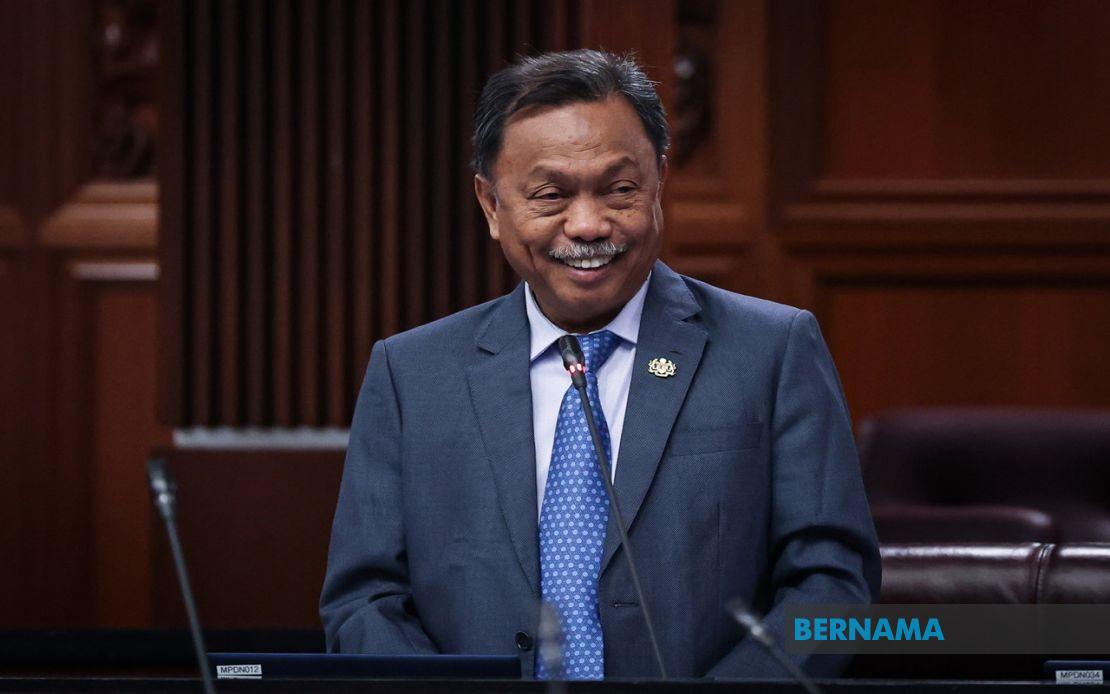
Datuk Dr Mohammad Yusof Apdal, the Deputy Minister of Science, Technology and Innovation, has categorically denied reports circulating on social media suggesting he has withdrawn from the federal government. Speaking in Lahad Datu on Wednesday, the Parti Warisan politician issued a statement through Bernama reaffirming his continued commitment to his ministerial duties and his role within the Unity Government coalition.
The deputy minister characterised the claims as untrue and deliberately malicious in nature. Rather than allowing the narrative to persist unchallenged, Yusof Apdal moved swiftly to address what he described as a coordinated attempt to spread misinformation. His decisive response underscores the growing concern among Malaysian public figures about the rapid dissemination of false information through social media channels, which can gain traction before official clarifications reach the wider public.
Yusof Apdal emphasised that he continues to serve as a member of the Unity Government administration and remains committed to the trust and responsibilities placed upon him by the administration. The statement serves as both a personal reaffirmation and a broader signal about his continued participation in the current federal coalition. For the Lahad Datu MP, maintaining his position within the government is crucial not only to his political standing but also to his ability to represent his constituency's interests at the federal level.
The deputy minister's concern extends beyond mere reputation management. He pointed out that the circulation of such false information creates broader public confusion and potentially undermines confidence in government communications more generally. When unverified claims gain traction on social media, the burden falls on individual officials to spend time and political capital countering narratives rather than advancing their substantive work on policy matters. This dynamic has become an increasingly familiar pattern in Malaysian politics, where viral rumours can temporarily dominate the news cycle before being thoroughly debunked.
In his statement, Yusof Apdal urged Malaysians to exercise greater caution when encountering political claims on social media platforms. He advocated for a more conscientious approach to information sharing, encouraging the public to verify information through official government channels and established news sources before amplifying claims further. This appeal reflects a broader push by government officials to combat misinformation through citizen responsibility rather than relying solely on top-down fact-checking efforts.
The timing of the resignation rumour is noteworthy given the ongoing complexities within Malaysia's political landscape. The Unity Government, formed following the 2022 election, has faced periodic tensions as various coalition partners navigate competing interests and policy priorities. Any suggestion that a government minister has quit therefore carries implications for the stability and cohesion of the ruling coalition. Yusof Apdal's swift denial serves to prevent speculation about potential fractures within the administration's ranks.
As the Member of Parliament for Lahad Datu, Yusof Apdal represents a Sabah constituency with distinct local development priorities. His continued participation in the federal government allows him to channel resources and attention toward his district's needs, from infrastructure projects to educational initiatives. Any actual departure from government would have material consequences for his constituency's ability to access federal support and programmes.
The deputy minister's background as a scientist and technology professional has shaped his contributions to his portfolio, focusing on innovation and digital advancement. These responsibilities require sustained engagement and strategic planning, particularly as Malaysia seeks to strengthen its position in the technology and innovation sectors regionally. A sudden change in the ministry's leadership would disrupt ongoing initiatives and strategic directions.
The incident highlights a persistent challenge for Malaysian political figures in the digital age: the need to manage their public image across multiple platforms while maintaining focus on governing responsibilities. The emergence of sophisticated disinformation campaigns, whether politically motivated or otherwise, creates an additional layer of complexity for ministers seeking to maintain public trust and transparency.
Government officials across Southeast Asia face similar challenges as social media becomes increasingly central to political communication. Malaysia's experience with this particular resignation rumour reflects broader regional struggles with managing misinformation in an environment where verification lags behind viral spread. The solution, as Yusof Apdal's statement suggests, requires both official vigilance in countering false claims and enhanced public media literacy.
Looking forward, this incident serves as a reminder of the fragility of political narratives in the digital era. Officials must remain proactive in addressing misinformation promptly while simultaneously pushing back against disinformation fatigue—the tendency for audiences to tune out after repeated cycles of rumour and denial. For Yusof Apdal and his ministry, the focus now returns to substantive work on science and innovation policy, though the episode may have consumed valuable time and attention that might have otherwise been directed toward pressing policy challenges affecting Malaysia's technological development and competitiveness in the region.

