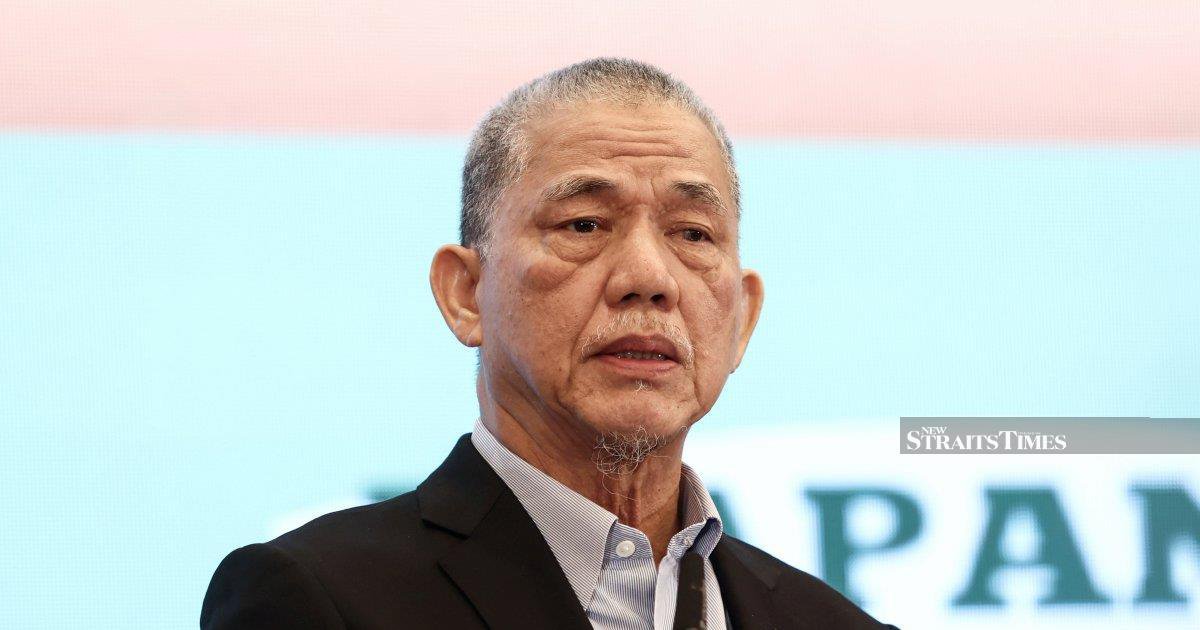
Deputy Prime Minister Datuk Seri Fadillah Yusof is progressing steadily in his recovery after undergoing a major cardiac intervention at the National Heart Institute (IJN) in Kuala Lumpur. The coronary artery bypass grafting (CABG) procedure, which took place on August 12, has been deemed successful, with medical reports indicating that the senior minister's post-operative condition remains encouraging as he continues his rehabilitation journey.
The CABG procedure represents a significant but now-routine intervention in managing severe coronary artery disease, where surgeons create alternate pathways around blocked or narrowed vessels supplying blood to the heart muscle. In Fadillah's case, the surgical team at IJN successfully completed the grafting process, which typically involves harvesting healthy blood vessels from other parts of the body to redirect blood flow around the problematic areas. This type of surgery is generally considered more invasive than percutaneous interventions, requiring a longer recovery period but often providing more durable results for patients with extensive coronary disease.
Fadillah's hospitalization and subsequent recovery underscore the ongoing health management challenges faced by Malaysia's senior political leadership. As the second-highest office holder in the country's governmental hierarchy, his health status carries implications not only for his family but also for the broader continuity of Malaysia's executive functions. The Deputy Prime Minister holds responsibility for several critical national portfolios and plays a central role in coordinating government operations, making his recovery timeline a matter of public interest.
The National Heart Institute, where Fadillah underwent his procedure, is widely recognized as one of Southeast Asia's leading cardiac care facilities. The government institution has built considerable expertise in managing complex coronary cases and has assembled surgical teams with significant experience in CABG procedures. The choice of IJN for such a high-profile case reflects confidence in the institution's capabilities and reinforces the credibility of Malaysia's public healthcare infrastructure for managing cardiac emergencies among the nation's elite.
Cardiac events among senior government officials often spark broader national conversations about health surveillance and preventative care among high-stress occupational groups. The demanding nature of the Deputy Prime Minister's role—involving irregular hours, high-pressure decision-making, and significant travel commitments—exemplifies the lifestyle factors that can contribute to cardiovascular disease progression. Fadillah's case serves as an implicit reminder of the importance of regular health screening, early detection of coronary artery disease, and prompt intervention when narrowing is identified.
The recovery trajectory following CABG typically extends over several weeks to months, with most patients resuming normal activities within six to twelve weeks depending on individual circumstances. The initial phase, in which Fadillah currently appears to be, focuses on pain management, wound healing, and gradual resumption of physical activity. Medical protocols typically include supervised physiotherapy, careful monitoring of vital signs, and gradual increases in mobility to prevent complications such as blood clots or infection.
From a governance perspective, Fadillah's medical leave raises questions about succession planning and continuity in his ministerial responsibilities. While Malaysia's constitutional framework provides for the automatic assumption of duties by designated successors during the temporary incapacity of senior officials, the operational transition of complex portfolios requires careful coordination. Government officials have not publicly disclosed detailed information about how his responsibilities are being managed during this recovery period, reflecting the cautious approach typically adopted regarding sensitive health matters involving heads of state or senior executives.
The timing of Fadillah's surgery in mid-August, during a period when Malaysian politics had been relatively settled following earlier transitions in government formation, suggests that the medical team identified the need for intervention through routine screening or symptomatic assessment. The decision to proceed with surgery rather than pursue less invasive alternatives such as percutaneous coronary intervention indicates that the cardiologists involved assessed his coronary anatomy as most appropriately managed through surgical revascularization.
The public disclosure of Fadillah's recovery progress serves multiple functions within Malaysia's political and social context. It demonstrates transparency regarding the health status of senior leadership, reassures the public and international observers about governmental continuity, and indirectly encourages other citizens to pursue appropriate cardiac screening. As cardiovascular disease remains a leading cause of morbidity and mortality in Malaysia, high-profile cases can subtly influence public health behavior and awareness.
Looking forward, Fadillah's successful operation and ongoing recovery trajectory suggest a favorable prognosis for his return to full ministerial duties. CABG procedures, when performed on appropriately selected candidates by experienced surgical teams, deliver significant long-term benefits in terms of symptom relief and prognostic improvement. His age, overall health status prior to the procedure, and the fact that surgery was performed at a tertiary care facility specializing in cardiac intervention all contribute to a reasonably optimistic outlook for resumed engagement in his governmental responsibilities within the projected timeframe.

