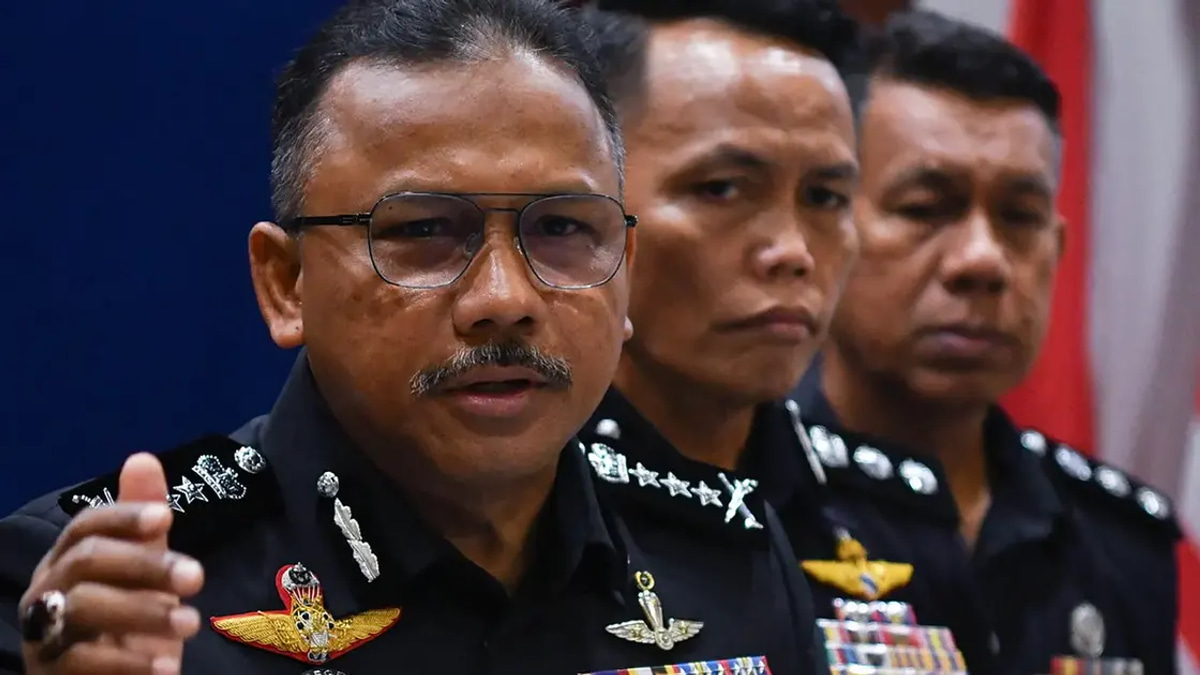
Malaysia's Defence Minister Khaled has pressed for an urgent acceleration of the investigation into deaths that occurred during military grenade training exercises, signalling heightened political attention to the matter and concerns about operational safety within the armed forces.
Following the fatal incidents, the army has implemented a comprehensive suspension on all training activities involving grenades, a measure that underscores the seriousness with which military leadership is treating the situation. This moratorium will remain in effect throughout the duration of the investigative process, effectively halting a critical component of combat preparation for personnel across the service.
The decision to suspend grenade training across the board represents a significant operational disruption for the Malaysian Armed Forces, which relies on such exercises to maintain readiness and ensure troops receive essential instruction in explosive device handling and deployment. The temporary cessation of these drills could have cascading effects on training schedules and force preparation timelines, potentially impacting operational capabilities across multiple units.
Khaled's public intervention in calling for expedition of the probe indicates that the incidents have attracted ministerial-level scrutiny and suggest concerns may extend beyond routine military accident protocols. The push for accelerated investigation procedures signals that authorities recognize the need for swift answers to restore public and institutional confidence in training methodologies and safety standards.
Grenade training fatalities within military contexts raise critical questions about instruction protocols, equipment maintenance, and adherence to safety procedures. Such incidents, particularly when they result in multiple deaths, often trigger comprehensive reviews of training doctrine, supervision standards, and the adequacy of protective equipment and facilities used during exercises.
For Malaysia's defence establishment, the timeliness of the investigation carries particular weight given ongoing security challenges in the region and the necessity for the armed forces to maintain operational effectiveness. Any extended disruption to training programmes could potentially impact the force's capacity to respond to emerging security threats, making the resolution of the investigation all the more pressing from both a safety and operational perspective.
The suspension of grenade training reflects established military procedure following significant training accidents, ensuring that root causes are identified and addressed before personnel are again exposed to similar risks. This cautionary approach, while operationally constraining, prioritizes personnel safety and allows investigators to examine facilities, equipment, procedures, and circumstances without ongoing operational pressure.
Investigations into military training deaths typically examine multiple factors including the qualifications and experience of instructors, the condition and specifications of training materials, environmental conditions at the time of the incident, compliance with established safety protocols, and whether any equipment malfunctions contributed to the outcomes. The thoroughness of such inquiries is essential for identifying systemic issues that might require remedial action across the force.
From a broader regional perspective, training fatalities within Southeast Asian militaries have occasionally prompted international attention and scrutiny regarding operational standards. The manner in which Malaysia handles its investigation and subsequent corrective measures could influence perceptions of the armed forces' professionalism and commitment to personnel welfare, particularly among regional partners and defence observers.
The Defence Minister's emphasis on expediting the probe suggests recognition that prolonged uncertainty surrounding the incident's circumstances could undermine confidence in military leadership and training standards. Swift completion of investigative work, coupled with transparent communication about findings and remedial measures, will be important for restoring institutional credibility.
Once the investigation concludes and findings are consolidated, the military will likely face decisions about whether modifications to training protocols, facility upgrades, or additional oversight mechanisms are warranted. Such determinations could reshape how grenade instruction is conducted across the armed forces and potentially influence training practices more broadly.
The temporary suspension of grenade training, while necessary from a safety standpoint, also highlights the dependence of modern militaries on such training to maintain operational readiness. The longer the suspension extends, the greater the potential impact on force preparation and the more pressing the need for investigative closure becomes.