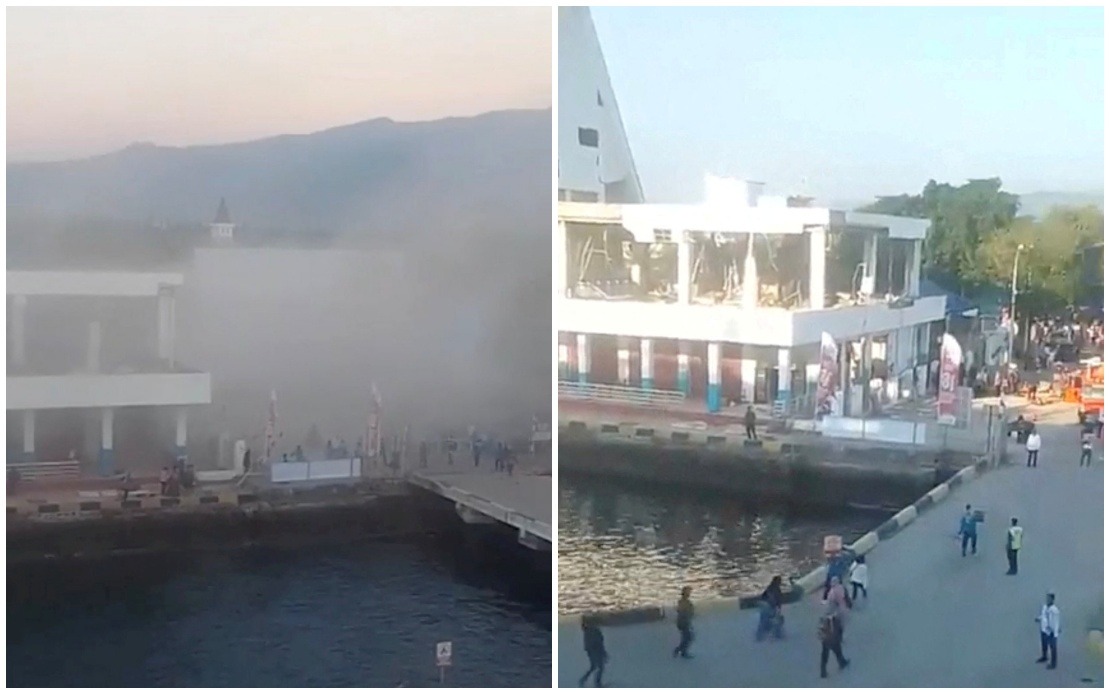
A devastating 7.7 magnitude earthquake that struck off the coast of Flores Island in eastern Indonesia on Saturday has claimed at least 20 lives, with emergency officials warning that the casualty count may yet rise as rescue operations unfold across affected communities. The seismic event, which was centred near Mbay town in Nagekeo Regency, has left six others injured and two people still unaccounted for, according to the Maumere Search and Rescue Office. The destructive quake triggered a series of powerful aftershocks that compounded the initial impact, forcing authorities to implement emergency protocols across the region.
Governor Melki Laka Lena of East Nusa Tenggara province provided grim details of the physical devastation during a press conference held in Kupang, describing widespread structural damage across residential areas and critical infrastructure failures throughout the affected zone. Numerous homes and commercial buildings sustained severe damage or complete collapse, whilst critical transport arteries remain impassable due to substantial landslide activity that has blocked multiple road sections. The governor acknowledged that disaster assessment teams are still gathering comprehensive data, indicating that the full scope of destruction has yet to be quantified as rescue operations intensify throughout the region.
Social media footage captured the raw horror of the earthquake's immediate aftermath, with disturbing images showing building facades crumbling into clouds of dust and concrete debris whilst terrified residents rushed frantically into streets seeking shelter. The panic visible in these recordings underscores the sudden and violent nature of the seismic event, which provided little warning before structural collapse began claiming lives and injuring others throughout populated areas of Flores Island.
The earthquake triggered an initial tsunami warning that prompted coastal residents to evacuate towards higher ground. However, Indonesia's Meteorology, Climatology and Geophysics Agency subsequently lifted the tsunami alert after determining that the threat had diminished sufficiently. Nevertheless, the agency has issued continued public warnings urging residents to maintain heightened awareness regarding the ongoing risk of powerful aftershocks, which pose ongoing danger to weakened structures and anyone navigating damaged infrastructure.
The cascading effects of the earthquake extended well beyond the immediate impact zone, as transportation networks throughout East Nusa Tenggara province experienced significant disruption. Multiple commercial flights serving the region were cancelled, isolating affected communities from external supply chains and hindering the delivery of emergency relief supplies and medical personnel to impacted areas. This transportation paralysis compounds the challenges facing rescue workers and exacerbates the humanitarian situation for survivors attempting to access critical services.
The Chinese Consulate General in Denpasar issued formal guidance to Chinese nationals within its jurisdiction, particularly targeting the substantial tourist population visiting Labuan Bajo and other popular destinations throughout the region. The consular warning specifically advised visitors and residents to exercise extreme caution regarding potential aftershock activity and tsunami risk, whilst explicitly instructing people to avoid coastal zones where secondary seismic waves could generate dangerous water surges. This directive reflects the serious continuing threat posed by the earthquake's aftereffects and demonstrates how international communities are responding to the crisis.
For Malaysian and Southeast Asian observers, this catastrophic event carries particular significance given the region's shared geological vulnerability. The incident serves as a stark reminder that seismic risks remain omnipresent across the broader Indo-Pacific region, where tectonic plate interactions regularly generate major earthquakes capable of claiming significant numbers of lives and destroying critical infrastructure in minutes. Indonesia's position along the Pacific Ring of Fire means such events, whilst devastating when they occur, represent an ongoing hazard that emergency management systems must prepare for continuously.
The disaster also highlights the critical importance of resilient infrastructure and comprehensive emergency response coordination across Southeast Asia. Nations throughout the region, including Malaysia, must evaluate whether their building codes, emergency warning systems, and disaster response protocols match the magnitude of seismic threats they face. The rapid escalation of the casualty count and communication challenges evident in the Indonesian response demonstrate how quickly major disasters can overwhelm local resources and necessitate regional cooperation.
Rescue teams continue systematic operations throughout the affected territories, conducting search operations amid hazardous conditions created by unstable debris, ongoing aftershocks, and damaged transportation infrastructure. These dangerous conditions significantly slow recovery efforts and increase the risk to emergency personnel working to locate survivors and retrieve deceased persons for proper burial. The psychological and logistical challenges facing rescue workers should not be underestimated, particularly in remote areas where access remains severely restricted.

