Kuala Lumpur City Hall (DBKL) has unveiled a three-pronged package of reforms designed to create a more welcoming operating environment for the capital's business community. The initiatives, which came into effect in August, represent a deliberate shift toward reducing red tape and operational friction that traders have long identified as barriers to growth and expansion. The improvements span outdoor dining infrastructure, construction-related approvals, and public health compliance procedures—areas that touch virtually every commercial enterprise in the city.
The most visible of these changes concerns the formalisation of outdoor seating arrangements, a feature of Kuala Lumpur's streetscape particularly important to the food and beverage sector. DBKL has set a standard monthly permit fee of RM30 per set of tables and chairs on five-foot ways, bringing clarity to a cost structure that previously lacked transparency. This pricing mechanism applies universally across all eligible traders, irrespective of their business model or premises category. The standardisation itself carries significance; it signals DBKL's commitment to eliminating discretionary practices that can breed inconsistency and favouritism across different branch offices.
Applications for these outdoor seating permits flow through DBKL's constituency-based branch network, where staff assess suitability based on specific geographical and infrastructural criteria. The approval framework maintains safeguards to protect essential urban functions: pedestrian movement must remain unobstructed, wheelchair accessibility cannot be compromised, and emergency service access must be preserved. These requirements, while adding a layer of vetting, reflect genuine public safety concerns rather than arbitrary bureaucratic gatekeeping. For traders accustomed to ambiguous standards, this transparent framework offers predictability and reduces the likelihood of costly rejections after investment.
Beyond outdoor seating, DBKL has dramatically simplified the approval pathway for minor construction and renovation works—a category encompassing tile replacement, ceiling upgrades, and similar non-structural modifications. Rather than navigating a formal permitting maze, applicants now need only complete a straightforward notification form submitted to their respective branch office. The reduction in documentation and processing steps is substantial, yet DBKL has maintained its oversight capacity through direct issuance at the branch level. This streamlining proves particularly beneficial for small operators who lack dedicated compliance staff and who often defer necessary maintenance due to bureaucratic friction. By lowering administrative barriers without sacrificing safety inspections, DBKL has created space for traders to invest in facility improvements that ultimately benefit customers and the broader commercial ecosystem.
The third reform addresses a pain point that has frustrated food service operators for years: the extended closure periods imposed when premises fail hygiene inspections. Under the revised protocol, venues ordered to shut for food safety violations can now request reopening as soon as 24 hours after remedial cleaning is completed. This expedited timeline acknowledges that closures impose severe economic hardship on businesses and their employees, particularly in a sector where daily revenue fluctuations are pronounced. However, DBKL has been careful to couple acceleration with verification; reopening remains contingent on physical inspection by DBKL officials who must confirm that all hygiene and food safety standards have genuinely been met. The distinction between automatic reopening and expedited conditional reopening is critical—the latter preserves public health integrity while reducing unnecessary business disruption.
The policy framework governing all three measures explicitly prioritises consistency and equity. DBKL emphasises that improvements extend to all traders meeting stipulated requirements, without regard to background or premise type. This universalist approach counters perceptions that favour flows toward certain business communities while others encounter obstruction. Standardised processes at the branch level, enforced through clear documentation and requirements, create an audit trail that reduces administrative discretion and provides recourse mechanisms for aggrieved traders. Such formalisation, while potentially constraining individual officer flexibility, builds public confidence in institutional fairness—a foundation essential for voluntary compliance and healthy business-government relations.
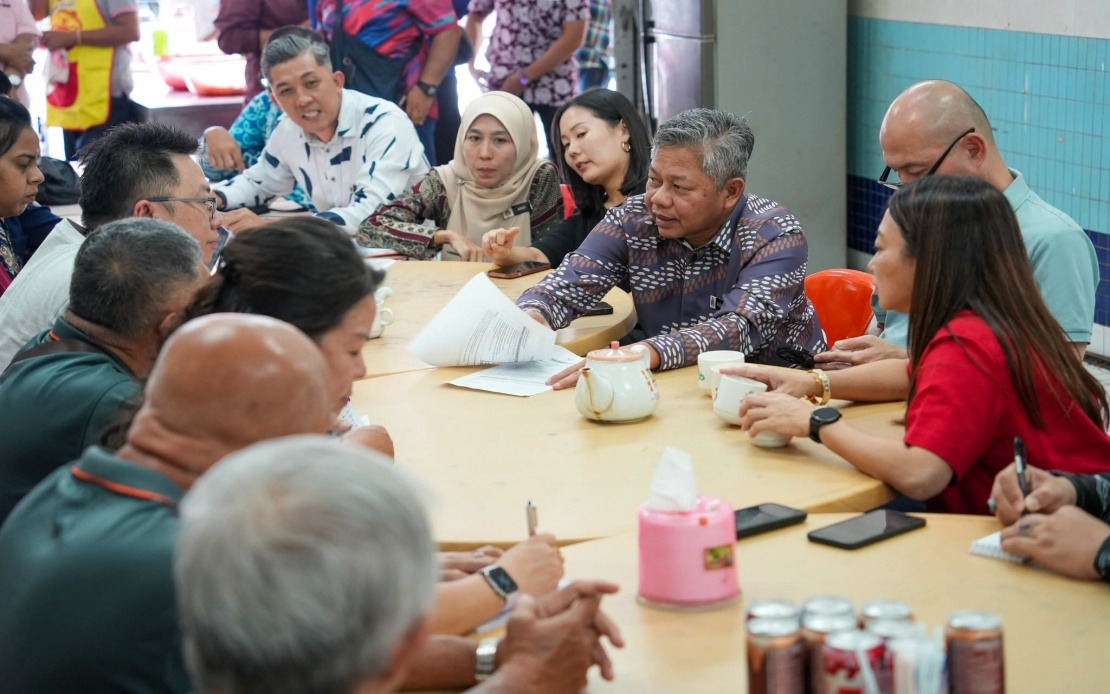
These reforms did not emerge in isolation from stakeholder concerns. They followed engagement sessions involving Minister in the Prime Minister's Department (Federal Territories) Hannah Yeoh, Kuala Lumpur Mayor Datuk Seri Fadlun Mak Ujud, and representatives of the Selangor and Kuala Lumpur Chinese Coffee Shop and Tea Shops Owners' Association, underscoring the consultative basis for policy design. A separate dialogue with the Malaysian Muslim Restaurant Owners' Association (PRESMA) in April specifically addressed reopening timeframes and hygiene closure protocols. This demonstrated consultation pattern indicates that DBKL recognises its legitimacy depends on responsiveness to those it regulates, and that sustainable policy requires buy-in from affected communities.
For Malaysia's broader business community, particularly in the Federal Territories and comparable urban centres, these DBKL initiatives offer a blueprint for regulatory modernisation. The measures acknowledge that government's role is not to obstruct commerce through unnecessary friction but to establish clear rules that enable activity while protecting legitimate public interests. By quantifying fees, codifying procedures, and accelerating timelines, DBKL has reduced the transactional costs of business operations—costs that ultimately get passed to consumers or absorbed as foregone investment. The approach also reflects a subtle but important governance shift: recognition that consistency and transparency matter as much as substantive policy content.
The effectiveness of these reforms will ultimately depend on implementation fidelity across DBKL's branch network. The stated intention to standardise processes, requirements, and enforcement at the decentralised level is commendable, yet field experience often reveals gaps between policy announcement and operational reality. Training of branch-level staff, monitoring of decision-making patterns, and mechanisms for appeal or escalation when inconsistencies emerge will prove essential to realising the reforms' intended benefits. Malaysian business operators have previously experienced well-intentioned announcements that failed to translate into consistent practice, making verification through experience crucial.

