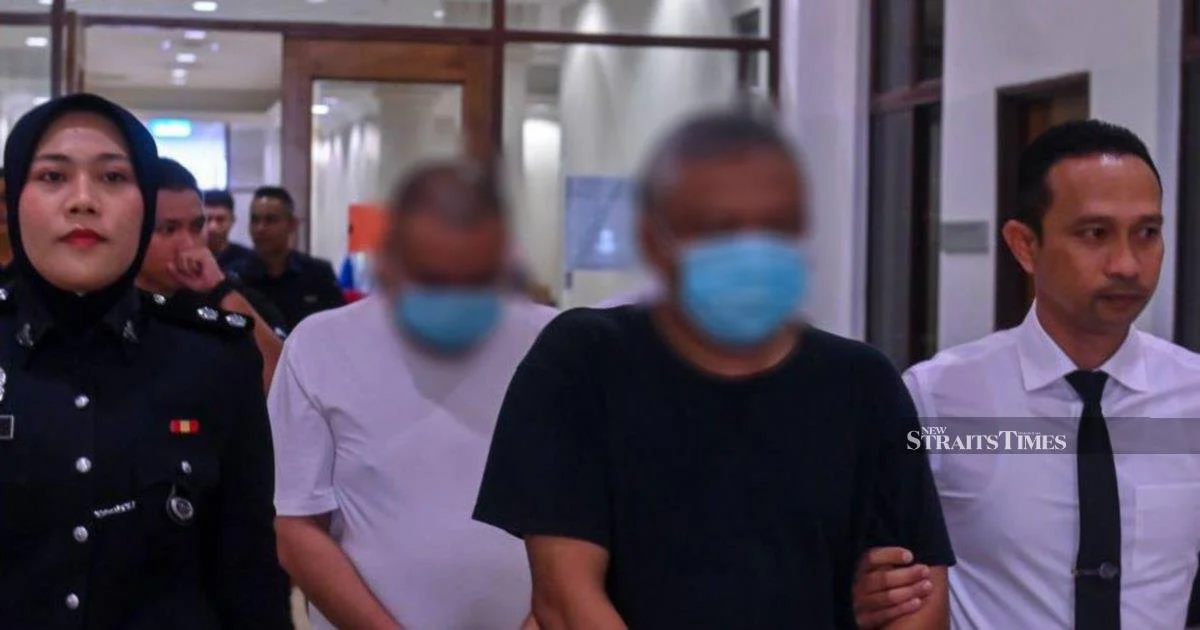
Police in Kuantan have arrested a businessman holding the Datuk title and his assistant following investigations into a fraud scheme centred on a falsified letter that bore the official coat of arms of the Tengku Mahkota of Pahang. The arrests mark another instance of attempted abuse of royal insignia for illicit purposes, a serious offence under Malaysian law that carries significant penalties for those found guilty of misrepresenting or counterfeiting symbols of state authority.
The detention of the Datuk-titled individual is particularly notable given that such titles, conferred through state honours systems, carry expectations of integrity and social responsibility. The misuse of a prestigious designation alongside forged royal documentation suggests a calculated attempt to lend false credibility to whatever transaction or claim the fraudulent letter was designed to support. Authorities typically treat such cases with particular gravity, as they represent not merely individual criminal acts but potential erosion of public confidence in both the honours system and royal institutions themselves.
The involvement of a second suspect, identified as the businessman's assistant, indicates a coordinated effort rather than an isolated incident. In fraud schemes of this nature, accomplices often play crucial roles in document reproduction, distribution, or execution of the underlying fraudulent scheme. The decision to charge both individuals suggests investigators found sufficient evidence to implicate the assistant in the planning or facilitation of the forgery.
Pahang, like other Malaysian states, maintains strict protocols governing the use of its royal insignia. The coat of arms of the Tengku Mahkota represents the authority and legitimacy of the state's royal institution and carries substantial symbolic weight within the constitutional framework. Forging or misusing such emblems constitutes a violation of the Penal Code and potentially breaches provisions of the Federal Constitution relating to contempt of royalty. This layering of legal violations underscores the seriousness with which authorities pursue such matters.
The circumstances surrounding how the forged letter was discovered and brought to police attention remain unclear from initial reports, but such cases typically emerge when recipients of suspicious correspondence verify documents through official channels. Businesses, government agencies, and institutions increasingly implement verification procedures specifically to intercept fraudulent documents purporting to carry official authority. The sophistication of modern printing technology means that forgeries can appear convincingly authentic, making verification by genuine authorities an essential safeguard.
For Malaysian readers and businesses, this case serves as a timely reminder of the risks posed by forged official documents. Scams involving counterfeit government or royal correspondence have targeted individuals and organisations across Southeast Asia with increasing frequency. The use of official insignia—whether from government ministries, state institutions, or royal bodies—represents a common tactic to bypass normal scepticism and extract money, secure unfair advantage, or facilitate other fraudulent transactions. This Kuantan case exemplifies how perpetrators attempt to weaponise the very symbols and institutions designed to provide security and legitimacy.
The Penal Code provides stiff penalties for forgery and related offences. Those convicted of forging government seals or documents can face substantial fines and imprisonment, with sentences potentially extending for multiple years depending on the seriousness of the fraud and the losses incurred. Additional charges may apply if the forged document was used to defraud specific victims, compounding the legal jeopardy faced by those arrested.
Investigations into such cases typically involve examination of physical documents, tracing the supply chain of materials and printing, reviewing financial transactions connected to the fraud, and interviewing witnesses or intended recipients of the forged correspondence. Digital forensics may play a role if electronic versions of the document were created or transmitted. The cooperation of royal institutions in documenting their legitimate seals and procedures assists investigators in establishing that documents are counterfeit.
This arrest underscores a broader concern about credential misuse in Malaysia's business environment. The Datuk title, while representing recognition of contributions to business or society, unfortunately can also be exploited by unscrupulous individuals seeking to enhance their perceived credibility in fraudulent schemes. Past cases have revealed instances where titled individuals engaged in financial fraud or other criminal activities, damaging the reputation of the honours system itself and prompting periodic calls for greater scrutiny in the conferment of such designations.
The case also highlights the importance of verifying official communications directly with issuing authorities rather than relying on documents presented by third parties. Government agencies, royal institutions, and legitimate businesses do not typically conduct sensitive transactions through unsolicited correspondence bearing official seals. Establishing direct contact with relevant authorities to confirm the authenticity of official-looking letters remains one of the most effective defences against document forgery schemes.
As investigations proceed in Kuantan, the outcomes will likely influence how similar cases are treated and how public institutions strengthen protocols to prevent misuse of their insignia. The case demonstrates that despite legal prohibitions and potential penalties, fraudsters continue to attempt such schemes—underscoring the need for sustained public awareness and vigilance among both individuals and organisations that might become targets of such deception.

