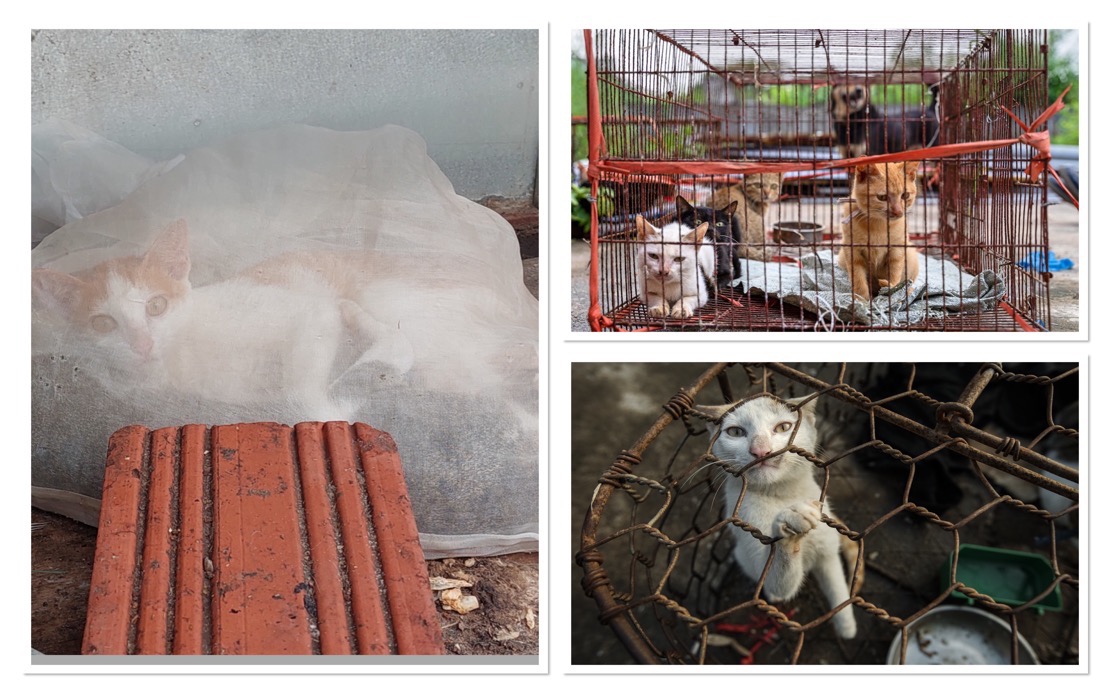
The clandestine slaughter of cats for meat remains deeply entrenched across parts of Indochina, sustained by centuries-old superstitions and cultural traditions that associate feline flesh with prosperity and healing powers. International animal welfare organisations have documented the scale of this brutal practice, estimating that Vietnam alone accounts for roughly one million cat deaths each year, while Cambodia and Laos see smaller but still significant numbers killed in rural communities where such beliefs remain particularly influential. The trade operates largely underground despite growing international pressure and decades of advocacy campaigns aimed at bringing the practice to an end.
Superstition stands at the heart of this persistent demand. In Vietnam specifically, consumers are drawn to cat meat by the belief that consumption during particular phases of the lunar calendar can reverse periods of misfortune or attract favourable circumstances. Some purchasers are convinced of supposed medicinal and health properties, seeking remedies for ailments through traditional practices passed down through generations. These cultural narratives, while increasingly questioned among younger urban populations, continue to motivate a steady market that sustains traffickers and slaughterers throughout the region.
The mechanics of the trade reveal a systematic process of theft and exploitation. Cats are routinely stolen from households and streets, then transported across provincial and even international borders to reach slaughterhouses and markets. A 2020 investigation by FOUR PAWS, a global animal protection organisation, documented that live cats fetched between US$6 and US$8 per kilogramme, while processed meat commanded US$10 to US$12 per kilogramme. Black cats commanded premium prices based on their supposed special luck-bringing or curative properties, creating economic incentives that perpetuate the cycle of capture and killing.
The resilience of this underground economy became evident in June when Ho Chi Minh City authorities uncovered a trafficking gang engaged in inter-provincial smuggling operations. Police rescued approximately 500 cats during the raid and detained nine gang members accused of stealing and selling cats over a three-year period, demonstrating both the scale and the organised nature of trafficking networks. Yet such enforcement actions remain sporadic and insufficient to disrupt an entrenched system that operates with minimal regulatory oversight.
A critical gap in legal frameworks enables the trade to continue largely unabated. Vietnam lacks comprehensive nationwide legislation banning the slaughter, sale, or consumption of cat meat, creating a regulatory vacuum that traffickers exploit freely. This legal ambiguity stands in stark contrast to public sentiment. Jon Rosen Bennett of FOUR PAWS notes that surveys reveal approximately 90 percent of Vietnamese respondents support a ban on both cat and dog meat trading, and similarly high proportions reject the notion that feline consumption represents authentic Vietnamese cultural practice.
The apparent disconnect between public opinion and continued enforcement gaps reflects a complex social reality where traditional practices persist despite broader societal shifts toward animal protection values. Urban populations and younger demographics increasingly reject superstitious justifications for the trade, yet rural communities and older generations maintain these beliefs. This generational and geographic divide means that education and awareness campaigns have reached significant portions of the population without translating into comprehensive legislative action.
Beyond the immediate animal welfare concerns, the cat meat trade poses serious public health risks that should resonate with policymakers across the region. The unregulated movement of live cats across borders creates conditions for disease transmission, particularly rabies and other zoonotic pathogens capable of crossing species barriers to human populations. Mass animal trafficking in conditions of extreme overcrowding facilitates rapid disease spread, potentially seeding outbreaks that extend far beyond the trafficking networks themselves. These epidemiological dangers argue for urgent regulatory intervention even from purely utilitarian public health perspectives.
Cambodia has begun responding to international pressure through awareness initiatives. In early June, FOUR PAWS launched an online reporting platform allowing the public to document suspected illegal trading activities. Such transparency mechanisms represent meaningful steps toward building enforcement capacity, yet their effectiveness depends on sustained institutional commitment and adequate investigative resources. Cambodia's initiative provides a potential model for neighbouring jurisdictions, though replication requires political will and sustained funding.
The broader Indochinese context reveals that cat meat trading represents merely one component of a larger wildlife and animal trafficking problem affecting the region. An estimated 10 million dogs face slaughter annually across Southeast Asia for meat consumption, though similar demographic shifts suggest declining social acceptance of dog meat consumption as well. These parallel trades indicate systemic weaknesses in enforcement capacity, inadequate legal frameworks, and persistent cultural holdovers that undermine modern animal welfare standards.
Malaysian readers should recognise that while cat meat consumption remains minimal in Malaysia, the underlying drivers of animal trafficking networks operate transnationally and pose genuine risks to regional stability. Cross-border trafficking creates security vulnerabilities and disease risks that affect all Southeast Asian nations. Malaysia's comparatively strong animal welfare frameworks and enforcement capacity position it potentially as a leader in promoting regional standards, potentially through ASEAN mechanisms or bilateral partnerships with neighbours undertaking reform efforts.
The persistence of the cat meat trade despite documented public opposition suggests that awareness campaigns alone prove insufficient without accompanying legislative action and enforcement infrastructure. Vietnam and other Indochinese nations must move beyond moral suasion toward binding legal protections with meaningful penalties and investigation capacity. International organisations like FOUR PAWS can facilitate knowledge transfer and technical support, yet ultimate responsibility rests with national governments to modernise their legal frameworks and prioritise enforcement.
The trajectory of this issue will likely be determined by generational change and urbanisation patterns. As younger, urban populations increasingly reject superstitious justifications and embrace international animal welfare norms, the market for cat meat should naturally contract. However, without proactive legislative intervention, the declining demand may simply reduce the trade's visibility without eliminating its most brutal aspects. Comprehensive bans, supported by public education emphasising the disconnect between traditional practices and contemporary values, offer the most direct path toward ending this persistent cruelty.

