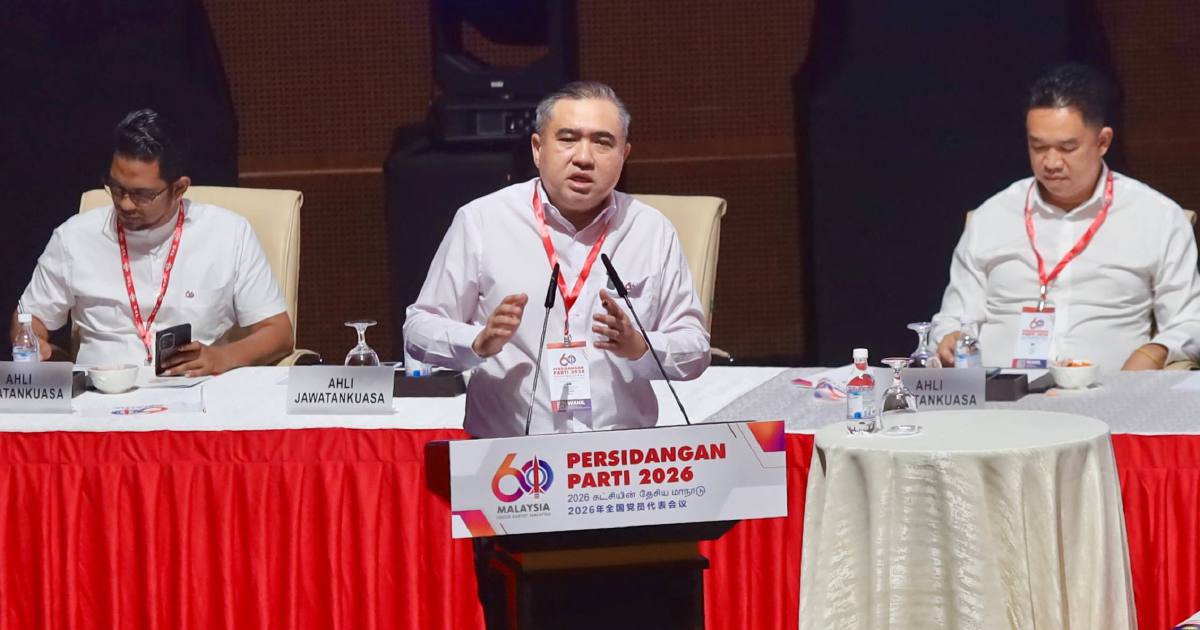
The Democratic Action Party has pledged unwavering backing for Prime Minister Datuk Seri Anwar Ibrahim's initiative to dismantle the Universities and University Colleges Act, signalling broad cross-party consensus on dismantling restrictions that have long constrained academic freedoms in Malaysia. The development, announced in Putrajaya, represents a significant moment in the government's reform agenda, with the opposition party publicly endorsing an administration proposal on one of higher education's most contentious pieces of legislation.
The AUKU, in force since 1971, has become emblematic of restrictions on university autonomy and student activism across Malaysia. The legislation prevents universities from engaging in partisan political activity and grants considerable authority to institutional leadership over student conduct, effectively limiting students' ability to organise independently or express political views on campus. For decades, education advocates and civil society organisations have criticised the Act for stifling intellectual discourse and preventing meaningful student participation in democratic processes, viewing these restrictions as anachronistic in contemporary Asia.
However, the DAP's endorsement comes with a crucial caveat: the party is simultaneously urging the administration to accelerate action on a broader package of outstanding commitments to educational transformation. This dual approach reflects the party's recognition that dismantling AUKU alone, while symbolically important, must be accompanied by systemic changes to create a genuinely liberalised higher education environment. The party's conditional support underscores the complex negotiations within Malaysia's ruling coalition around the pace and scope of institutional reform.
The timing of this announcement carries particular significance given ongoing debates about higher education quality and international competitiveness. Malaysian universities have experienced declining rankings on global indices in recent years, a trajectory many analysts attribute partly to brain drain and restrictions on academic expression. Universities across the region—from Thailand to Indonesia—have begun relaxing comparable restrictions, positioning themselves as more attractive destinations for both international students and faculty. The AUKU abolition could help Malaysia recalibrate its approach to remain competitive within Southeast Asia's increasingly dynamic education marketplace.
Democratically, the move addresses longstanding grievances among student movements and youth activists who have chafed against restrictions that appear excessive compared with peer democracies. Past decades have witnessed student demonstrations against AUKU provisions, most notably when authorities moved to suppress campus activism during electoral cycles. The abolition would represent acknowledgement that contemporary governance frameworks should accommodate legitimate political expression among the university-age population, particularly as Malaysia seeks to strengthen democratic institutions.
The DAP's insistence on complementary reforms suggests attention to implementation realities that should not be overlooked. Simply removing AUKU without establishing new regulatory frameworks could create institutional confusion, where universities operate without clear guidelines on student conduct, academic governance, or the balance between institutional autonomy and public accountability. The party appears to be advocating for a comprehensive legislative package rather than piecemeal deregulation, which would address operational gaps that bare repeal might create.
Moreover, the Malaysian context requires recognising that AUKU abolition intersects with broader conversations about institutional independence and government oversight in higher education. Universities remain heavily dependent on public funding, creating tension between autonomy aspirations and legitimate public interest in educational outcomes. The Pakatan Harapan coalition, which has championed various modernisation measures, must navigate these competing pressures carefully to ensure that expanded freedoms do not inadvertently compromise institutional stability or quality assurance mechanisms that protect student interests.
Regional comparisons illuminate both opportunities and cautions in this trajectory. Indonesia's more permissive university environment has enabled vibrant student movements and expanded academic discourse, yet has also presented governance challenges. Thailand's restrictions, by contrast, remain severe, creating a cautionary example of how excessive control becomes counterproductive. Malaysia's pathway should ideally extract lessons from both approaches, establishing guardrails that protect academic integrity while genuinely expanding intellectual space.
For Malaysia's academic community, the announcement signals potential transformation in how universities function as intellectual spaces. Faculty members have reported self-censorship and hesitation in exploring controversial topics, concerns that abolishing AUKU could meaningfully address. International scholars considering Malaysian positions would find a reformed landscape considerably more attractive, potentially reversing talent outflows that have weakened institutional research capacity over the past decade.
The implementation timeline remains unclear, though the cross-party backing suggests legislative passage may prove relatively uncontroversial. What remains uncertain is whether complementary administrative and regulatory reforms will accompany the legislative change, and whether universities possess institutional readiness to manage expanded freedoms responsibly. The DAP's emphasis on momentum for other promised reforms suggests the party views this as one component of a larger governance reset that Malaysia's higher education sector requires to function effectively as a driver of knowledge production and democratic participation.
Ultimately, this represents a critical juncture for Malaysian higher education. The convergence of international competitiveness pressures, domestic democratic expectations, and cross-party political consensus creates a genuine opportunity for transformative change. Whether policymakers translate this political momentum into coherent, comprehensive institutional reform that truly liberalises academic space while maintaining necessary accountability structures will determine whether this moment catalyses genuine educational transformation or becomes another incremental adjustment that leaves underlying structural challenges unresolved.

