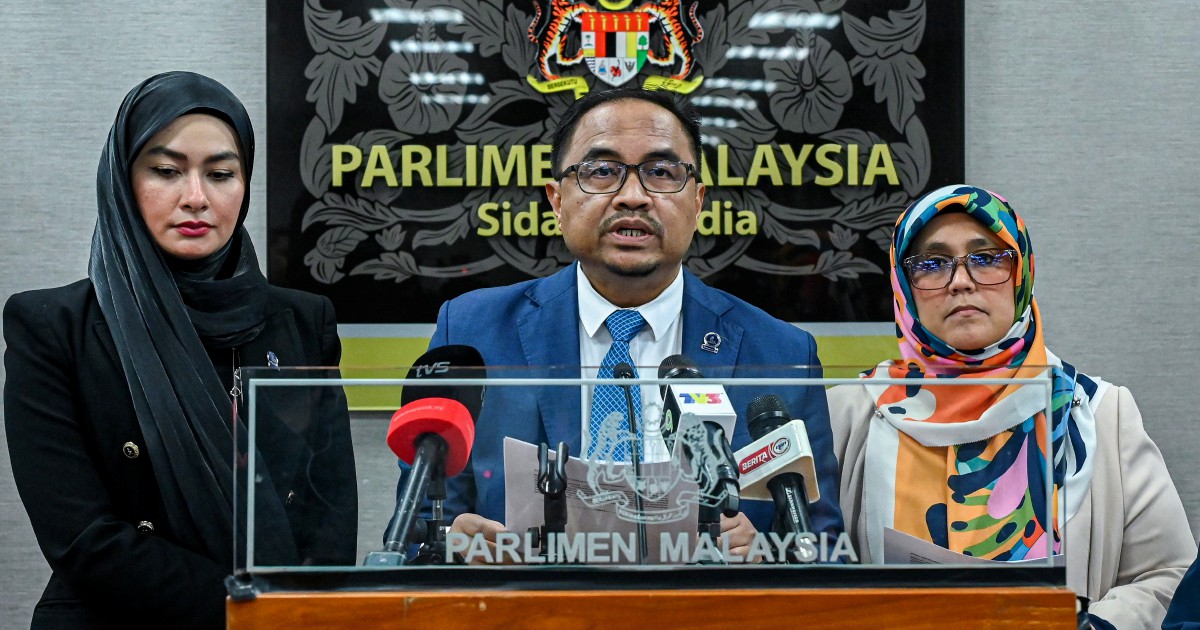
Bipartisan momentum is building within Parliament to fundamentally reshape Malaysia's electoral framework, with lawmakers from multiple parties coalescing around a reform agenda centred on preventing the misuse of state apparatus during campaign periods and fortifying the institutional independence of the Election Commission. The coalition's proposals represent a significant intervention in the contentious debate over campaign conduct, signalling growing concern among legislators that current safeguards remain insufficient to ensure fair competition between competing political interests.
The motion to ban government resources—encompassing everything from civil service personnel to state vehicles, facilities, and communications infrastructure—addresses a longstanding grievance in Malaysian electoral politics. Opposition parties and civil society observers have repeatedly documented instances where incumbent administrations have allegedly leveraged state machinery to campaign, creating an inherent asymmetry that disadvantages challengers without equivalent access to such resources. By codifying a prohibition into electoral law, the parliamentary group seeks to level the playing field and restore public confidence that elections are not predetermined by the structural advantages enjoyed by those controlling government apparatus.
The call for expanded Election Commission powers represents the legislative dimension of this reform momentum. Currently, the EC operates under constraints that critics argue limit its capacity to monitor, investigate, and sanction violations swiftly enough to deter misconduct during the intense campaign window. Strengthening the commission's enforcement toolkit—potentially through expanded investigative jurisdiction, authority to impose penalties without lengthy appeals processes, and clearer powers to intervene in real-time—could fundamentally alter the cost-benefit calculation for those contemplating violations. For Malaysian voters already sceptical of institutional oversight, enhanced EC authority may signal government commitment to impartial administration of electoral rules.
The timing of these calls is strategically significant given the approach of the 16th general election. Unlike previous electoral cycles where reform pressures often dissipated after polling day, the current push reflects sustained parliamentary engagement with electoral integrity issues. This suggests a degree of institutional consensus that Malaysia's election machinery requires recalibration, even among lawmakers who benefit from incumbent advantages. The cross-party nature of the coalition—rather than the usual opposition monopoly on reform calls—amplifies the moral and political weight of the proposals and complicates any government attempt to dismiss them as politically motivated.
For Southeast Asia's broader democratic trajectory, Malaysia's electoral reform conversation carries regional implications. The nation remains a relatively institutionalised democracy within the region, and its approach to campaign regulation and electoral governance influences how neighbouring countries conceptualise best practice. Thailand, Indonesia, and the Philippines all grapple with similar tensions between incumbent power advantages and competitive election integrity. Malaysia's willingness or reluctance to impose meaningful restraints on government machinery usage may thus set precedent for regional standards.
The practical implementation of any campaign finance ban would require substantial reworking of administrative procedures across government agencies. From the civil service commission to the postal service to state-owned enterprises, operational guidelines would need revision to establish clear prohibitions on resource allocation or personnel deployment for campaigning purposes. Enforcement would demand robust monitoring mechanisms and whistleblower protections to ensure compliance rather than mere circumvention of restrictions through informal channels. The administrative complexity explains why such reforms, despite periodic public support, have historically advanced incrementally rather than comprehensively.
Election Commission autonomy remains perhaps the most theoretically contentious aspect of the reform agenda. Malaysia's EC operates under a constitutional framework that vests considerable appointment and oversight authority in the executive branch. Meaningful expansion of EC enforcement powers would necessarily entail some recalibration of this executive dominance, a shift that incumbent administrations have historically resisted. Any reform package therefore hinges on political willingness to accept reduced executive leverage over electoral administration—a concession that becomes more politically viable when cross-party consensus signals that all parties anticipate alternating through power.
Civil society organisations and anti-corruption watchdogs have long documented how incumbent parties mobilise state resources—from advertising to personnel to infrastructure—to campaign advantage. By translating these observations into parliamentary reform proposals, the cross-party group converts academic critique into concrete legislative agenda. This represents an important institutional pathway through which empirical evidence about electoral conduct shapes formal rules and enforcement structures.
The window for implementing these reforms before GE16 remains narrow but potentially adequate if parliamentary goodwill translates into expedited legislative action. Whether the ruling coalition proves willing to constrain its own access to government machinery will ultimately determine whether these calls materialise into binding law or remain aspirational political rhetoric. For Malaysian voters and democratic observers throughout Southeast Asia, the answer will signal whether institutional commitment to electoral fairness extends beyond rhetoric to structural restraint.

