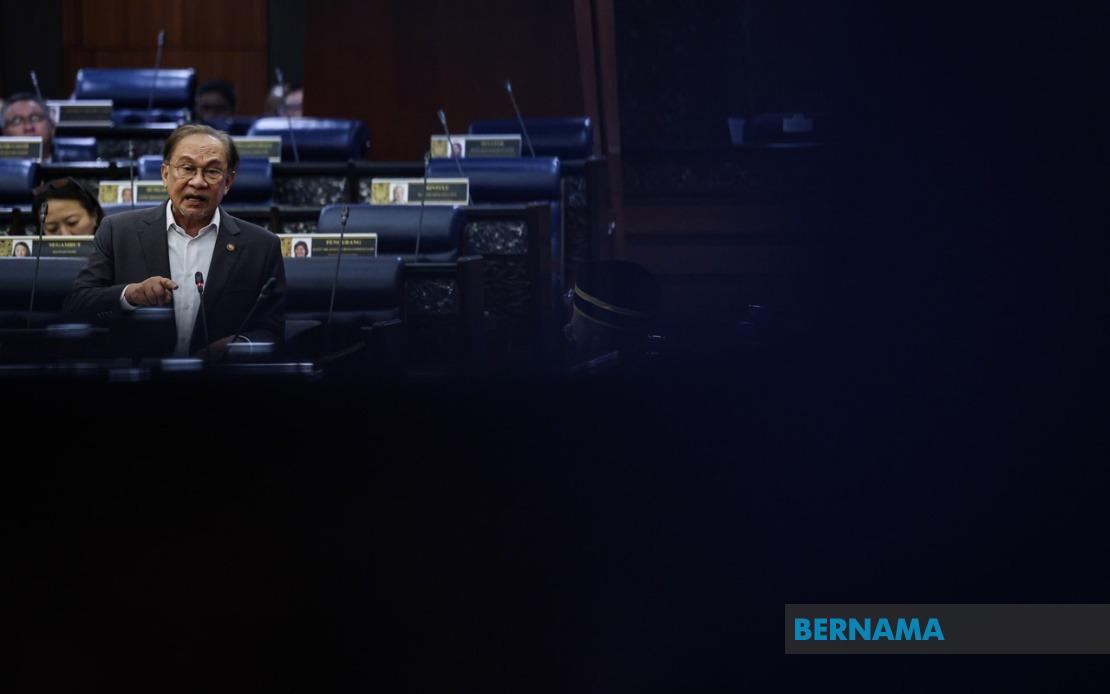
Prime Minister Datuk Seri Anwar Ibrahim has announced a significant procedural shift in how complaints against journalists are handled, establishing the Malaysian Media Council as a mandatory first checkpoint before any investigative action or prosecution can proceed. Speaking during Minister's Question Time in the Dewan Rakyat on July 7, Anwar emphasised that the new mechanism exists to safeguard media practitioners from being hastily dragged into legal proceedings merely because a government agency feels aggrieved by critical reporting.
The Prime Minister's statement addresses long-standing concerns within Malaysia's media landscape regarding the potential misuse of broad legislative provisions. Laws such as the Sedition Act 1948 and the Official Secrets Act 1972 have historically served as tools through which authorities could pursue journalists, creating a chilling effect on investigative reporting and political commentary. By interposing the Malaysian Media Council as an institutional gatekeeper, the government signals an intent to establish more measured, transparent procedures that distinguish between legitimate public interest journalism and genuine misconduct warranting legal intervention.
Understanding the rationale behind this mechanism requires examining the tension between press accountability and press freedom. Anwar acknowledged that no democratic system grants absolute immunity to journalists, and that media practitioners, like all citizens, remain bound by the laws of the land. However, he drew a critical distinction between proper accountability mechanisms and the arbitrary weaponisation of legal statutes against journalists whose reporting simply displeases those in power. The establishment of an independent review process before formal investigation signals recognition that institutional safeguards are necessary to prevent government departments from using the criminal justice system as a silencing mechanism.
The Malaysian Media Council, positioned as the primary reviewer, carries significant responsibility in this newly articulated framework. The council must now evaluate whether complaints merit escalation to investigative or prosecutorial authorities. This creates a buffer that theoretically prevents frivolous or politically motivated complaints from consuming investigative resources and subjecting journalists to the stress and expense of legal proceedings. For Malaysian newsrooms, particularly smaller organisations with limited legal capacity, this protective layer is substantive, as it reduces exposure to costly litigation initiated on thin grounds.
The timing of Anwar's clarification reflects broader regional and international discussions about press freedom in Southeast Asia. Malaysia has faced periodic criticism from international press freedom organisations regarding laws that permit the prosecution of journalists. While the government cannot simply repeal statutes like the Sedition Act without parliamentary consensus, establishing procedural guardrails represents a pragmatic step toward recalibrating the balance between state prerogatives and journalistic autonomy. Other ASEAN nations grappling with similar tensions may observe how Malaysia's institutional approach functions in practice.
Respondent Datuk Mohd Isam Mohd Isa from Tampin had raised questions about the government's position on legal frameworks that allow journalist prosecution. His query likely reflected concerns held by media advocates and civil society organisations that have questioned whether laws ostensibly designed for national security or public order purposes are proportionately applied. Anwar's response, while not dismantling problematic legislation, provides assurance that enforcement will be mediated through an independent institutional channel rather than occurring through direct government action.
Practically speaking, the Malaysian Media Council mechanism introduces procedural complexity that may discourage complainants motivated by partisanship rather than legitimate grievance. If every complaint requires council review before reaching investigative authorities, the process becomes more transparent and subjects decisions to external scrutiny. Media organisations can participate in council proceedings, present evidence of newsworthiness, and demonstrate legitimate public interest justifications for their reporting. This contrasts with scenarios where journalists might face investigation without opportunity for institutional review of whether complaints have merit.
The statement also carries implications for how journalists conduct their work across Malaysia. Knowing that a complaint-based mechanism exists and that automatic investigation will not follow every allegation may provide psychological reassurance that enables bolder reporting on matters of genuine public interest. Conversely, journalists must understand that the council's existence does not confer absolute immunity; rather, it establishes a fairer process for evaluating whether complaints warrant escalation. Editorial standards remain important, and journalists should continue exercising due diligence in verification and sourcing.
For the Malaysian media industry, this institutional innovation suggests recognition that self-regulation and independent oversight function more effectively than state-driven prosecution in maintaining journalistic standards. The council model acknowledges that media accountability need not flow exclusively through criminal justice channels. This potentially reduces the politicisation of complaints, as the council can apply consistent standards rather than responding to ministerial pressure or partisan interests.
Perhaps the most significant implication concerns the precedent being established for government-media relations under Anwar's administration. By positioning himself as supporting institutional safeguards for journalists while maintaining that legal boundaries exist, the Prime Minister articulates a framework that aspires toward democratic norms without abandoning state prerogatives entirely. Whether this approach will effectively prevent abuse of sedition and secrecy legislation will depend substantially on the Malaysian Media Council's independence, competence, and willingness to defend journalists against frivolous complaints.
Moving forward, journalists and news organisations should familiarise themselves with the Malaysian Media Council's procedures, understand their rights within the new framework, and maintain rigorous editorial standards. The council's actual performance in protecting journalists will ultimately determine whether this mechanism represents meaningful progress toward press freedom or merely creates an additional layer of scrutiny without substantive protection. International media freedom advocates will likely monitor outcomes closely as Malaysia navigates implementation of this new procedural approach.

