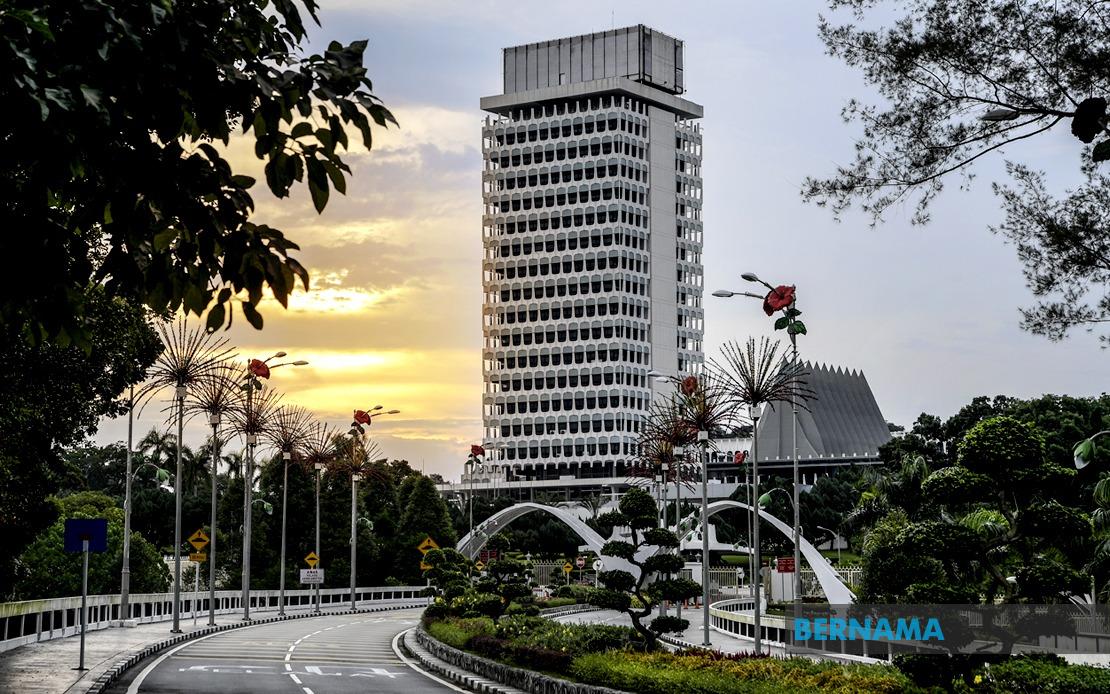
A coalition of 44 civil society organisations and 25 individuals has launched a public appeal for Malaysia's 15th Parliament to remain in session until its constitutional expiration on December 18, 2027, citing the urgent need for comprehensive democratic and institutional reforms. The groups, including prominent organisations such as Bersih, ABIM, C4 Center, and IDEAS, argue that political stability over the coming years is essential to enact meaningful changes that would benefit the nation's democratic framework and governance systems. Their joint statement represents a significant push from the civil society sector to encourage political consensus around long-term institutional development rather than short-term electoral calculations.
The proposed reforms outline an ambitious agenda that would fundamentally reshape Malaysia's constitutional architecture and governance structures. Central to their recommendations is the separation of the Attorney General's office from the Public Prosecutor, a structural change designed to enhance judicial independence and reduce opportunities for political interference in legal proceedings. The coalition also advocates for introducing a ten-year term limit on the Prime Minister's office, a constitutional amendment that would establish clear succession planning mechanisms and prevent excessive concentration of executive power. These constitutional changes reflect global best practices observed in established democracies and would require cross-party consensus to achieve the necessary parliamentary majorities.
Beyond constitutional amendments, the civil society groups are pushing for the creation of two major pieces of legislation currently absent from Malaysia's legal framework. An Ombudsman Act would establish an independent authority to investigate complaints against government agencies and public officials, providing citizens with a formal recourse mechanism outside the traditional bureaucratic hierarchy. The Freedom of Information Act represents an equally significant proposal, designed to enhance government transparency and enable public scrutiny of decision-making processes. Both initiatives reflect international standards for democratic accountability and have become increasingly important in Southeast Asia as citizens demand greater visibility into how public institutions operate and allocate resources.
The coalition's emphasis on electoral equity and representation addresses long-standing grievances about how government resources are distributed and how constituencies are represented. Their proposal to mandate equitable distribution of constituency development allocations among all Members of Parliament regardless of party affiliation would fundamentally alter political incentive structures, ensuring that opposition representatives can advocate effectively for their constituents without financial disadvantage. Similarly, proposed amendments to the Election Offences Act 1954 and the expansion of postal voting for overseas Malaysians and those outside their home states would modernise electoral participation mechanisms and reduce geographical barriers to voting, issues of particular concern to Malaysian diaspora communities and mobile populations.
Enhancing parliamentary institutional capacity constitutes another key pillar of the reform agenda. Strengthening Parliamentary committees would distribute legislative oversight responsibilities more broadly, reducing executive dominance and enabling more rigorous scrutiny of government policies and budgets. The proposal to streamline budget drafting and review processes aims to make fiscal planning more transparent and responsive to parliamentary input. Perhaps most notably, the coalition calls for expanded pathways for Private Members' Bills, legislation proposed by individual parliamentarians rather than the government, which would democratise the legislative process and allow diverse voices to shape the nation's laws. These structural changes would require significant cultural shifts within the institution but could fundamentally enhance Parliament's role as a counterweight to executive power.
The civil society groups have specifically urged Prime Minister Datuk Seri Anwar Ibrahim to convene a comprehensive cross-party leaders' summit bringing together representatives from all government and opposition parties represented in Parliament. This proposal seeks to create a deliberative space where political actors could commit to a shared reform agenda transcending partisan competition. Such a summit would represent an unusual exercise in political consensus-building in Malaysia's adversarial parliamentary system, where majority and opposition blocs typically maintain rigid separation. The emphasis on all coalitions and political parties endorsing these reforms reflects the coalition's recognition that institutional changes will only endure if they command broad political support across ideological and partisan divides.
The proposed electoral reforms at the state level represent another ambitious frontier for democratisation. The coalition recommends introducing party-list proportional representation for state assemblymen alongside the existing first-past-the-post system, a hybrid electoral approach that would increase representativeness while maintaining geographic accountability. More significantly, these electoral mechanism changes would necessarily increase parliamentary diversity by creating space for women, youth, Orang Asli, and other marginalised communities whose representation has traditionally remained limited under pure first-past-the-post arrangements. For Malaysia's regional standing, such reforms would align the country with regional peers in Southeast Asia that have experimented with proportional elements and gender quotas, positioning Malaysia as a regional leader in democratic modernisation.
The coalition's call for all 13 state governments to enact complementary legislation requiring transparent and equitable development allocations across all assemblymen acknowledges that democratic reform cannot be confined to federal institutions. State assemblies control substantial budgets and directly interface with constituency-level governance, making them critical sites for implementing accountability and equity principles. By expanding the reform agenda to encompass all levels of government, the civil society groups demonstrate sophisticated understanding of how Malaysia's federal structure distributes power and resources. This state-level focus also recognises that some states have historically shown greater willingness to experiment with governance innovations, potentially creating laboratories for democratic reform.
Additionally, the coalition proposes that federal and state governments establish transparent protocols for announcing parliamentary or state assembly dissolution in advance if they do not intend to serve their full constitutional terms. This seemingly procedural recommendation addresses a significant institutional gap that has repeatedly disrupted Malaysian political calendars. Advance notice would enable the Election Commission to conduct thorough preparations, law enforcement agencies to deploy resources appropriately, civil servants to manage transition planning, and voters to organise their participation in elections. Beyond administrative efficiency, this transparency requirement would constrain the strategic deployment of sudden dissolution as a political tactic, potentially reducing voter cynicism about political manipulation and creating more predictable political calendars.
The breadth of organisations endorsing this call—ranging from Projek SAMA and Angkatan Belia Islam Malaysia to the Kuala Lumpur and Selangor Chinese Assembly Hall—illustrates remarkable coalition-building across ideological and communal lines within Malaysia's civil society sector. This diversity suggests that democratic reform resonates beyond particular partisan or sectarian constituencies, tapping into more universal concerns about accountability, representation, and institutional stability. For Malaysian readers, the joint statement represents an unusual moment of civil society consensus at a time of considerable political fragmentation, potentially influencing how subsequent governments approach institutional questions.
The practical prospects for implementing this comprehensive reform agenda remain uncertain, however, and will depend substantially on whether the coalition's appeal persuades political leaders to prioritise institutional development over short-term electoral advantage. The December 2027 expiration of the 15th Parliament provides a natural deadline, but achieving the proposed constitutional and legislative changes would require unusual cross-party cooperation and sustained political will. Nevertheless, the coalition's articulation of this reform blueprint establishes a reference point for civil society advocacy and provides a concrete template against which future governments can be evaluated on their commitment to democratic institutional development. For Malaysia's trajectory as a democracy, the success or failure of efforts to advance these recommendations may shape the nation's governance quality for decades to come.

