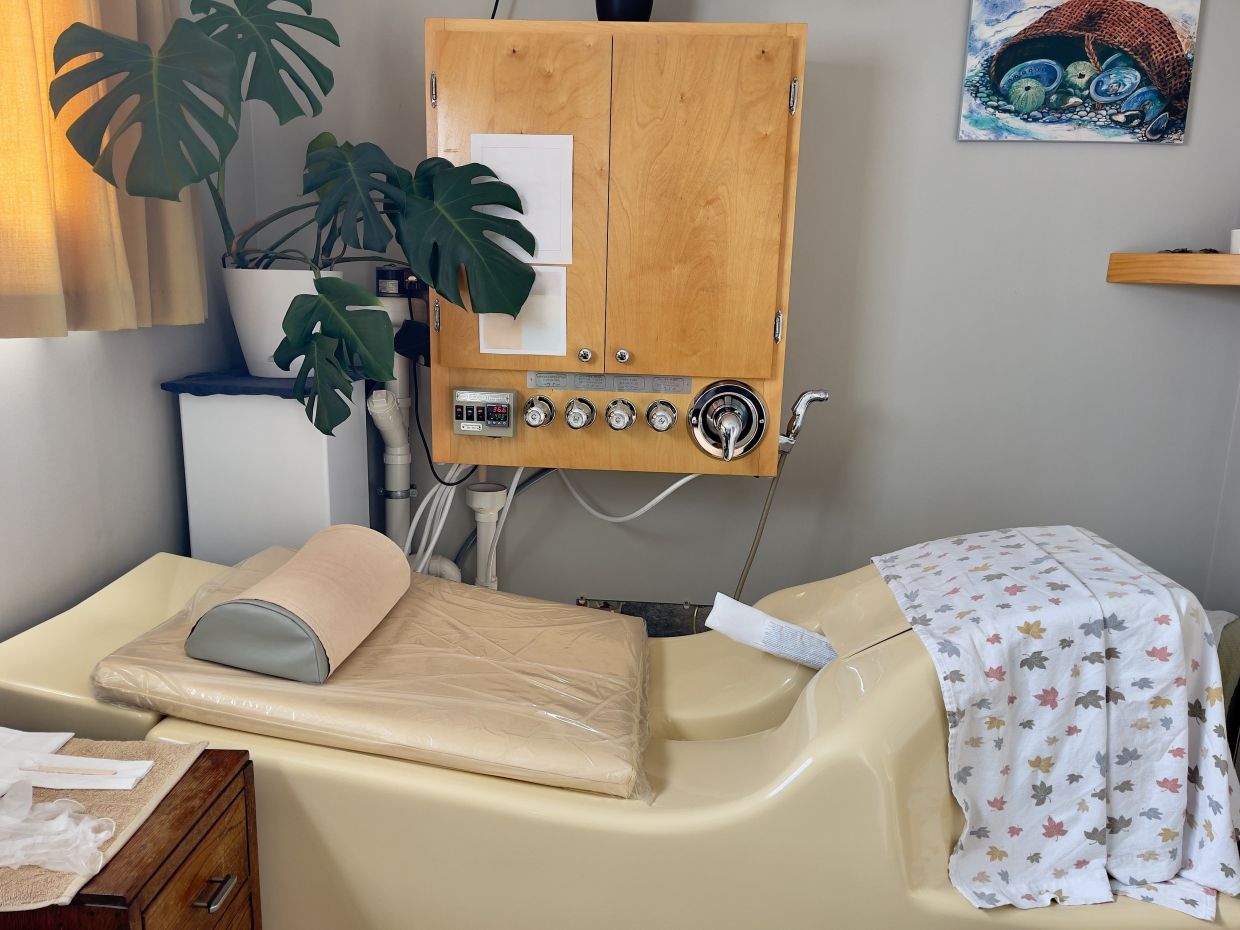
An elaborate deception operation spanning multiple health centres across Beijing has left more than 100 elderly people financially devastated, collectively losing over 10 million yuan (US$1.5 million) to a scheme that exploited their health anxieties and emotional vulnerabilities. Police in China's capital have arrested more than 30 suspects in connection with the fraud, which came to light when the family of a 60-year-old woman discovered she had spent an astounding 700,000 yuan (US$103,000) at a single facility.
The scam's ingenious mechanics relied on a deceptively simple method to create the illusion of physical toxins being expelled from the body. Staff at these fraudulent clinics would conduct intestinal cleansing procedures and secretly add dark soy sauce—a common Chinese cooking ingredient—to the liquid, creating the false impression that patients were expelling dangerous toxins accumulated in their systems. This visual "evidence" proved psychologically powerful in convincing vulnerable seniors that they suffered from serious health conditions requiring prolonged, expensive treatment.
The criminal network operated with calculated sophistication, identifying and targeting their victims with precision. Police investigations revealed that operators specifically sought out affluent older adults living alone or those experiencing emotional isolation despite having family members. The predatory approach began innocuously: staff would frequent senior centres and public gathering places, offering free "expert" medical consultations. These fake practitioners would then diagnose the seniors with various ailments, recommending extended treatment programmes at tens of thousands of yuan per session.
The psychological manipulation extended beyond medical deception. Staff employed emotional grooming tactics, cultivating relationships with clients by remembering birthdays and expressing care that often exceeded what seniors received from their actual families. This manufactured intimacy created dependency and trust, making victims more susceptible to financial requests. In one particularly callous instance, when a patient had exhausted her savings and attempted to discontinue treatment, clinic staff pressured her to pawn her gold bracelet, callously suggesting that health took priority over possessions.
One victim's trajectory illustrates the predatory escalation pattern. A woman initially visited a health centre merely to purchase a modest 38-yuan (US$6) foot massage voucher. From this humble beginning, staff cultivated her into a long-term client, eventually extracting over two million yuan (US$295,000) from her. Her experience represents the upper extreme, though more than 100 seniors fell victim to varying degrees of financial exploitation through this network.
The scale of the criminal operation proved far more extensive than initially apparent. Police discovered that the fraudulent health centres operated at least 20 storefronts across multiple Beijing districts, creating a coordinated network rather than isolated incidents. The organisation's financial reach was substantial—police disclosed that the health centre's total turnover exceeded 30 million yuan (US$4.5 million), an unusually inflated figure for legitimate clinics of this type, indicating the systematic nature of wealth extraction.
China's demographic landscape has created conditions ripe for such exploitation. As of the end of 2025, the nation counted 323 million citizens aged 60 and above, representing 23 per cent of the total population. Within this elderly demographic, a striking 60 per cent are classified as empty-nesters—individuals either without children or whose adult children live separately. This isolation, combined with fixed incomes and accumulated savings, renders many older adults financially attractive targets for organised fraud schemes.
The intersection of demographic vulnerability and commercial predation reflects broader social anxieties in contemporary China. Many affluent seniors, having accumulated resources over lifetimes of work, face the psychological challenge of decreased social engagement and reduced family contact. Health concerns naturally intensify with age, yet the isolation many experience leaves them without trusted advisors to validate or challenge medical claims. The soy sauce scam exploited this vacuum precisely, offering not merely medical treatment but the emotional warmth and attentiveness that lonely seniors desperately craved.
Industry observers have sounded alarms about the broader ecosystem enabling such fraud. The proliferation of unregulated health centres offering miracle treatments and free consultations continues despite repeated scandals. These establishments often operate in regulatory grey zones, lacking proper medical credentials or oversight mechanisms. Industry commentators have emphasised that urgent regulatory intervention is necessary to prevent similar large-scale victimisation, particularly as China's elderly population continues expanding and economic inequality potentially widens vulnerabilities among older residents living on fixed incomes.
The case underscores how sophisticated organised crime can leverage psychological and social vulnerabilities alongside basic deception. Unlike crude schemes relying solely on false promises, this operation weaponised emotional needs, creating relationships that clouded judgment and enabled progressive financial extraction. The perpetrators demonstrated understanding of gerontology—specifically how isolation, health anxiety, and the desire for meaningful human connection create psychological conditions favouring continued victimisation even after initial fraud becomes apparent.
For Southeast Asian readers, particularly in nations with rapidly ageing populations including Malaysia, the Beijing case offers cautionary lessons about healthcare fraud and elder abuse. Similar schemes targeting older citizens through fake medical treatments have emerged across the region, often capitalising on language barriers and cultural disparities between seniors and healthcare providers. The case highlights how organised criminal networks recognise elderly populations as profitable targets, employing sophisticated psychological manipulation rather than simple deception.
Regulatory responses require multi-layered approaches extending beyond arrests of individual perpetrators. Effective prevention demands strengthening healthcare oversight mechanisms, implementing stricter licensing requirements for wellness facilities, establishing senior citizen fraud hotlines, and crucially, addressing the social isolation that makes older adults vulnerable. Educational campaigns targeting elderly residents about common fraud techniques, combined with family engagement programmes encouraging regular contact and financial oversight, may reduce both the appeal of fraudulent clinics and the isolation they exploit.
%22%2F%3E%3C%2Fpattern%3E%3C%2Fdefs%3E%3Crect%20width%3D%22100%25%22%20height%3D%22100%25%22%20fill%3D%22url(%23ph5sjydg)%22%2F%3E%3Crect%20width%3D%22100%25%22%20height%3D%22100%25%22%20fill%3D%22url(%23ph5sjydp)%22%2F%3E%3Ctext%20x%3D%2250%25%22%20y%3D%2250%25%22%20text-anchor%3D%22middle%22%20dominant-baseline%3D%22central%22%20fill%3D%22rgba(255%2C255%2C255%2C0.95)%22%20font-family%3D%22Georgia%2C%20'Times%20New%20Roman'%2C%20serif%22%20font-weight%3D%22700%22%20font-size%3D%22226%22%20letter-spacing%3D%22-0.02em%22%3EFormer%3C%2Ftext%3E%3C%2Fsvg%3E)